Free Automotive Repair Advice by Certified ASE Technicians
How Does it Work /
Engine Backfire
What is a Backfire?
There are typically two kinds of engine backfires, one is generated from the
intake manifold of the engine, the second is expelled from the exhaust pipe at the
rear of the car. A backfire is an explosion of sorts in the intake
manifold or the exhaust system. A backfire occurs when there is an imbalance in
the air to fuel ratio required for your vehicle to operate properly. If the
fuel mixture is too lean (not enough fuel) you may have a backfire in the intake, or too rich (too
much fuel) you may get a backfire out of the exhaust system. Most backfires are easily repaired
by correcting the imbalance and providing a greater or lesser percentage
of fuel to the mixture.
Common Problems and Solutions
Most causes of backfires in the exhaust system can be addressed by troubleshooting the
reason for the air to fuel ratio imbalance. The solution
usually involves checking for vacuum leaks, changing the airflow sensor, oxygen
sensor, or
fuel filter
to ensure the fuel mixture system is functioning properly.
A common backfire situation occurs when there is a small leak in the air injection
system that feeds the exhaust system. This can cause unburned fuel to explode suddenly.
One of the most common causes is a stuck or faulty air intake or
gulp valve near the exhaust manifold.
Backfiring can also occur with a sudden drop in fuel
pressure. This may be due to a faulty fuel pump or a plugged
fuel filter.
Correcting problems in the fuel system usually resolves these issues.
Incorrect ignition timing to the spark plugs is another cause of backfire. Adjusting the ignition distributor,
if the engine is so equipped, may resolve this problem.
Adjusting engine timing is not difficult and can be done with a timing light
by following the timing adjustment procedure for your car. If you do
not know your car's ignition timing procedure please visit our
car repair manual
page. A vehicle that is not timed properly will not idle, run or operate correctly
and will often backfire rapidly. On newer cars you will need to
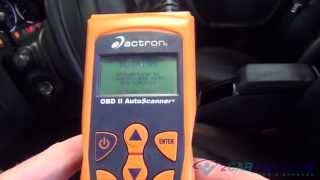
scan the pcm to check for CKS
(crankshaft angle sensor) related trouble codes.
Maintenance
To prevent backfires there are several things you can do:
Change
the fuel filter as needed, the fuel filter is a vital part of your fuel system
and can cause a backfire(s) if the filter is clogged and not changed regularly.
A bad fuel filter can cause low fuel pressure creating a perfect situation for a
backfire to occur. Changing the filter is simple and can save gas with improved
performance of your vehicle's engine reducing the occurrence of backfires.
Tune up and service
your fuel injection system to follow the maintenance schedule for your particular
car. This ensures correct fuel consumption with the correct amount of emissions.
Fuel that is not burned completely will leave ample opportunity for a backfire to
occur. These maintenance requirements are associated with other systems on your
vehicle. Avoiding maintenance on your car can increase the risk of backfiring and
other system malfunctions.
How Does it Work
/ Engine Backfire
Check Manufacturer Specific Engine
Backfire Questions and Answers
Related Subjects
Got a Car Repair Question
we will answer it for FREE!
GET A
REPAIR MANUAL
FOR YOUR CAR. Get instant access to your vehicles drive belt routing, wiring
diagrams, trouble code information and other available updates and factory bulletins.
|