Jump Start Battery Using Jumper Cables
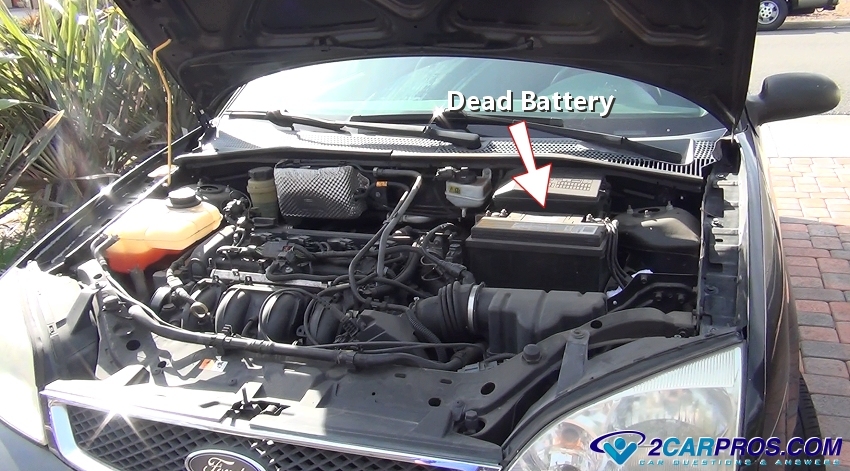
When a battery is dead and needs
a charge a jump start is needed to troubleshoot the reason the
battery went dead. A dead battery
condition can range from a car door left open to the
headlights being left on
overnight. Low battery voltage is a common car problem. As a battery ages it can
lose the ability to store electricity resulting in an insufficient flow of electrical
energy to the starter.
The starter is designed to operate on a high amperage 12 volt system, when a starter
is subjected to low voltage or amperage (flow) it will cause the starter to not
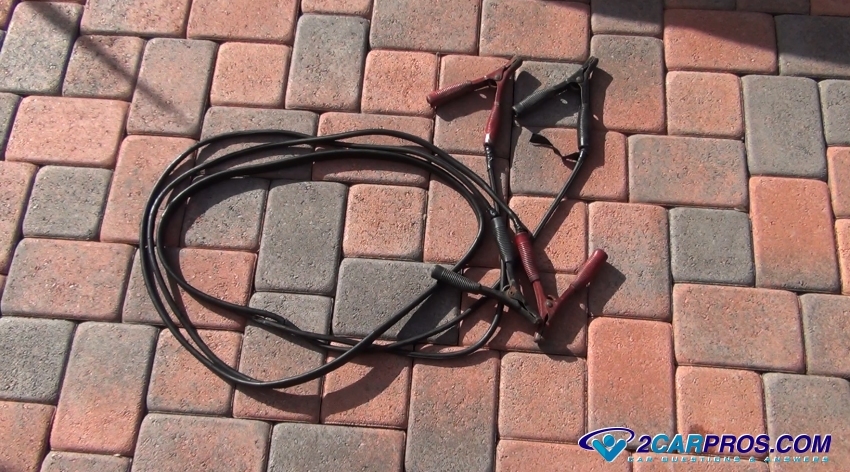
operate. To jump start your car battery use a good quality jumper cable set. Inexpensive
cables do not work as well because a higher gauge wire (smaller diameter) is used
in the construction restricting the current flow from battery to battery.

Battery Jumper Cables Battery Jumper Cable Instructions Step 1 - Park the car that will be used as the jumper vehicle near enough for the jumper cables to reach to the front of the car that is going to be jumped, and shut off engine. (or were the battery is located, most vehicles are located in the front, under the hood)
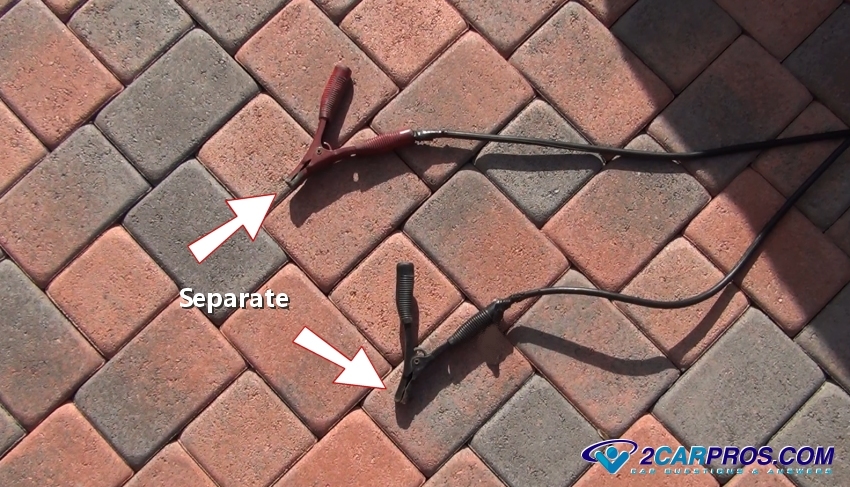
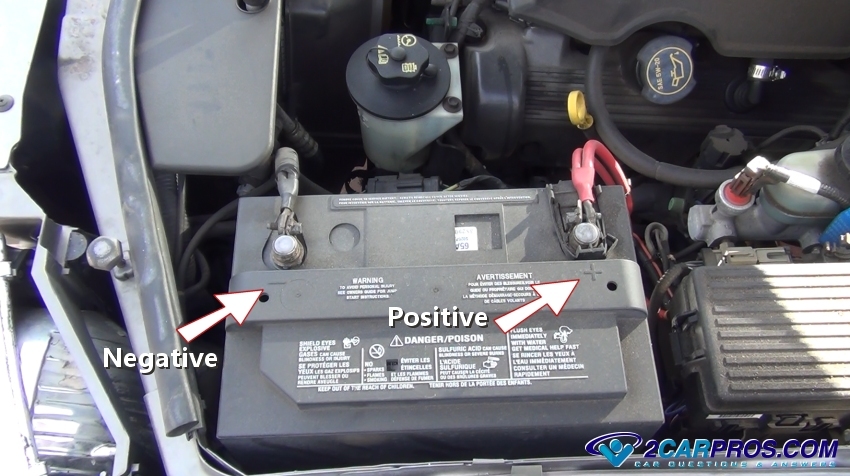
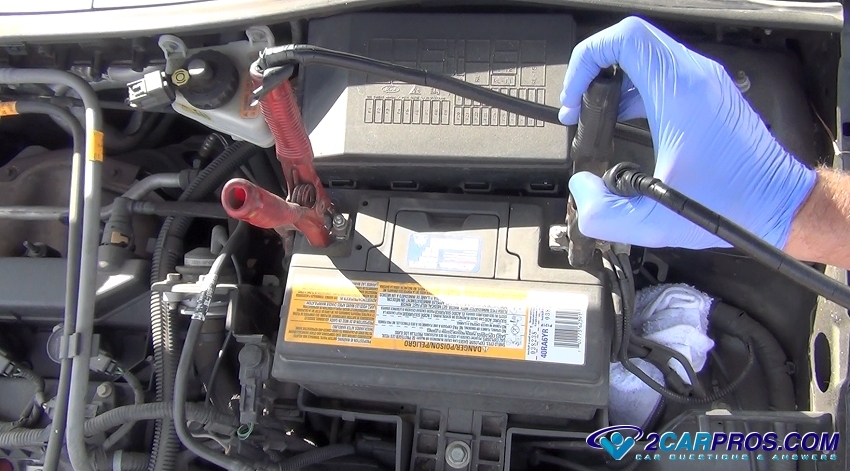
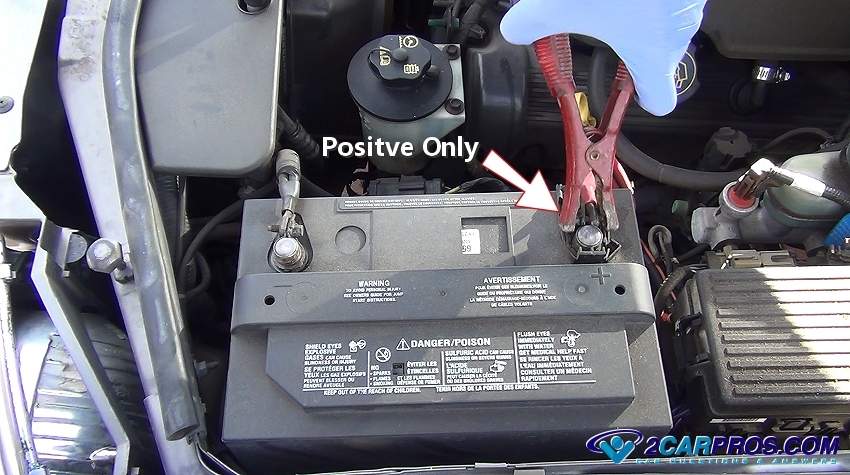
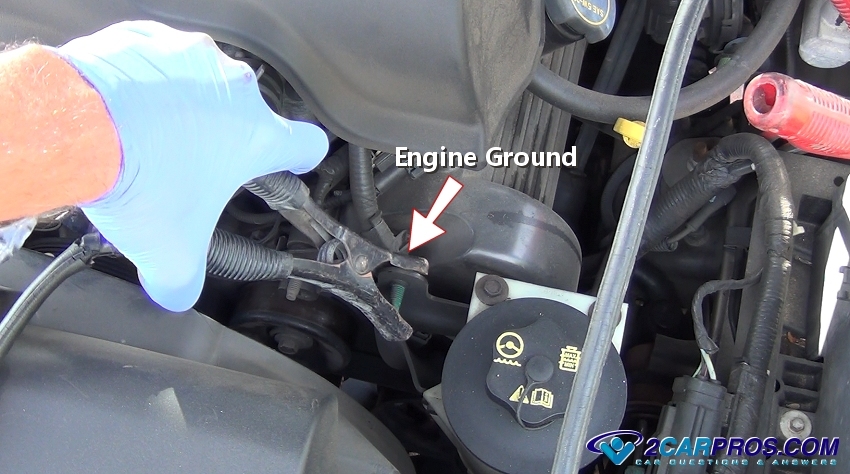
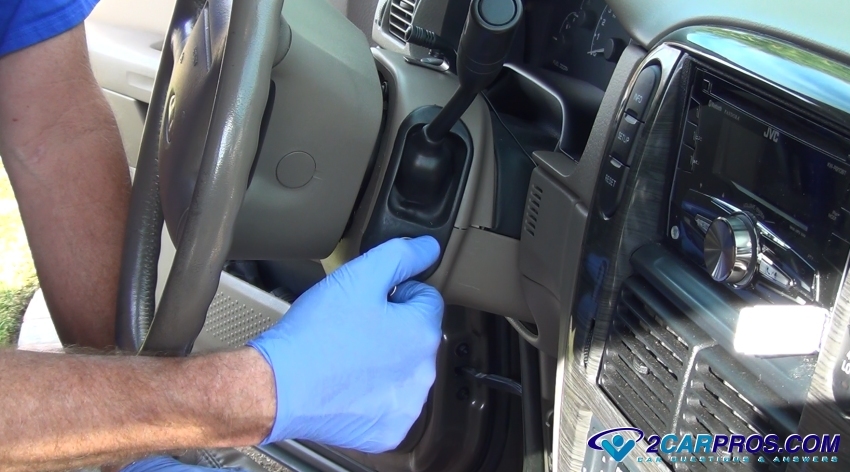
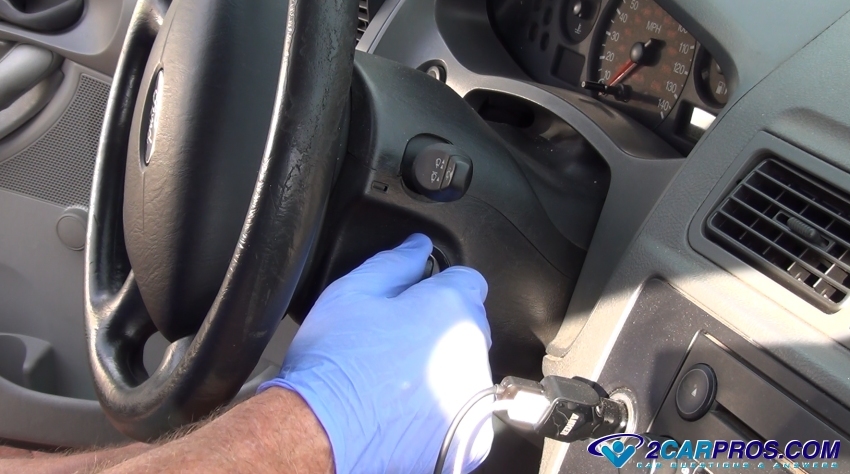
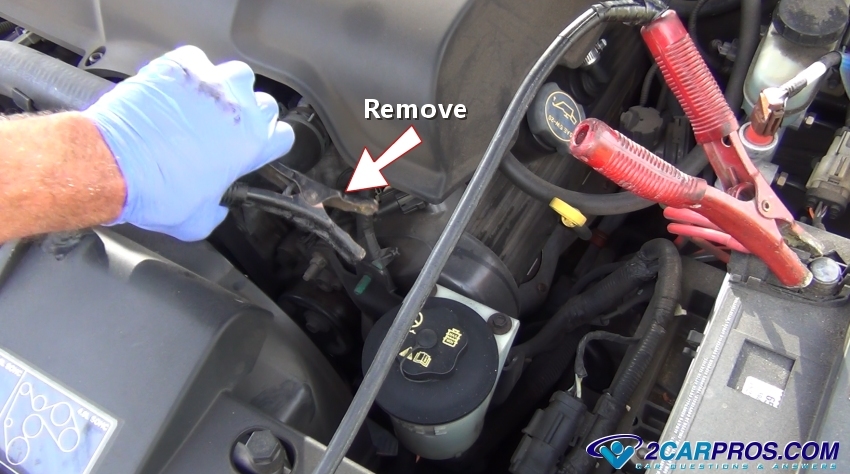
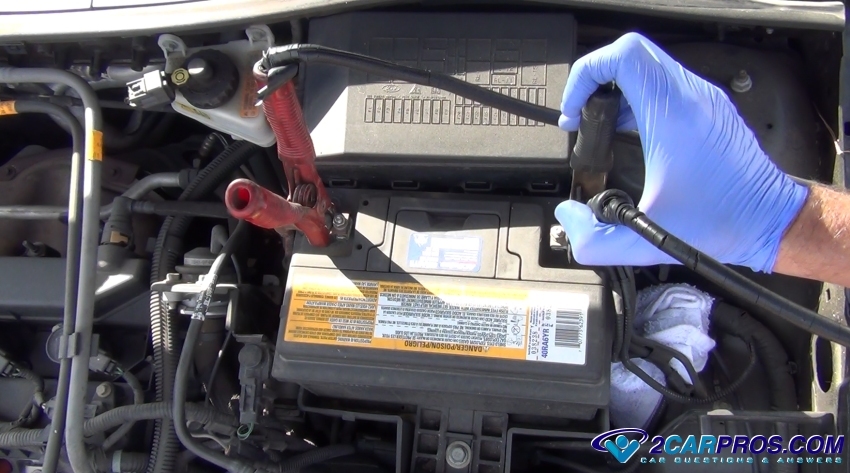
Step 2 - With the engine off open the hood on both cars and connect the red jumper cable connector on the positive (+ red) side of the battery of the car that has the dead battery. Once the jumper cable end is attached slightly wiggle the jumper connector back and forth to assure a good electrical connection. Next repeat this procedure to the battery in the jumper car so both red jumper cables are connected to their respective batteries. (Do not allow the black and red cable ends to connect at anytime) Step 3 - Then attach the black connector of the jumper cables to the negative (- black) terminal of the car with the dead battery. Next, attach the remaining black jumper cable connector to an engine accessory bracket such as an alternator or air conditioner compressor mount away from the engine serpentine belt system. The reason we do not connect the last connector at the negative battery terminal is to avoid sparks at the battery. Sparks on or near the battery can cause the battery to explode. While explosions are rare they will more likely occur to a battery that is low on charge or a battery that has just been charged this is why the final circuit connection is at an engine ground source. Step 4 - Next, step back from both hood areas of both vehicles. With all the accessories turned off and both cars gear selectors in park with the emergency brake on start the engine of the jumper car (car with good battery) and allow to idle for about 5 minutes. Then, manually increase the engine speed to a little faster than idle speed (about 1500 RPM) by holding the accelerator down slightly for about 10 minutes. You are creating a charging system for the dead battery by the alternator of the car that is running. Step 5 - Next, crank over the car's engine with the dead battery, it should crank over and start. Once the engine has started manually increase the engine speed to about 1500 RPM and hold for about 10 minutes. While the car that had the dead battery is running shut off the engine of the jumper car, and remove the black jumper cable end. Then, carefully remove the back jumper cable connector from the now charging dead battery. Next, remove the red jumper cable connector from the jumper car and close the hood. Finally, remove the remaining jumper cable connector and close the hood. Step 6 - While the dead battery car is running inspect the charge inductor light on the instrument cluster. If it is illuminated the charging system is having a problem and needs to be checked. If repeated jump starts are required and the charging system has check out ok the battery has failed to hold a charge or there is an electrical draw in the system. Step 7 - If you have followed this procedure and the vehicle still has not started the battery may have failed (shorted) internally and cannot be jump started or you have a failed battery connection and further troubleshooting is required.
Related Inspections Check Battery Cable Corrosion - The battery cables are used to transfer electrical power from the battery to the starter. Battery acid causes corrosion inside the battery cable and will inhibiting electrical flow. To check for this condition look for bulges near the top of the cable, these bulges indicate corrosion expansion caused by the chemical reaction between the acid and copper wire. Remove the failed battery cable to replace with new unit, then check charging system to ensure proper operation. Rapid Clicking Sound When Cranking - The starter is designed to operate on a high amperage 12 volt system, when a starter is subjected to low voltage or amperage (flow) it will cause the starter to engage and disengage rapidly producing the rapid clicking sound. To fix this problem a battery inspection or replacement is needed. There are two reasons that a battery will not perform as it should, either the alternator has failed allowing the batteries state of charge to become weak or the battery has failed and replacement is required. Unfortunately to check the alternator the engine must be running, so you must either jump start your car or replace the battery to check the charging system. If the alternator output test is ok then the battery is bad and must be replaced. If while driving the charge light indicator on the dash was not illuminated and the battery is more than three years old the battery has probably failed. Inspect Battery for Bulging - The battery supplies electrical power to the vehicle, when a battery short circuits internally it can cause the car to lose power and regain it back again. Inspect the battery; if the sides are bulging it could have a warped plate that can short under certain conditions. The problem is to check for this condition the battery needs to be disassembled which is very difficult. This problem is rare but it does happen. If further technical assistance is needed, our certified car repair technicians are ready to answer your car questions.
Related Car Repair Information

Battery Jumper Cables Battery Jumper Cable Instructions Step 1 - Park the car that will be used as the jumper vehicle near enough for the jumper cables to reach to the front of the car that is going to be jumped, and shut off engine. (or were the battery is located, most vehicles are located in the front, under the hood)
Step 2 - With the engine off open the hood on both cars and connect the red jumper cable connector on the positive (+ red) side of the battery of the car that has the dead battery. Once the jumper cable end is attached slightly wiggle the jumper connector back and forth to assure a good electrical connection. Next repeat this procedure to the battery in the jumper car so both red jumper cables are connected to their respective batteries. (Do not allow the black and red cable ends to connect at anytime) Step 3 - Then attach the black connector of the jumper cables to the negative (- black) terminal of the car with the dead battery. Next, attach the remaining black jumper cable connector to an engine accessory bracket such as an alternator or air conditioner compressor mount away from the engine serpentine belt system. The reason we do not connect the last connector at the negative battery terminal is to avoid sparks at the battery. Sparks on or near the battery can cause the battery to explode. While explosions are rare they will more likely occur to a battery that is low on charge or a battery that has just been charged this is why the final circuit connection is at an engine ground source. Step 4 - Next, step back from both hood areas of both vehicles. With all the accessories turned off and both cars gear selectors in park with the emergency brake on start the engine of the jumper car (car with good battery) and allow to idle for about 5 minutes. Then, manually increase the engine speed to a little faster than idle speed (about 1500 RPM) by holding the accelerator down slightly for about 10 minutes. You are creating a charging system for the dead battery by the alternator of the car that is running. Step 5 - Next, crank over the car's engine with the dead battery, it should crank over and start. Once the engine has started manually increase the engine speed to about 1500 RPM and hold for about 10 minutes. While the car that had the dead battery is running shut off the engine of the jumper car, and remove the black jumper cable end. Then, carefully remove the back jumper cable connector from the now charging dead battery. Next, remove the red jumper cable connector from the jumper car and close the hood. Finally, remove the remaining jumper cable connector and close the hood. Step 6 - While the dead battery car is running inspect the charge inductor light on the instrument cluster. If it is illuminated the charging system is having a problem and needs to be checked. If repeated jump starts are required and the charging system has check out ok the battery has failed to hold a charge or there is an electrical draw in the system. Step 7 - If you have followed this procedure and the vehicle still has not started the battery may have failed (shorted) internally and cannot be jump started or you have a failed battery connection and further troubleshooting is required.
Related Inspections Check Battery Cable Corrosion - The battery cables are used to transfer electrical power from the battery to the starter. Battery acid causes corrosion inside the battery cable and will inhibiting electrical flow. To check for this condition look for bulges near the top of the cable, these bulges indicate corrosion expansion caused by the chemical reaction between the acid and copper wire. Remove the failed battery cable to replace with new unit, then check charging system to ensure proper operation. Rapid Clicking Sound When Cranking - The starter is designed to operate on a high amperage 12 volt system, when a starter is subjected to low voltage or amperage (flow) it will cause the starter to engage and disengage rapidly producing the rapid clicking sound. To fix this problem a battery inspection or replacement is needed. There are two reasons that a battery will not perform as it should, either the alternator has failed allowing the batteries state of charge to become weak or the battery has failed and replacement is required. Unfortunately to check the alternator the engine must be running, so you must either jump start your car or replace the battery to check the charging system. If the alternator output test is ok then the battery is bad and must be replaced. If while driving the charge light indicator on the dash was not illuminated and the battery is more than three years old the battery has probably failed. Inspect Battery for Bulging - The battery supplies electrical power to the vehicle, when a battery short circuits internally it can cause the car to lose power and regain it back again. Inspect the battery; if the sides are bulging it could have a warped plate that can short under certain conditions. The problem is to check for this condition the battery needs to be disassembled which is very difficult. This problem is rare but it does happen. If further technical assistance is needed, our certified car repair technicians are ready to answer your car questions.
Related Car Repair Information