2CarPros - Car Questions & Answers

Heater Not Working

Your car's heater is a life saver in cold weather. Before attempting to repair your car heater, you should understand how your heater system works. First, on this page is an explanation of how the car heater system functions, further down the page are some pointers on heater system troubleshooting. To warm the passenger cabin of your car, the heating system makes use of excess heat from the engine internal combustion process. A car’s engine, in fact, when in operation produces so much excess heat that if the excess heat is not removed, it would destroy the engine. It is your car’s cooling system that removes that dangerous excess heat.

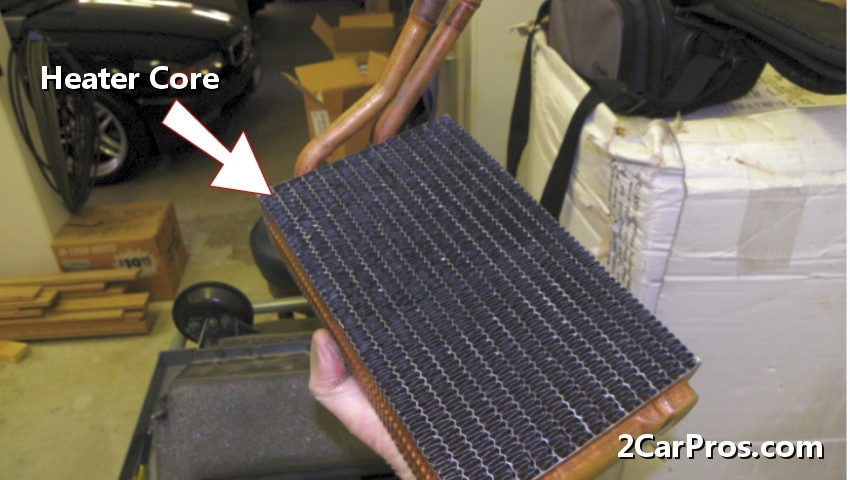
Some of the excess heat is released through the exhaust. Most of the excess heat is absorbed by a circulating liquid coolant, which is a mix of water and antifreeze. The heated liquid coolant is carried from the engine through hoses to the radiator, which transfers the heat from the coolant to the outside air. That heat transfer lowers the temperature of the liquid coolant, which is then circulated back to the engine to absorb excess heat again. Whereas the radiator is located at the car front grill, the unit that transfers heat to the passenger cabin is located inside the dashboard. This unit is something of a mini-radiator and is referred to as the heater core. 

Heated liquid coolant circulates through tubes in the heater core and a heater fan blowing across those tubes, as well as through little fins encasing the tubes, directs warm air through heating vents into the passenger cabin. Because your car’s heating system works off of its cooling system, heating system malfunctions are often caused by problems in the cooling system. The heater core in your car is similar to the radiator in the front of your car; in fact it looks like a small radiator. The difference is the heater is mounted inside the car and air is blown through the fins of the core. The heater hoses transfer engine coolant from the engine to the heater core, this allows the heat from the engine coolant to be utilized and warm the passenger compartment. When a heater stops functioning determine what type of failure has occurred to execute a repair. We have listed the most common problems below:

Heater Core
Heater Core


Troubleshooting Procedure

Check Engine Coolant Level - Most cars have coolant reservoirs with opaque white plastic tanks and measuring lines allowing you to see if the coolant is at the recommended level. Coolant expands when heated, and for that reason, most coolant reservoirs have a Full-Cold and a Full-Hot line. If there is too little coolant in the reservoir, you should be alerted to the possibility that there could be a leak somewhere in your car’s cooling system. Remove the reservoir cap and add coolant to the Full-Cold line, if a very short time after you refill the coolant reservoir the coolant level is low, there is a leak in your car’s cooling system.

Engine coolant is used to heat the heater core and if the vehicle is low on coolant the heater core will stop working. The heater cannot produce heat due to the lack of heat from the engine coolant. Even if the engine is not over heating the coolant level can still be low. Inspect the engine coolant level in the coolant reservoir tank; coolant level should be between the hot and cold marks. Always check the coolant level when the vehicle is cold, preferably over night. Check for engine coolant leaks and repair as needed, then refill with coolant and recheck the system.

Radiator Cap
Radiator Cap

Inspect Heater Control Valve - The heater control valve is used to shut off hot coolant from entering the core when the heater is in the off position. A heater control valve can be actuated by either a vacuum line or a cable from the vacuum heater control valve to the heater core. This hose should be warm; if not the heater control valve is stuck and needs to be replaced. After the repair has been made refill the coolant level and recheck system.

Heater Control Valve


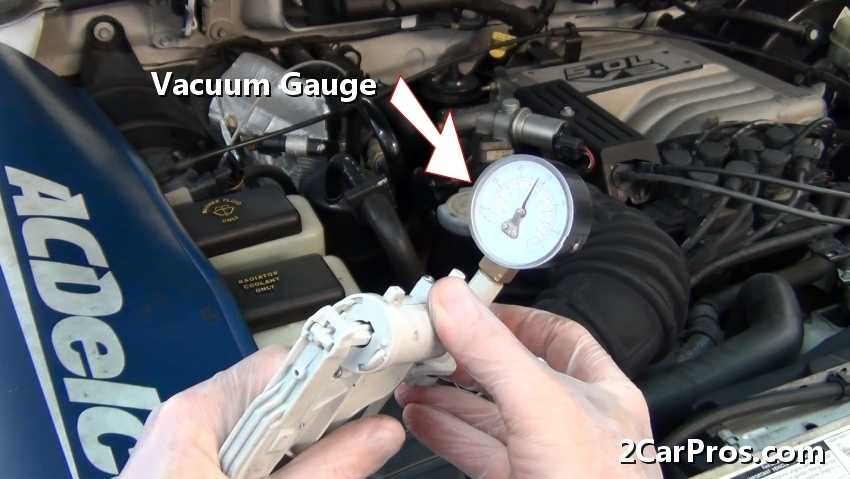
Check Vacuum Feed - Most heater systems are operated by engine vacuum. This vacuum is used to actuate servos to move the temperature adjustment doors inside the heater plenum. If engine vacuum is not present the heater will not operate properly. To test for this condition remove the vacuum feed line from one of the vacuum servos. With the vacuum feed line removed insert a vacuum test gauge. If no vacuum is present, open the hood and inspect all small vacuum lines from the engine to the firewall and repair as needed. If a hissing noise is present under the dash when the engine is running a vacuum leak exists and must be repaired to restore heater function.

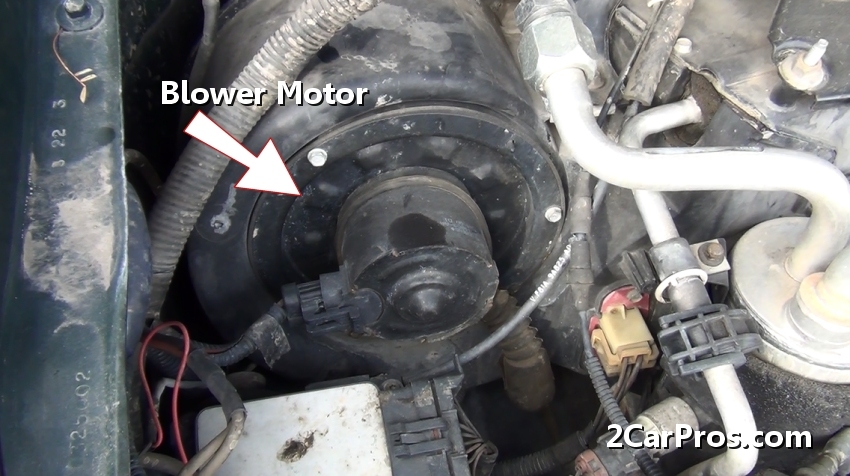
Troubleshoot Blower Motor - An electrical motor is used to push air through the heater and air conditioner system. If this electric motor fails it will not force air through the system. Ground a test light lead to a good ground source, like a metal brace under the dash, seat mount bolt or under hood brace. Turn the key to the on position; check the fuse in the heater or blower motor fuse panel with a test light. Then lightly touch the service port at the top of the fuse on both sides. If the test light illuminates on both sides of the fuse, the fuse is okay and working properly. If the fuse lights the test light on one side it is blown and needs to be replaced.

Power Distribution Center

If you are unsure of the location of the heater fuse consult a repair manual. If the fuse condition is okay, position the blower speed to the highest setting. Connect the ground end of the test light to a known ground source. Then probe both ground and power feed wires of the fan motor. The test light should illuminate on only one of the wires (fan motor failed). If the test light illuminates on both wires the ground source has shorted. If neither of the wires illuminate the power source is shorted. To trouble shoot this style of problem a wiring schematic is needed.

If further assistance is needed, our certified car repair technicians are ready to answer your car questions.

Related Car Repair Information