2CarPros - Car Questions & Answers

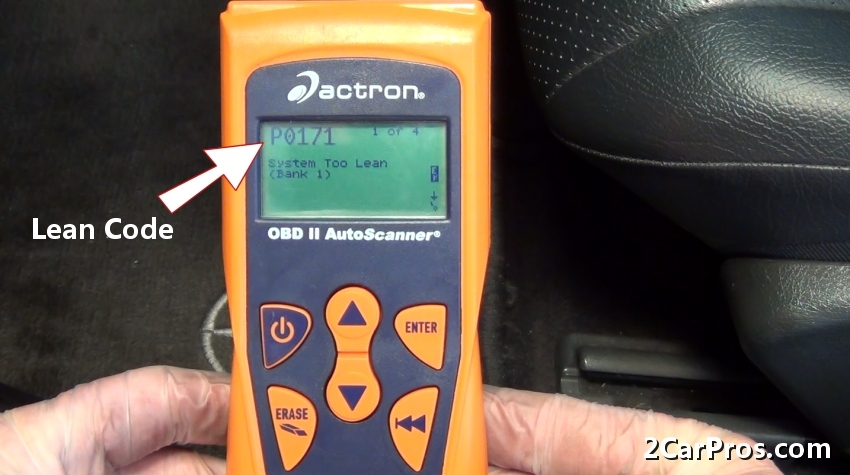
Oxygen Sensor Lean Mixture Codes P0171 or P0174

The engine management system is designed to control the air fuel mixture the engine consumes. This system controls the air fuel mixture according to sensor feedback data. There are two types of lean mixture conditions, computer controlled and non-computer controlled malfunctions. Also, there is a different diagnosis if there is lean mixture codes for one side or the other of the exhaust system, bank 1 or bank 2 (V10 V8 V6 only) and a lean codes for both sides of the exhaust system. If there is a lean mixture code for one bank or the other it typically means an engine cylinder or injector is having a problem. On this page there are two sections; Section 1 is for lean bank 1 or bank 2. Section 2 is for lean system codes (lean on both sides, bank 1 and 2). 

Common misconception: When an engine misfires it creates a lean condition not a rich one and this is why all engines run on an optimum fuel to air mixture called "stoichiometric" which means chemically balanced. This balanced fuel to air ratio is 14.7 to 1, 14.7 parts air to 1 part fuel. When the engine misfires it releases more air (14.7 times more) then fuel, creating a lean mixture. When a lean mixture code is present you must consider how the engine is running before diagnosis begins. We have listed the most common reasons for a lean mixture code below:

Car Repair Guide


Section 1 - Lean mixture code for bank 1 or bank 2 (V6,V8,V10 and V12 engine only)


Step 1 - Use a simple scanner tool to retrieve trouble codes and check if they relate to a specific cylinder, like an ignition coil or fuel injector failure code and repair as needed. Once the repairs have been made clear the trouble codes and recheck system. If a trouble code is present but does not pertain to the immediate problem like an EVAP failure code it must be checked. The reason we repair non-related codes is if the component is vacuum driven, it might be leaking causing a lean mixture code. If no trouble codes (besides the lean mixture codes) are present proceed to the next step.

Step 2 - If your engine is running rough with no additional trouble codes it will produce a lean mixture DTC (diagnostic trouble code). You must determine what is causing the engine misfire. Please follow this link to troubleshoot the problem, engine misfires If your engine is running ok proceed to the next step.

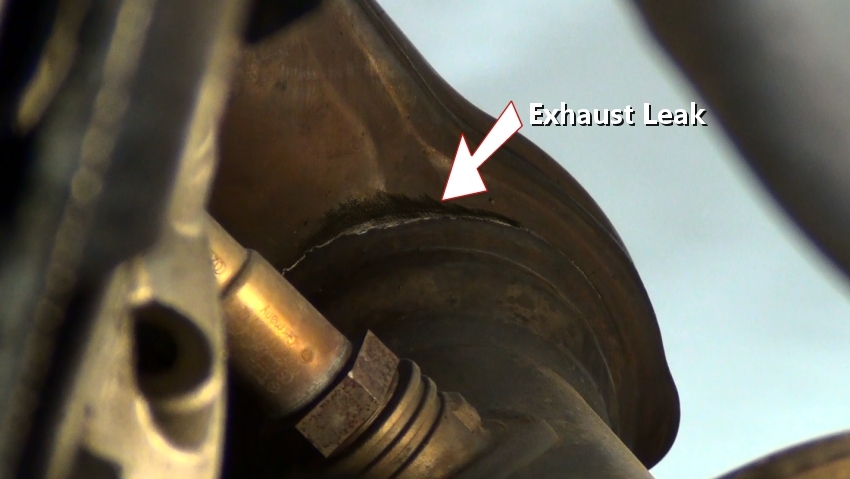
Step 3 - The exhaust system is used to transfer exhaust gases to the rear of the vehicle. If an exhaust leak is present before the oxygen sensors it can cause the sensor to produce a false reading. You might say a leak will not affect the reading because the exhaust is simply leaking out. The problem is that theory is not exactly true. Engine exhaust is produced in pulses as the cylinder's fire. When the exhaust valve opens pressure is created in the exhaust system while the spent mixture exits the combustion chamber. But then a vacuum condition in the exhaust is created after the exhaust valve closes.  This vacuum condition can draw raw oxygen from outside of the system and cause a false reading. 

To inspect for an exhaust leak, start with a cold engine. Then have a helper start the engine and hold the idle at about 1500 rpm. Next, try to listen for any exhaust noises coming from any part of the exhaust system including the exhaust manifold and head pipe. Also look for black soot at any point in the system as this can be the source of an exhaust leak. If an exhaust leak is detected repair leak and recheck system. If no exhaust leak is detected continue to the next step.

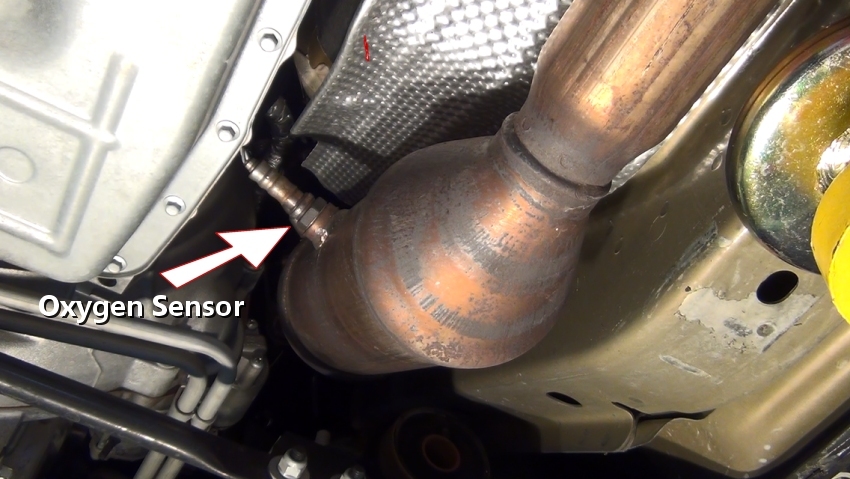
Step 4 - The oxygen (O2) sensor is designed to deliver feedback voltage to the PCM. If the sensing element fails it will not deliver the proper feedback information causing a lean mixture code. To test the oxygen sensor follow this link - How to test an oxygen sensor.


Section 2 - Lean mixture code for both bank 1 and bank 2 (lean system code) (bank 1 only on 4 cylinder engines)


(Note: if you have trouble codes for both primary oxygen sensors lean, the chances both sensors have failed are remote. The problem is somewhere else.)

Step 1 - The correct fuel delivery is essential for proper engine operation. This means if the fuel delivery is impaired for any reason it can cause a lean mixture code. The main reasons for this condition are plugged fuel filter or weak fuel pump operation. To inspect the fuel filter follow this link, how to change a fuel filter.

Step 2 - Your engine is designed to run on specific values, if there are no codes besides a lean mixture code and the engine is running ok the problem is a sensing value problem. A mass air flow sensor (MAF) is famous for causing such a problem. Example: Let's say the engine is running at 2100 RPM at any particular time. When a mass air flow fails it sends feedback information to the PCM that the engine is running at 1800 RPM so the computer will lean down the mixture. But the engine is running at 2100 rpm so the mixture is detected lean by the oxygen sensor and the computer will illuminate the CEL (check engine light). 

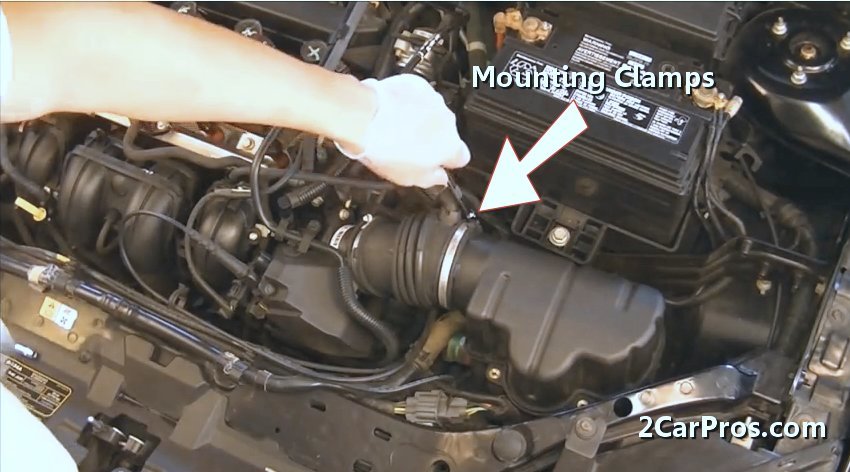
There are a few main reasons the mass air flow reading can be incorrect. First the air intake boot could be cracked or ripped allowing non-metered engine air intake to be consumed. Or the mass air flow fails because the sensing element inside the sensor becomes contaminated from impurities from the air the engine consumes. Sometimes this element can be cleaned with an aerosol cleaner such as mass air flow cleaner. I have had limited success cleaning the mass air flow sensor, replacement at this point is best. Repair or replace failed components as needed and recheck the system. If your engine does not use a mass air flow continue to the next step.

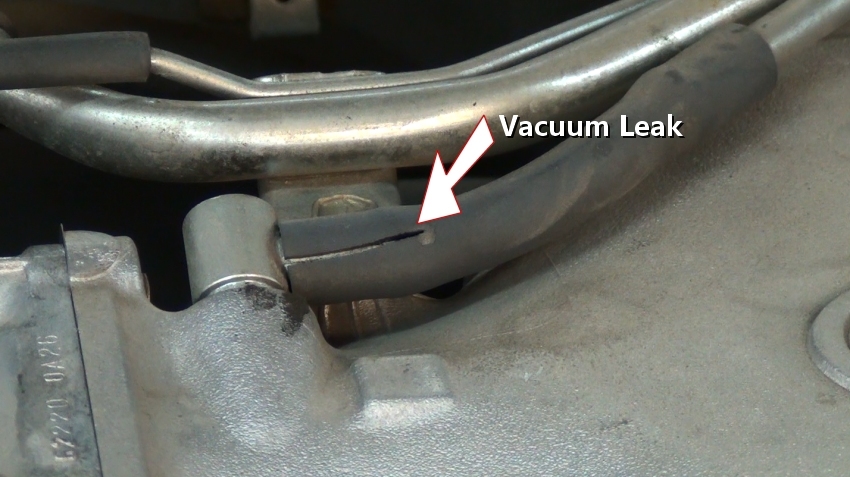
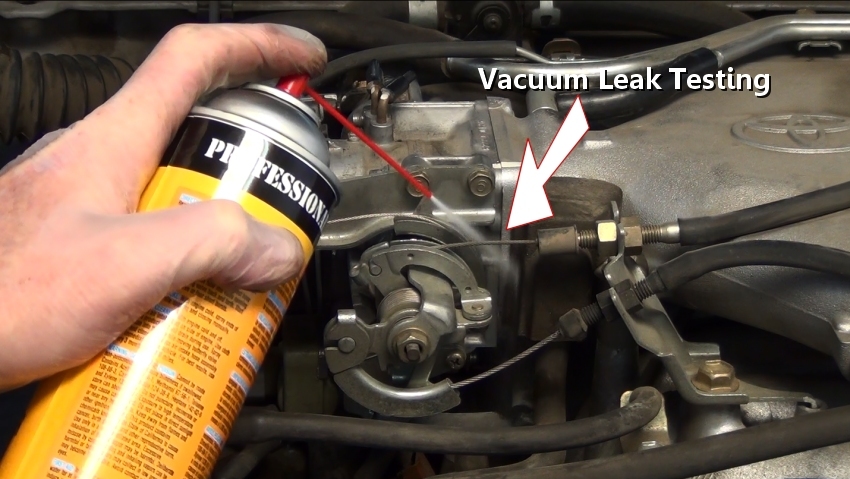
Step 3 - Your engine is designed to run on its ability to hold vacuum. If vacuum is allowed to leak it will cause a lean mixture condition. Vacuum hoses are typically connected to the engine intake manifold and will supply engine vacuum to various accessories like power brakes. Some cars are designed with a larger vacuum transfer hose like Ford that connects the intake manifold to the idle air control (IAC) motor. A broken or dilapidated vacuum line or air intake boot can cause the engine to lose vacuum which will cause a lean mixture code. Inspect all engine and accessory vacuum lines to look for missing, torn or dilapidated lines and replace as needed. Also have a helper rest their foot on the gas pedal just enough to keep the engine running. 

Check the engine when it is running to listen for any whistling noise coming from the engine that is not usually present. Follow the noise and inspect vacuum lines in that area. In addition when the engine is running it will pull inward a broken or weak piece of the hose to create a larger vacuum leak. Check the integrity of all vacuum hoses at each end of the hose. Typically this is where a vacuum hose fails. Replace any vacuums hoses that have failed, clear codes and recheck system.


Failed Air Intake Boot


How to Change an Air Intake Boot

If further assistance is needed, our certified car repair technicians are ready to answer your car questions.

Related Car Repair Information