2CarPros - Car Questions & Answers

Brake System Warning Light On

Check Brake Master Cylinder Fluid Level

Warning Light On for Brake System

The brake warning light on the dash is in red because there is an immediate danger when the car is driven. When this red light comes on it means either the emergency brake in still set or the brake system fluid reservoir is low or out of brake fluid. Or that one half of the brake system is not working, front or rear. Brake fluid is needed to supply the necessary hydraulic pressure to activate the brake caliper or wheel cylinder. The brake system is equipped with safety system built into the brake master cylinder by having a primary and secondary brake fluid pressure chambers independent of one another. If either the front or rear part of the brake system experiences a malfunction the remaining side of the system will stop the car, but with impaired performance since only one half of the brake system is working.


Replacing Front Brake Pads

If the front brake pads are worn the brake fluid level will be low in the master cylinder because of the lesser amount of material remaining on the brake pads. If no leaks are present check the front and rear brake pads.


When the brake system develops a brake fluid leak it can occur one of two ways, either the leak is abrupt and a massive amount of fluid leaks out or a slow leak is present causing the fluid to leak more slowly. Either leak not normal and immediate service is required. Using a flashlight inspect the master cylinder, front brake calipers, rear brake calipers or wheel cylinders and both front and rear brake flex hoses. If any brake fluid moisture is seen on these parts it means they have failed and service is required.

The brake system can show itself down on brake fluid which could be normal due to front or rear brake pad wear. As brake pads wear they allow brake fluid to fill into the caliper instead of brake fluid remaining in the brake master cylinder reservoir. If the brake system is not leaking and the fluid level is low check the front or rear brake pads. After the brake worn brake pads have been replaced recheck the fluid level, flush and bleed the system as needed.

Common Causes for the Brake Warning Light to Come On

  • Master cylinder has failed and is leaking externally

  • Front or rear brake caliper seals have failed allowing brake fluid to leak

  • Rear wheel cylinder seals are leaking due to a rusted or corroded cylinder bore


  • Rubber flex hoses at the front or rear of the car have failed

The brake system is by far the most important system in the car. This system requires care regularly the brake pad or shoes are a maintenance item and must be replaced to keep the system in good working order. Most brake pads will last between 15,000 and 35,000 miles depending on driving habit and conditions. Brake shoes are featured on the rear of some cars. Drum brake are more affected by water than brake discs and are not featured on the front of any new vehicle.

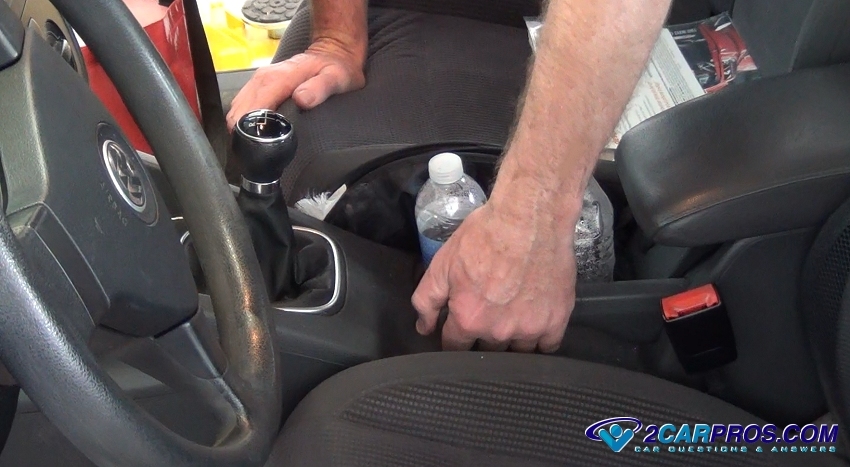
On the rare occurrence of a full hydraulic brake system failure the car is equipped with an emergency brake system that is attached to the rear brake system of the car. This emergency brake system is also used to hold the vehicle once the car has stopped and parked. Most emergency brake system accusation operation is either the right foot lever on the driver’s side (left foot in Europe). A pull handle at the lower dash level on the driver’s side or a level between the drivers and passages seats.

The emergency brake system is constructed without the use of hydraulic pressure. Cables are used to transfer the power from the emergency brake lever to the brake activation mechanism. An emergency brake is configured as a brake drum in most cases. Either used as part of the main brake shoes or a set of auxiliary shoes located side the rear brake rotor.

Cars equipped with an ABS brake system will have a yellow or orange warning light. This light is very different from the red brake system light. When the ABS (anti brake skid) system warning light comes on it means the ABS portion of the system has stopped working. When the ABS brake warning light is on the ABS system is in passive mode and will not operate. When this condition occurs a system scanner is needed to retrieve trouble codes. These codes will direct you to part of system that has malfunctioned. Once the repairs have been made use to scan tool to clear the system codes. Sometimes the codes will reset after the shorted or failed component has been replaced.

When adding brake fluid make sure it is within manufacturers recommendations most are rated as DOT3 or DOT4 fluids. Some manufacturers have adopted a silicone based fluid that is more resilient to heat and can outperform the petroleum based fluids. The brake fluid container should be air tight and stored in a cool dry place free from moisture.


Moisture in a brake system is not recommend as it can cause the internal parts of the brake system to rust or corrode causing the seals to fail. Once this condition has occurred it is recommended to replace the failed brake master cylinder, caliper or wheel cylinder with a new unit. Flush and bleed the system as needed with new brake fluid.

Once the brake fluid leak has been repaired you must flush, refill and bleed the brake system to alleviate any air bubbles trapped inside the brake system. If air bubbles are not removed it can cause the brake system to have a low or spongy pedal. In extreme condition massive amounts of air will not allow the system to work entirely.

Occasionally after brake system repairs have been performed the red brake system warning light will be on. What has happened is the brake proportioning valve is still offset due to the system leak. To reset this valve the car must be stopped. With a stabbing motion push the brake pedal and release. This action should push the valve plunger to the center of the valve and turn off the brake warning light.

The brake flex hose is a rubber reinforced with nylon. The hose part is constructed of three separate layers. The inner hose is brake fluid resistant rubber, followed by a nylon mesh and finally the outer part of the hose which is weather resistant. There are metal fitting attached onto either end of the hose, this is a common place for the brake hose to leak.

Metal brake lines are used to transfer the brake fluid from the master cylinder. These lines rarely fail and when they do it is usually because of an outside force such as damage from something hitting or cutting the line. If the metal brake line has failed it is advisable to replace the whole brake line and not trying to repair it.

If further technical assistance is needed, our certified car repair technicians are ready to answer your car questions. For manufacturer specific repair information visit - Car Repair Manuals

Related Car Repair Information