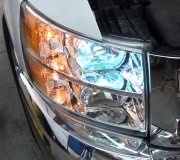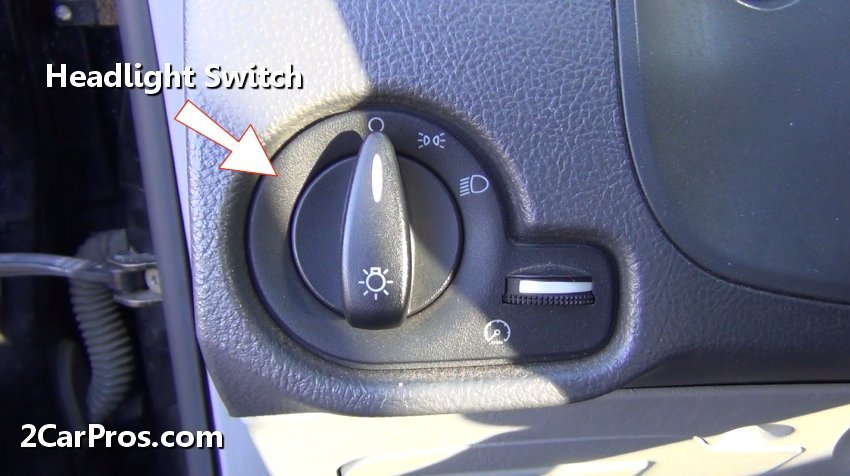
An automotive headlight switch is used to control the aspects of the headlight system and is located on the left side of the dash or on the left side control arm (turn signal lever). Most newer cars have an additional auto option which uses a light sensor somewhere on the upper dashboard that turns the headlights on automatically. Some headlights stay on temporarily after the vehicle has been exited, this feature is designed for the convenience of light outside the vehicle to help navigate around the vehicle at night. DRL systems are separate from the headlights which are similar in operation except the DRL system is used to make the vehicle more apparent to other drivers as a safety feature and does not activate the running lights. The following is a step by step guide on how the various features of a headlight switch works.
Manual headlight controls are executed by the driver or the body control computer
auto is selected. The first position on a headlight switch is the running light
illumination, this position is used to power up the running light system only.
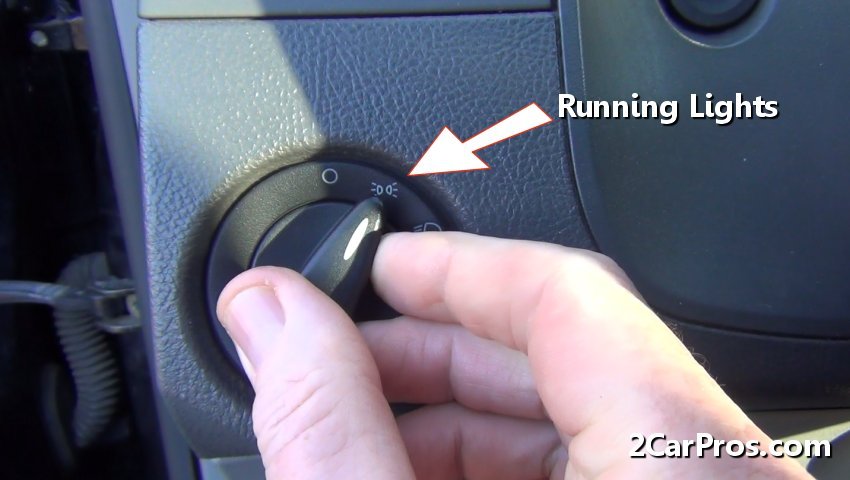 Running lights are used when visibility is low such as at dusk or when foggy.
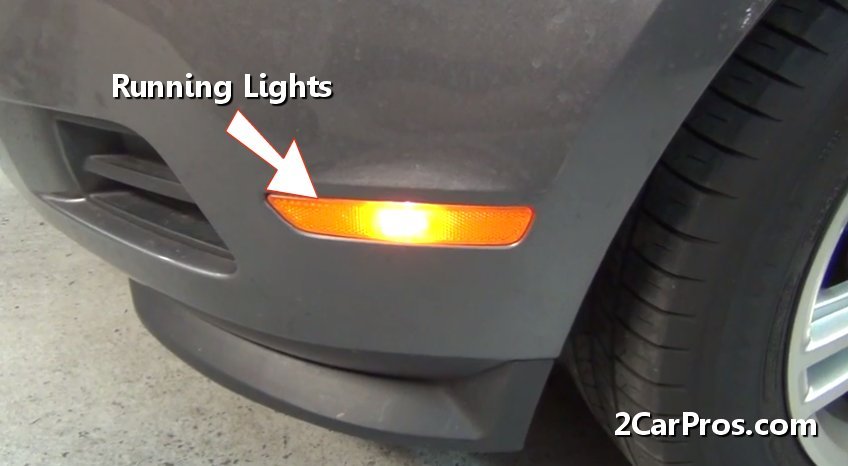
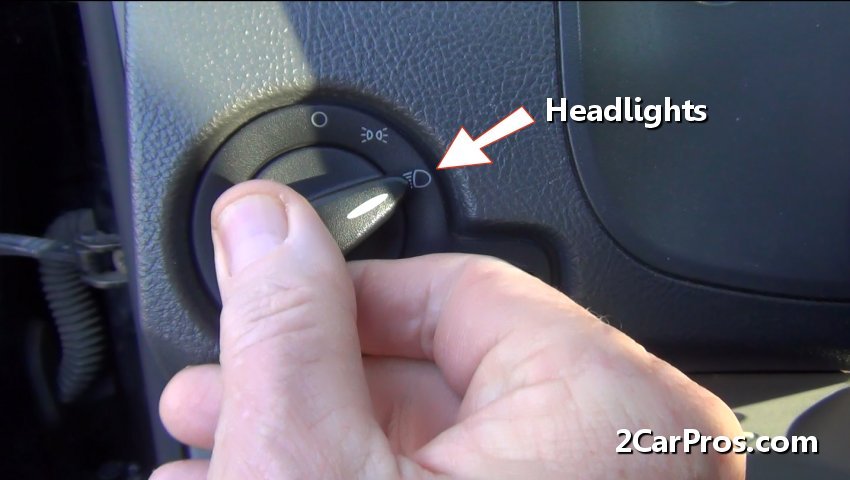
The following setting is used to illuminate the headlights and running or tail
lights at the same time and designates the system as fully on. In this position
the headlight will remain on until the ignition switch is turned off (running lights
will remain on). This is done to help preserve the vehicle's battery life.
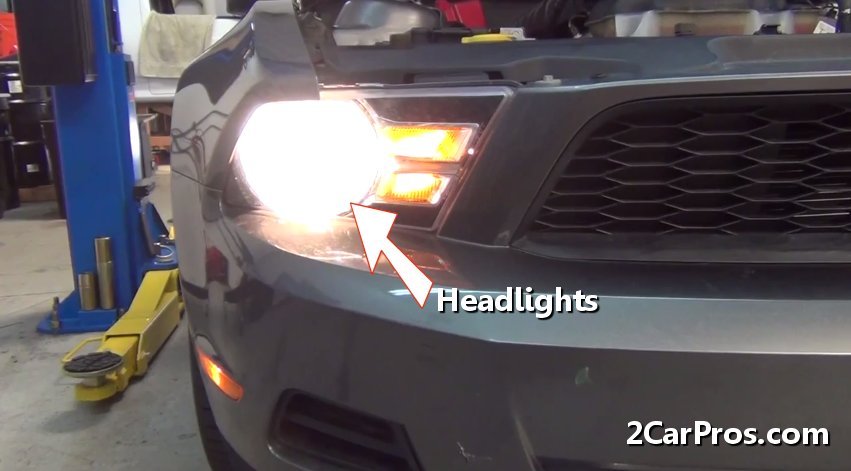
 Headlights are used at night, to help the driver observe the road in low visibility
conditions.
Headlights are used at night, to help the driver observe the road in low visibility
conditions.
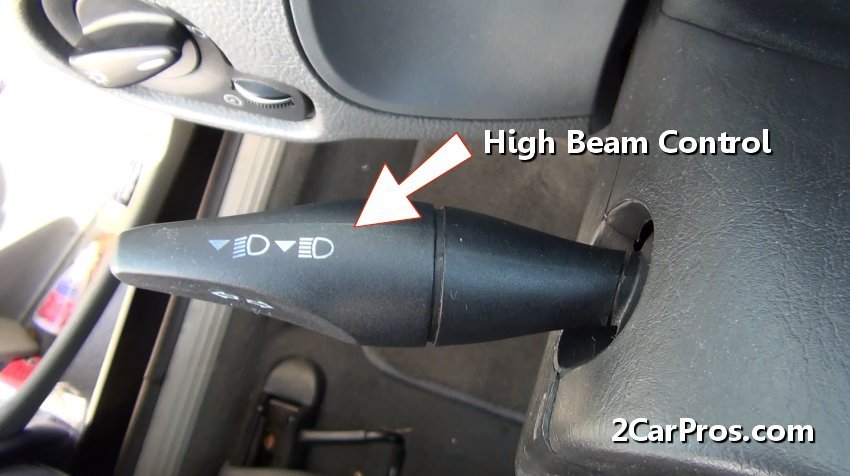
Additionally there is a high beam feature that is used to help driver visual
capabilities during open highway travels. These lights have a higher trajectory
than normal headlight beams and must be disabled when cars are approaching in the
opposite direction as to not impair the vision of these drivers. To activate the
high beam control push the left control lever forward, you will hear a distinctive
click and a blue headlight symbol will appear inside the instrument cluster. To
disable push forward again and the switch will return to normal extinguishing the
high beam indicator light.
A headlight switch also controls the instrument cluster brightness level and
can be found as a thumbwheel near the main switch control (designs can vary).
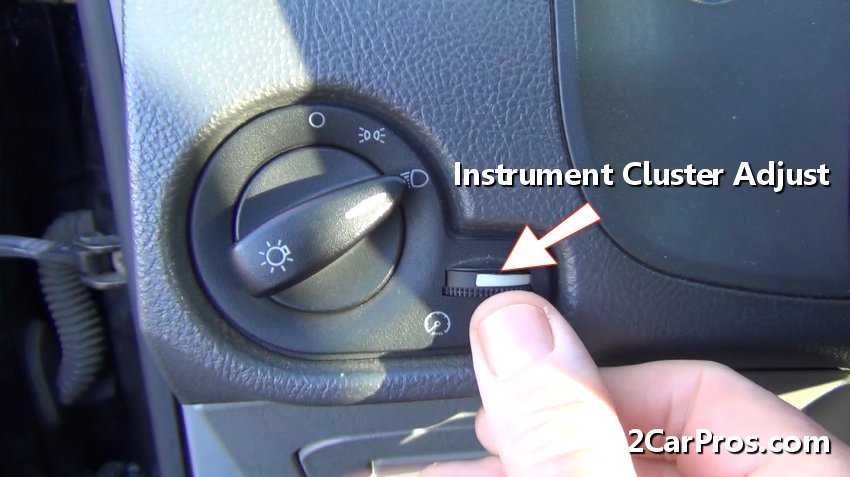
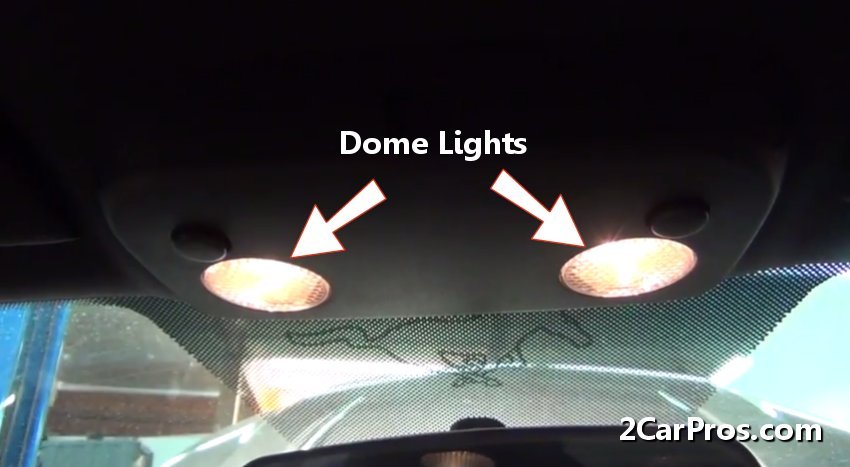
Lastly, once the thumbwheel is at the maximum position and reached the end of
its travel a lick will be felt turning on the dome lights on which give the driver
of the option to light up the passenger compartment.
Questions?
Our certified technicians are ready to answer headlight switch questions for free. We hope you saved money and learned from this guide. We are creating a full set of car repair guides. Please subscribe to our 2CarPros YouTube channel and check back often for new videos which are uploaded regularly.
Article published 2022-03-11