How an Automatic Transmission Works
There are two types of transmissions most commonly used today, automatic and
manual (stick shift).
Most automatic transmissions have a service filter in the transmission pan that
should be changed at manufacturer specified intervals. When
servicing an automatic
transmission a complete fluid flush is recommended to clean the many passages
inside an automatic transmission and to get the fluid that is trapped in the
torque converter. The driver
selects a mode by maneuvering the gear shift lever, usually placed on the steering
column or next to the driver's seat in the center console. In most cars it is necessary
to depress the brake pedal before
the gear selector can be moved from the "Park" position. Gear selection options
usually include (P)park, (R)reverse, (N)neutral, (O)overdrive, (D)drive, (2)second
and (L or 1)first gear in that order. The park or P mode locks the transmission
mechanically. This restricts movement of car in any direction. This is achieved
using a metal rod that engages the output shaft and prohibits movement. An automatic
transmission functions by automatically changing the gear ratios while determining
the speed and load of the engine.
Automatic transmissions have been available since the 1950s. The automatic transmission
is controlled by selecting a desired gear from the hydraulic gear engagement system.

Automatic Transmission Gear Range SelectorInside the Automatic Transmission
The automatic transmission consists of: a transmission case, planetary gear-sets, valve body, fluid cooler (in radiator) and a torque converter or fluid coupler. A torque converter utilizes transmission fluid as a coupling agent allowing the engine to run while the car is stopped without stalling the engine, then re-engaging to make the car move again once the RPM of the engine has increased. A series of clutches and band controlled planetary gear sets provide multiple forward gear ratios with a set reverse gear. The valve body is the hydraulic control center that receives pressurized fluid via the main transmission pump. This system is controlled by the computer PCM (power control module) in newer cars and mechanically in older ones (pre-computer controls).
Automatic Transmission cut-away Image
Transmission Planetary Gear SetTo prevent damage to the transmission the car should be at a complete stop before engaging the Park mode. Park mode is also one of the modes in which the car can be started; the other is the N or neutral position.The neutral or N mode is used to disengage the transmission from the drive wheels to let the car move freely. The drive or D mode allows the car to vary its speed through a range of forward gears, usually 4 forward gears exist, but companies like Audi, BMW, Lexus and Mercedes Benz have developed a direct shift gearbox that has up to 8 forward gears.The D4 mode is best suited for highway speeds and D3 can be used for around town driving. The first, 1 or L mode is meant to lock the transmission in first gear. In this mode a vehicle will move slowly but have more power that can be used when towing or on steep grades. The second, 2 or S mode is used to lock the transmission in the first two gears. This is used in extreme weather conditions like ice and snow and to govern vehicle speed.

Automatic Transmission Computerized operating system with ABS Brake SystemAutomatic transmissions make specific noises when a malfunction occurs. An automatic transmission is a hydraulic pressure driven system and it will make different noises than a manual transmission. If the transmission filter becomes plugged due to debris, it can make a whirring noise. If the fluid level is low, you might hear a bubbling sound, caused by the pump scavenging fluid inside the transmission pan. Most internal failures are due to bearing, clutch or hard part failure. When such a failure occurs the transmission can make grinding, whirring sounds or no noise at all. When a transmission has a major failure you might hear a loud pop which could mean a drive component inside the transmission has failed and the car will stop moving.Some manufacturers have developed a continuously variable transmission or CVT. This type of transmission has become popular during the past few years. Instead of having set gear ratios, the system can change the amount of forward acceleration over a wide range of speeds. Two cones or wheels of varying diameter are used to change the gear ratio. Hydrostatic drives use a variable displacement pump and hydraulic motor to vary the ratio continuously according to the amount of throttle being given and the amount of load on the vehicle.Popular Problems Checks1. Car will not go into gear:
3. Car goes into gear but does not shift out of first:

Automatic Transmission Gear Range SelectorInside the Automatic Transmission
The automatic transmission consists of: a transmission case, planetary gear-sets, valve body, fluid cooler (in radiator) and a torque converter or fluid coupler. A torque converter utilizes transmission fluid as a coupling agent allowing the engine to run while the car is stopped without stalling the engine, then re-engaging to make the car move again once the RPM of the engine has increased. A series of clutches and band controlled planetary gear sets provide multiple forward gear ratios with a set reverse gear. The valve body is the hydraulic control center that receives pressurized fluid via the main transmission pump. This system is controlled by the computer PCM (power control module) in newer cars and mechanically in older ones (pre-computer controls).

Automatic Transmission cut-away Image

Transmission Planetary Gear SetTo prevent damage to the transmission the car should be at a complete stop before engaging the Park mode. Park mode is also one of the modes in which the car can be started; the other is the N or neutral position.The neutral or N mode is used to disengage the transmission from the drive wheels to let the car move freely. The drive or D mode allows the car to vary its speed through a range of forward gears, usually 4 forward gears exist, but companies like Audi, BMW, Lexus and Mercedes Benz have developed a direct shift gearbox that has up to 8 forward gears.The D4 mode is best suited for highway speeds and D3 can be used for around town driving. The first, 1 or L mode is meant to lock the transmission in first gear. In this mode a vehicle will move slowly but have more power that can be used when towing or on steep grades. The second, 2 or S mode is used to lock the transmission in the first two gears. This is used in extreme weather conditions like ice and snow and to govern vehicle speed.

Automatic Transmission Computerized operating system with ABS Brake SystemAutomatic transmissions make specific noises when a malfunction occurs. An automatic transmission is a hydraulic pressure driven system and it will make different noises than a manual transmission. If the transmission filter becomes plugged due to debris, it can make a whirring noise. If the fluid level is low, you might hear a bubbling sound, caused by the pump scavenging fluid inside the transmission pan. Most internal failures are due to bearing, clutch or hard part failure. When such a failure occurs the transmission can make grinding, whirring sounds or no noise at all. When a transmission has a major failure you might hear a loud pop which could mean a drive component inside the transmission has failed and the car will stop moving.Some manufacturers have developed a continuously variable transmission or CVT. This type of transmission has become popular during the past few years. Instead of having set gear ratios, the system can change the amount of forward acceleration over a wide range of speeds. Two cones or wheels of varying diameter are used to change the gear ratio. Hydrostatic drives use a variable displacement pump and hydraulic motor to vary the ratio continuously according to the amount of throttle being given and the amount of load on the vehicle.Popular Problems Checks1. Car will not go into gear:
- Gear selector cable has failed
- Brake lock solenoid or brake light switch has failed not allowing the gear selector to move out of "Park"
- Excessively low transmission fluid (note: if car is operated for an extended amount of time with low fluid level the transmission will fail prematurely)
- Shorted electrical component not allowing the PCM to control the transmission. Example: shorted fuse
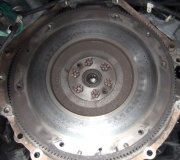
- Flex plate (flywheel) is broken completely not transferring engine power to the transmission.
- Transmission fluid is low
- Transmission clutch discs or bands are worn out or burned
- Faulty transmission shift solenoid.
3. Car goes into gear but does not shift out of first:
- Blown fuse to the PCM controller
- Faulty vehicle speed sensor (VSS)
- Shorted second gear control solenoid
- Faulty transmission controller (PCM)
- When the vehicle is cold or going around corners the transmission fades in and out of gear: In most cases this means the transmission fluid is low. The transmission will lose hydraulic pressure causing the transmission to drift in and out of gear. Check your transmission fluid when the car is on flat ground with the engine idling in park (some Chrysler products must be checked in neutral), add fluid as needed and recheck level.
- Transmission is shifting too late or not at all. On most cars the transmission is controlled by the PCM (powertrain control module) if the vehicle speed sensor fails the PCM has no input so the computer will not shift the transmission properly. The best way to check this sensor is to make sure the speedometer is operating correctly. If it isn't, replace the VSS and recheck. On older cars the transmission shifting is controlled by either a vacuum modulator or a throttle control valve cable (TV Cable). If the vacuum is impaired to the modulator or the throttle valve cable has failed the transmission will not shift correctly.
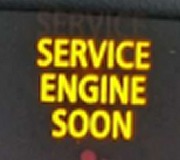
- The transmission skips second gear, shifts from first gear to third gear and the "service engine soon" MIL is illuminated. Scan the computer to locate the transmission control solenoid that has malfunctioned, replace the solenoid then clear trouble codes and recheck operation.
- Clear all DTC's with a engine scan tool (diagnostic trouble codes)
- Start the engine and observe the MIL, if it does not illuminate continue to next step (malfunction inductor lamp or check engine light)
- Drive the vehicle while trying to maintain a constant throttle position as it accelerates up through all four gears. If the transmission is shifting properly, it should be in 4th gear by the time you reach 45 to 50 mph on level ground. Repeat this procedure from a standing start 3 to 5 times. Rescan the PCM for trouble codes, if none appear the problem could have been a onetime occurrence. If trouble codes have returned repair as needed and recheck system.
- Automatic Transmission Questions
- How to Service an Automatic Transmission
- How to Remove an Automatic Transmission
- How to Check Automatic Transmission Fluid Level
- How Does a Torque Converter Work?
- How Does Transfer Case 4x4 Work?
- Transmission is Making a Bubbling Noise
- How Does a Hybrid Transmission Work?
- Why Does the Engine Surge?
- Why Does an Engine Stall?
- Transmission is Making a Grinding Noise
- How to Scan for Transmission Trouble Codes