
Introduction to Variable Valve Timing (VVT)
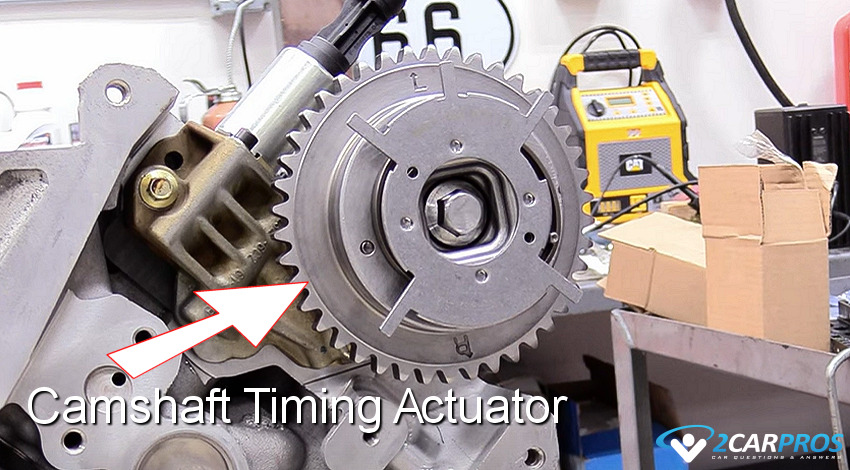
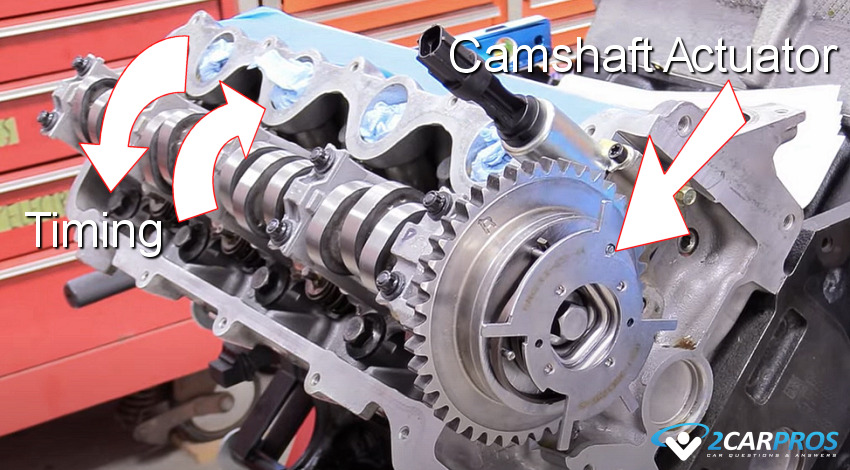
Variable Valve Timing (VVT) is a technology used in automotive engines to improve performance, fuel efficiency, and emissions by altering the timing of the intake and exhaust valves. A camshaft actuator or "phaser" as its sometimes called is responsible for the position angle of the camshaft in the relationship to the engine crankshaft. In this guide, we will delve into how VVT works, the components involved, and the advantages it offers.
Why Move Camshaft Timing?
Before camshaft actuators were invented the camshaft was in a fixed position or "straight up" with the intake and exhaust lobes perfectly split in their duration when the piston was on top dead center, (fully up inside the cylinder bore). But, when the engine is running and at a lower RPM range it has more power if the camshaft is advanced a few degrees in relationship to the crankshaft.
Alternatively, the engine has more power at higher RPM's if the camshaft is retarded a few degrees in relationship to the crankshaft. This is how the camshaft actuator was born, by giving the camshaft the ability to be both advanced and then retarded gave the engine more power throughout its complete RPM range.
How It Works
1. An electronically controlled camshaft actuator valve is positioned on the cylinder head or on the engine block to divert pressurized oil to one side of the actuator or the other. This forces the camshaft actuator to advance or retard timing which is controlled by the ECM (engine control module).
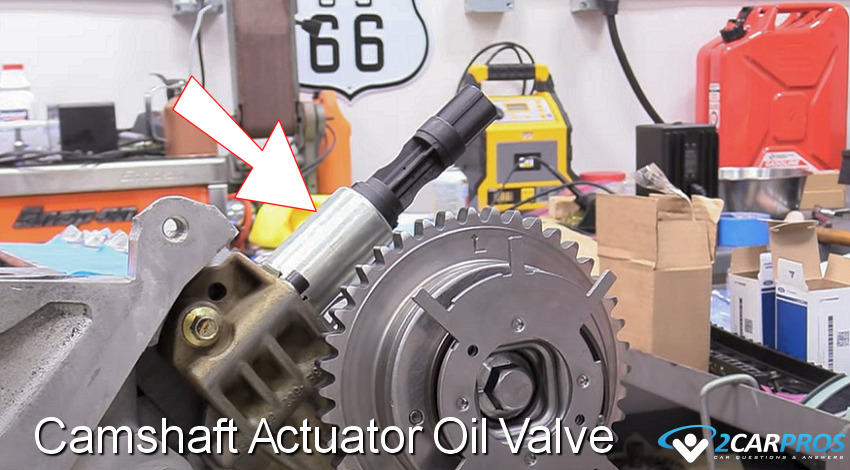
2. The actuator control valve receives signals from the computer to move the camshaft one way or the other. This pressurized oil moves the camshaft forward or backwards in relationship to the crankshaft via the actuator which is supplied by the engine oil pump.
Pro Tip
- Engine oil must be clean and full for the camshaft timing system to operate correctly.
- Low oil pressure can hinder the performance of the camshaft actuator.
Conclusion
Variable Valve Timing is a crucial technology in modern automotive engines, balancing the demands for power, efficiency, and emissions control. Understanding how VVT works can provide valuable insights into how your vehicle performs under different conditions.
Watch the Video!
Through internal passages oil is diverted to one side or the other inside the actuator.
Credits
This guide knowledge base was created by the 2CarPros Team. If you have a car repair question, you can ask the 2CarPros community for help. Please visit our 2CarPros YouTube Channel for more helpful repair videos.