
Introduction
A hybrid battery is not the same as a car 12 volt battery, a hybrid battery do not use the common lead acid based units, but instead are nickel-metal hydride (NiMH) and lithium-ion (Li-ion) batteries. These batteries are liquid cooled and highly monitored and is also known as a hybrid electric vehicle (HEV) battery, which is designed to provide electric energy to the electric hybrid motor.
First-generation hybrid batteries had a cobalt oxide cathode material, which made them more vulnerable to fire and explosion. This was known as the thermal runaway effect. To defeat this condition manufacturers have now replaced the cobalt metal with phosphate, which provides the same charging power, energy storage and cause less harm to the environment.
Because of technological advancements in the hybrid auto industry, goals of higher gas mileage are realized which include overcoming the problem of being able to rapidly recharge the battery without damage. Manufacturers recycle many of the components of the battery, parts are disassembled and divided into categories, plastic is shredded, metals and fluid extracted. The remainder of the contents is neutralized before sent into landfills
1. A hybrid battery is different than a conventional car battery in respect to its composition and application. Where as a typical non hybrid battery has six cells submerged in battery acid, the hybrid battery is comprised of many cells which are created as a dry cell submerged in die-electric gel or silicone.
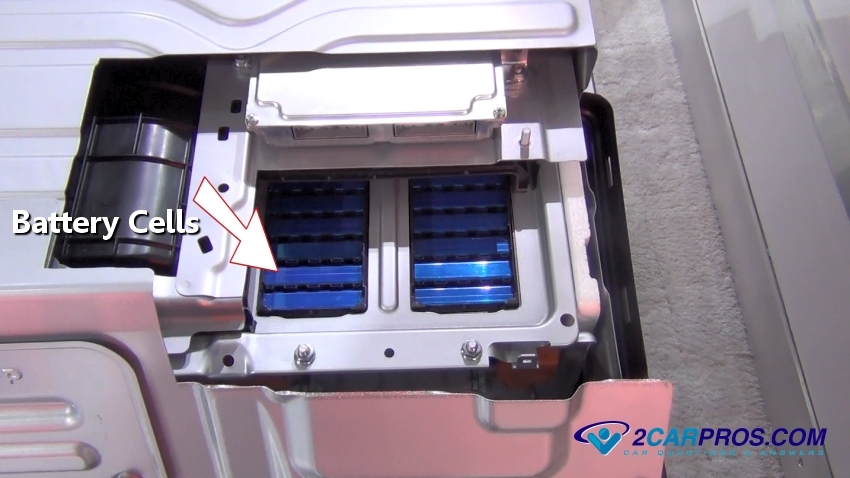
2. A hybrid battery is larger than its old counterpart and can weigh up to three times more while expelling over 300 volts @ high amperage (volume). This aspect creates a safety hazard which can be fatal if mistreated so caution should be used when working with a hybrid battery.
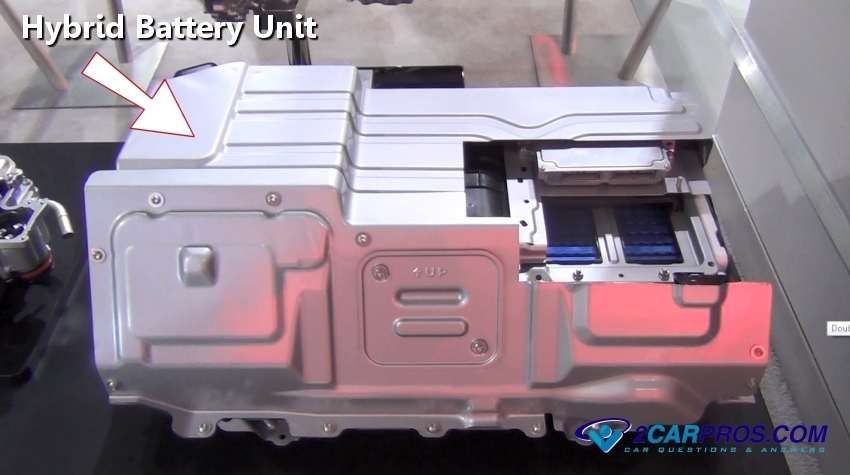
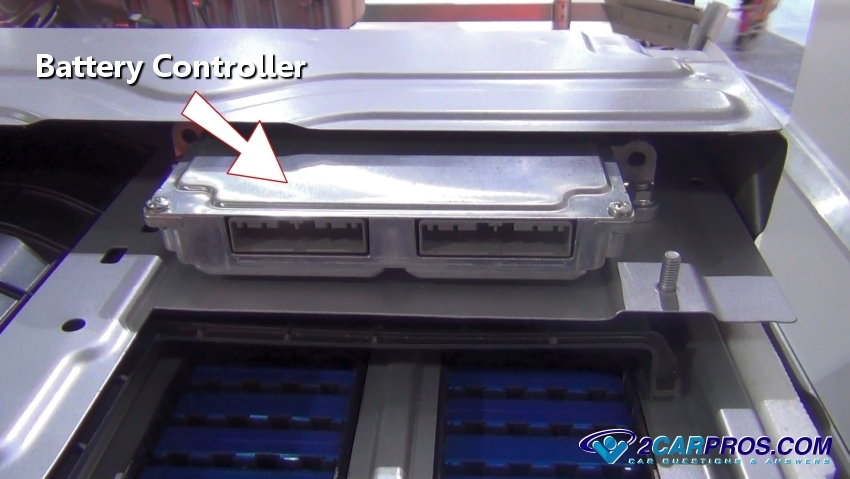
3. A power inverter controller is used to manage voltage and amperage, input and output of the battery. This controller shares data, and is managed by the vehicle main computer system.
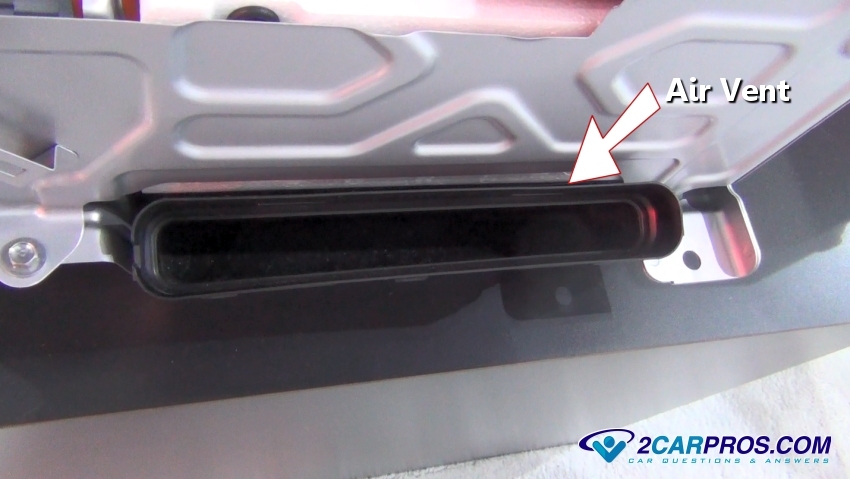
4. Because of the severe duty the battery is subject to, ventilation is essential to battery operation which allows heat and gasses to escape.
5. The main battery leads are designated by color, red, orange or light blue insulations, these leads connect to various parts of the drivetrain and electrical system.
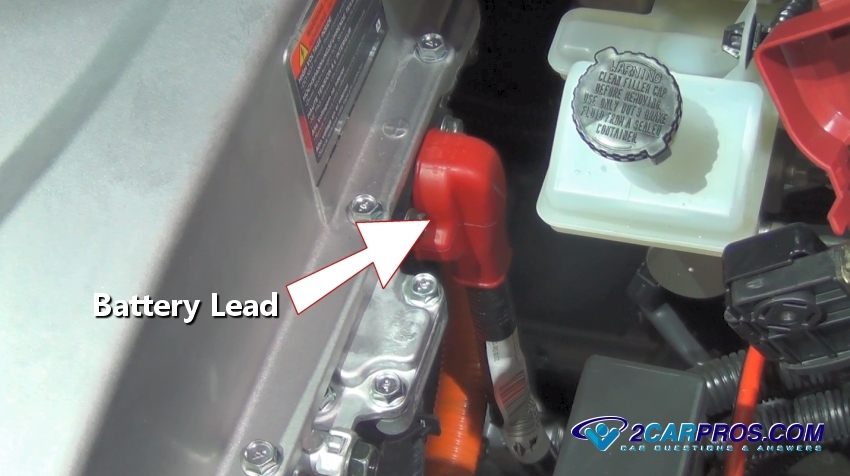
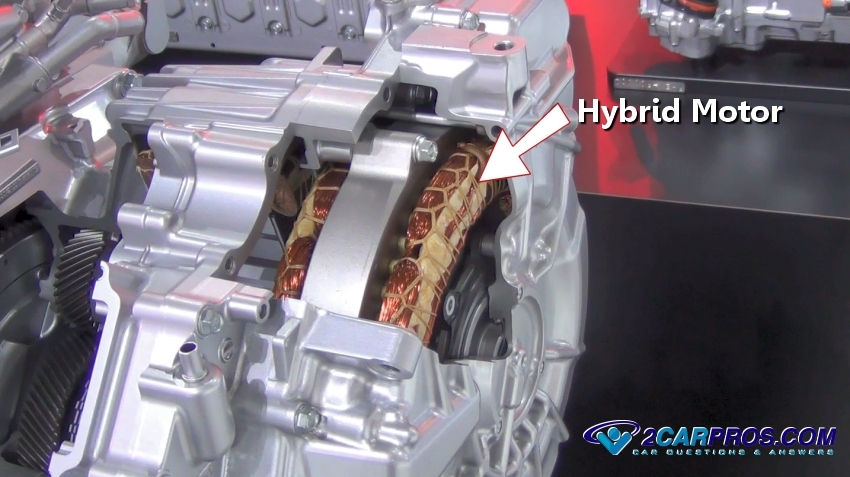
6. The hybrid battery is charged by a combination of engine power or brake inertia, which is converted to charge voltage by the hybrid motor located inside the transmission, (the hybrid motor is turned into a generator when power is not being applied). The battery can also be recharged with a "plug in" charger from either a 110 or 220 voltage outlet.
7. Manufactures have developed many configurations and locations into their car designs, this battery is made into the floor of the vehicle.
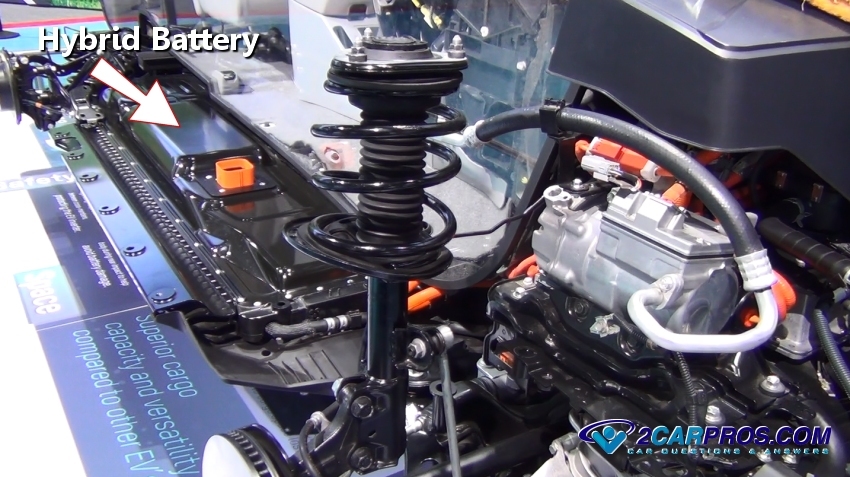
Typically, a hybrid battery lasts between 8 to 15 years before needing replacement. To keep the battery in good shape avoid quick charging and depleting the battery fully. Also, extreme hot or cold weather can cause the battery to loose its charge more rapidly. The BMS (battery management system) is responsible for monitoring the charge and heath of the battery and will give warnings to the driver when a problem is detected.
Credits
This guide knowledge base was created by the 2CarPros Team, and by Ken Lavacot: Automobile repair shop owner and certified master automobile technician of over 30 years. If you have question or need help please ask one of our experts we are happy to help. Please visit our 2CarPros YouTube Channel.

Article published 2024-05-15

Battery Replacement Toyota

Battery Replacement Honda

Battery Replacement Ford