
Introduction
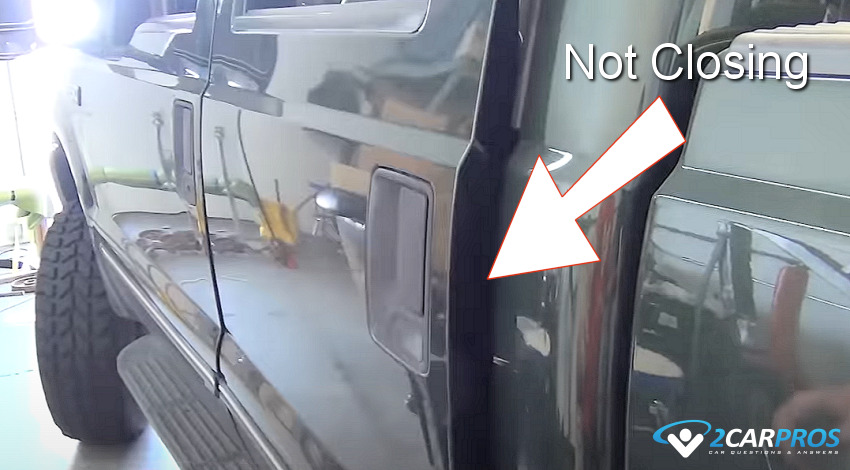
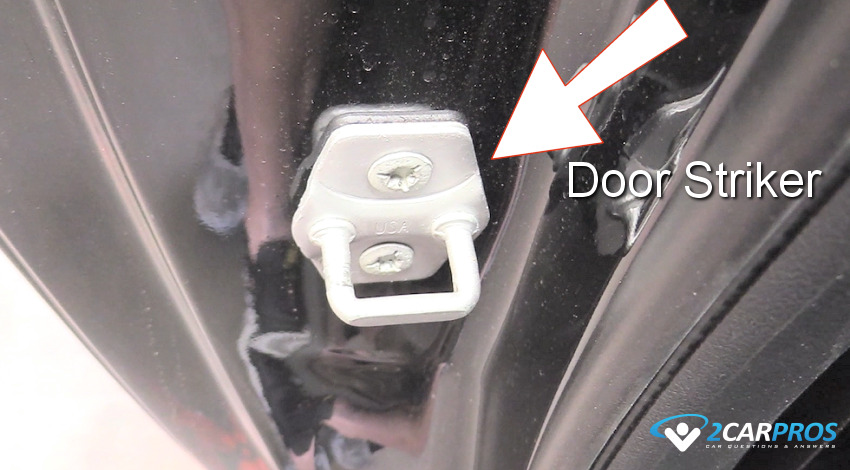
Though there are many reasons a car door will not close, this guide will show you an easy trick that just takes a few seconds that must people don't know, this can also be applied to love box, center console, trunk and hood. This method should be looked at first before any replacement parts are installed. The door latch works in conjunction with the door striker which is a small post or 'U" shapes anchor in the door jam, when the latch is opened, the striker is released allowing the door to open.
Possible Tools and Supplies Needed
- Screwdrivers (Phillips and flathead)
- Torx drivers or socket set
- WD-40 or lithium grease
- Flashlight
- Gloves and safety glasses
Door Latch Inspection and Repair
1. Check Latch Position
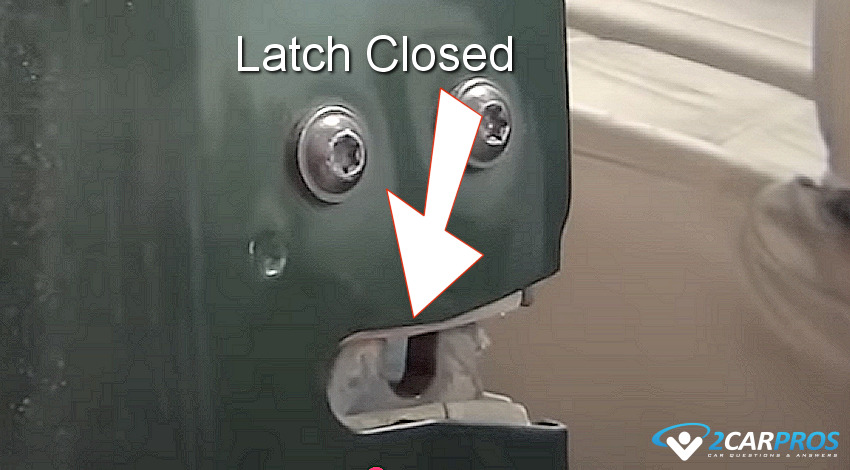
Occasionally, when a latch is opened it can have a rebound affect sometimes closing the latch just after being released. When you try to shut the door, it will bounce abruptly and then stay open. This is because the striker that is supposed to be inside of the latch clasp (pawl) is trapped outside and bounces off of the backside of the latch clasp.
2. Open Door Latch
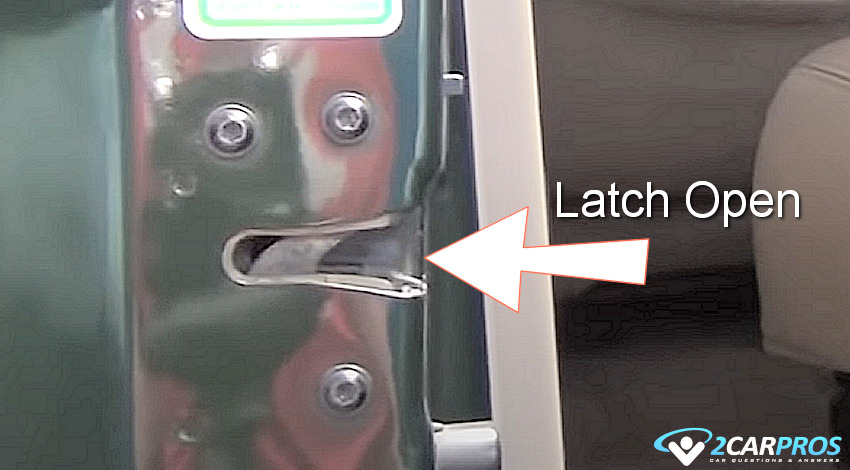
Use a screwdriver and insert it into the latch clasp opening while holding the door handle in the open position. Pull the screwdriver toward the car and outward from the door latch, this will reopen the latch. Once the door latch clasp has been released the door will return to normal working order. Close the door and reopen it to confirm the fix and you are all set.
3. Striker Misalignment
The door latch sticker sits in the door jam furthest away from the door hinge, and must be aligned with the latch to engage and disengage correctly. This alignment can be disturbed when the car door is over extended or forced upward or downward. Use a flashlight to check if the latch aligns with the striker when the door is nearly closed. The striker mounting bolts can be loosened and the location readjusted up, down, or in/out until it lines up correctly with the latch to regain the correct operation.
4. Stuck Handle
If the inner or outer door handle is stuck in the "open" position the latch will not close and hold the door shut, for this condition check to make sure both handles are in the "neutral closed position". You can use a lubricant like WD40 can help the handles operate freely.
5. Seat Belt
A seat belt hanging into the door jam is a common problem which will not allow the door to close, ensure nothing is obstructing the door frame area (such as seatbelts, wires, or clothing).
6. Weatherstrip Obstruction
Weather stripping is used to hold wind and water from the inside of the car, if this stripping comes loose it can hold the door open and not allow the latch to "Grab" the striker, with the door wide open inspect the door seal on both the door jam, and door body.
7. Latch Failure
On rare occasions the door latch itself can fall apart internally, in this case it is best to remove the door panel and replace the latch.
Conclusion
When dealing with a door not closing problem it is best to look at the door hinges, though not technically a cause for the latch not to work the door hinges are reasonable of holding the door in the correct locations for the latch to operate. If the door sags or moves excessively, inspect hinge pins and bushings for wear. By inspecting and adjusting the latch, striker, hinges, and internal mechanisms, you can resolve most door issues without professional help.
Watch the Video!
Please watch this video of the job being done to glean additional helpful information.
Credits
This guide knowledge base was created by the 2CarPros Team. If you have a car repair question, you can ask the 2CarPros community for help. Please visit our 2CarPros YouTube Channel for more helpful repair videos.