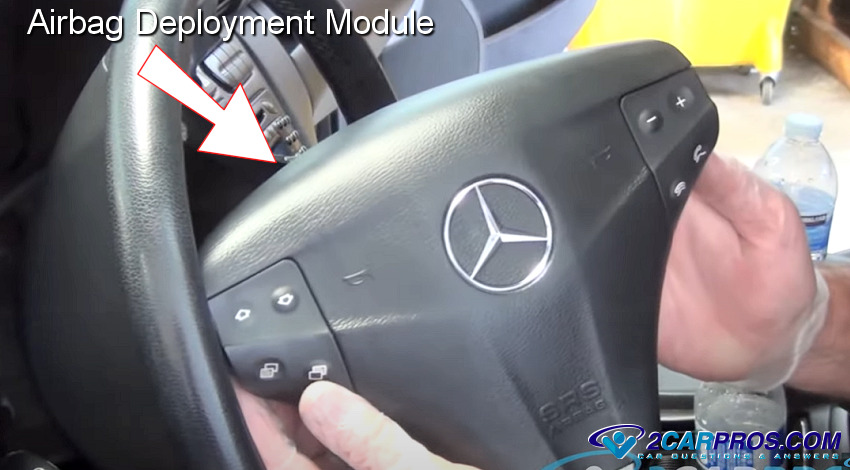
A steering wheel is designed to operate smoothly and not shake during the vehicle's operation. Shaking conditions can vary depending on vehicle speed, road conditions and whether the brakes are being applied or not, in this guide we help you find and repair the problem, this applies to EV's and gasoline cars alike.
Let's Jump In!
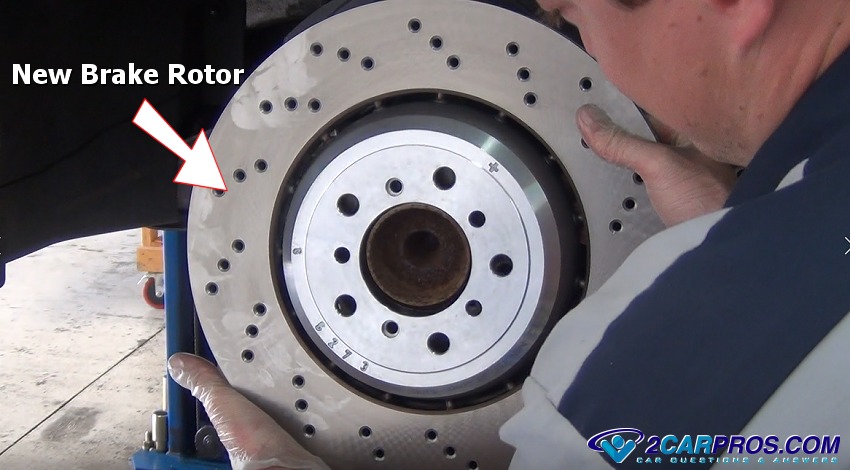
Brakes Applied: If the steering wheel shakes when the brakes are applied it means
the front brake rotors can be warped due to excessive heat from heavy braking or
normal wear. To check for this problem,
remove the tire and rotate
the brake rotor by hand, the rotor should move freely without hard spots, this problem
is easily fixed by
replacing the
front brake pads and rotors. For specific instructions on your car,
please ask one of our experts to help, it's free.
Slow Speeds, Brakes Not Applied: Tires are constructed in layers, when these layers become weak due to heat or over usage they can separate causing a bubble in the tire which manifests itself by causing the steering wheel to shake between 5 and 20 mph. To check for this, raise the front of the car and support it on jack stands. Then rotate the tire slowly while observing the tire tread, these bubbles are obvious and if discovered the tire must be replaced which will fix the problem.
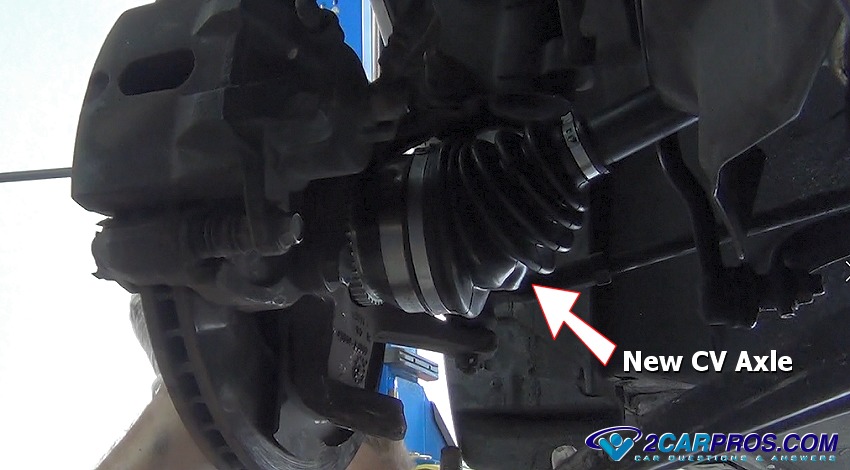
Slow Speeds While Turning: This issue is for front wheel drive cars only, there
are right and left side CV axles which drive the front wheels of your car, when
a CV joint starts to go out it will
try and lock up forcing the steering wheel to move back and forth until the wheel
is straight. To confirm this issue remove the CV axle to check the CV joints movement
capabilities, the joint should move freely in all directions and if not the
CV axle must be replaced.
Highway Speeds Brakes Not Applied: The rotational force of the vehicle's tires at highway speeds is significant, when the front tires are unbalanced it can cause the steering wheel to shake at about 60 mph. If the balance of the tire is okay we need to start looking at suspension components. This is easily done by raising the car up using a jack and stands while allowing the front tires to still be on the ground. With the ignition key on and the engine off, use a flashlight while having a helper jog the steering wheel back and forth, you are looking for excessive movement in the tie rod ends, upper and lower ball joints. These components should have little to no play or they must be replaced.
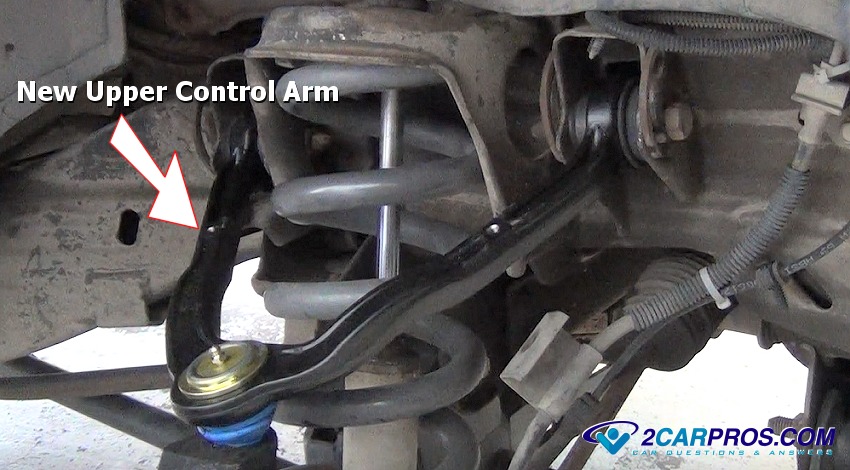
Bumpy Roads: Control arms are used to hold the spindle steady while the vehicle
is in motion. These arms are constructed with bushings and when they fail it allows
excessive movement causing a shake in the steering wheel. To check for this condition
raise the vehicle using stands
for safety and while using a flashlight inspect the rubber bushings where the
control arm attaches to the frame, if the rubber has started to bulge or is missing
the control arm must be
replaced.
Questions?
Our certified technicians are ready to answer steering wheel shaking questions for free. We hope you saved money and learned from this guide. We are creating a full set of car repair guides. Please subscribe to our 2CarPros YouTube channel and check back often for new videos which are uploaded regularly.
Article published 2022-03-09