How a Seat Safety Belt Works
Seat belts, also known as safety belts, are a safety feature that secures the
passenger in the vehicle seat in case of an accident. Seat belts are part of the
occupant restraint system that helps to avoid harmful movement of the passengers,
which could lead to injuries and also protects the occupants from being ejected
from the vehicle. Many seat belt designs have been developed for several different
applications. The most common safety belt is the three point seat belt found in
most cars. This belt is attached in three places; two mount near the rear of the
seat bottom and one towards the top of the side pillar.

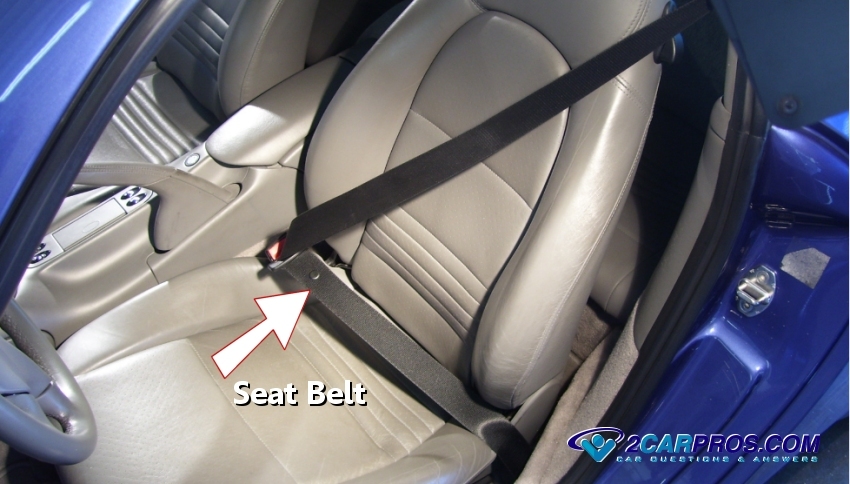
Car Safety BeltSafety belts are worn over the waist and shoulder and are usually automatically adjusted by a seat belt tension device. The Harness style of safety belts is worn diagonally over the chest. This five point harness seat belt is meant for children's car seats and racing applications. They provide extra safety and consist of two shoulder belts and a lap portion, which is connected to a belt between the legs.
Safety Belt Receptacle
Active Seat BeltsActive seat belts are also known as inertia belts. They increase their effectiveness by self-adjusting to the occupant in the event of an accident. This is done by tightening the belt instantly with the help of a piston, which is driven by expanding gas. In older non-airbag vehicles the belt is locked with the use of inertia to keep the belt from loosening. Active seat belts are triggered by sensors placed in the car, like the air bag system. The function of the web-clamps is to clamp the webbing as the webbing is tightened on the central drum, when the car encounters an accident. It is created with a special stitch which rips when it determines pressure. This functionality is useful when the occupant is trapped in a fire inside the car and the seat belt won't let go. The active seat belt concept combined with the three point seat belts produce a much safer vehicle.The seat belt light on the dashboard indicates when the seat belt has been fastened properly. A warning sound is also given for few seconds before the light switches off in most vehicles. A study has revealed that the occupants of a vehicle who wear seat belts, along with air bags safety systems will survive an accident better than the occupants of a vehicle that don't.If further technical assistance is needed, ask our team of certified car repair technicians.Related Car Repair Information

Car Safety BeltSafety belts are worn over the waist and shoulder and are usually automatically adjusted by a seat belt tension device. The Harness style of safety belts is worn diagonally over the chest. This five point harness seat belt is meant for children's car seats and racing applications. They provide extra safety and consist of two shoulder belts and a lap portion, which is connected to a belt between the legs.

Safety Belt Receptacle
Active Seat BeltsActive seat belts are also known as inertia belts. They increase their effectiveness by self-adjusting to the occupant in the event of an accident. This is done by tightening the belt instantly with the help of a piston, which is driven by expanding gas. In older non-airbag vehicles the belt is locked with the use of inertia to keep the belt from loosening. Active seat belts are triggered by sensors placed in the car, like the air bag system. The function of the web-clamps is to clamp the webbing as the webbing is tightened on the central drum, when the car encounters an accident. It is created with a special stitch which rips when it determines pressure. This functionality is useful when the occupant is trapped in a fire inside the car and the seat belt won't let go. The active seat belt concept combined with the three point seat belts produce a much safer vehicle.The seat belt light on the dashboard indicates when the seat belt has been fastened properly. A warning sound is also given for few seconds before the light switches off in most vehicles. A study has revealed that the occupants of a vehicle who wear seat belts, along with air bags safety systems will survive an accident better than the occupants of a vehicle that don't.If further technical assistance is needed, ask our team of certified car repair technicians.Related Car Repair Information