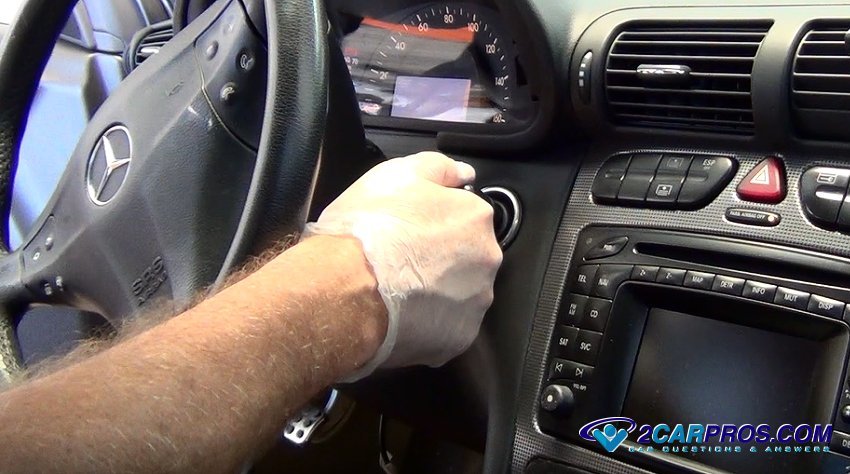
Description: An engine should start up and run in about 2 to 3 seconds of turning the ignition key to the crank over position, if not you have a hard starting condition. This guide will help by starting with simple fixes and conclude with the more difficult.
What goes wrong?
Normal wear and usage can cause a hard start condition due to lack of fuel pressure, poor intake air management, false readings to the car's computer or weak spark. Some of these repairs are simple and are included in the normal maintenance of the engine. This can sound complicated, but it really isn't, today's vehicles are easier than ever to repair thanks to the vehicle’s computer control system and basic troubleshooting methods.
What will it cost?
This amount will vary because of the range of variance between repairs. Some jobs are inexpensive such as a throttle bore service which will cost about $15.00 if done at home and it can go as high as $450.00 if a fuel pump is bad and replaced by a shop. Either way it's best to have an idea of what's wrong before you start the repair, or when you are taking your car in for repairs.
Popular Hard Starting Causes
- Torn air intake boot
- Weak fuel pump
- Dirty throttle bore
- Worn out spark plugs
- Bad engine temperature coolant sensor
- Low cylinder compression
- Check engine light
- Misreading MAF sensor
Let's get started
This guide pertains to most cars, configurations maybe slightly different but the process is the same.
The Easy Stuff
If you noticed the check engine or service engine soon light there maybe a trouble
code that will help us pinpoint the issue. First
run the codes and see what they pertain too, we can then troubleshoot and go
from there such as a lean mixture code which can point at a weak fuel pump, a bad
MAF sensor (mass air flow) or cracked air intake boot.
An engine vacuum leak
can cause extended crank times and low or rough idle and possibly a check engine
light. A visual inspection of all vacuum lines inside the engine bay you may discover
a broken, torn or dilapidated hose that needs replacing and for harder to find leak
a smoke tester can be used or when the engine is cold a can of carburetor cleaner
which will cause the engine to idle normal or speed up for a brief period.
Normal service items: Prolonged cranking can be caused by a dirty throttle bore
which can disrupt the airflow into the engine. The throttle actuator (throttle bore
on older vehicle - cable) is an electronic throttle control which will get a condition
called "coking" which is a kind of light tar like goo on the butterfly and its inner
body. This substance is due to the impurities in the air the engine consumes over
many miles. This simple service
can be done with minor tools, no parts are needed just a shop towel and a can of
carburetor cleaner which you can get at Amazon or any auto parts store.
Torn or cracked air intake boot or tube. The
air tube or boot is mounted between
the throttle bore and MAF sensor can be cracked allowing air to enter the engine
that is not monitored creating a
lean mixture. If this tube or boot is broken or torn it will alter reading
therefore feeding the computer false information causing an extended crank time
for the engine. To check for this problem remove the air intake tube and inspect
it, replace the worn, torn or broken parts as needed.
Some car and most trucks have a
fuel filter located between
the fuel pump and the engine and when this filter clogs it causes the pump to labor
causing low fuel pressure or slow to pressure the fuel rail allowing the injectors
to deliver too little fuel.
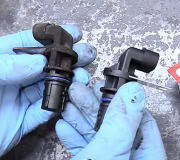
The engine's MAF sensor can cause a mixture issue and a slow to run condition
due to a contaminated internal sensor wire. Sometimes this can be cleaned by performing
a MAF service which involves minor
tools and can of MAF cleaner.
Engine's equipped with an idle air control motor (IAC - older cars) will need
to clean this valve much
like a throttle bore. To test for this before you turn the engine over rest your
foot on the gas pedal slightly to open the butterfly. This will bypass the idle
air control valve and allow the engine to start. If the engine starts by resting
your foot on the gas pedal remove the IAC and clean it, again no parts involved
just a shop towel and carburetor cleaner.
Slow to crank over: An engine needs a minimum cranking speed to start if the starter or battery is weak the engine cranking RPM will be low which causes the engine to build compression slower and make it harder to start. This can be caused by a weak battery or starter motor.
Intermediate Effort
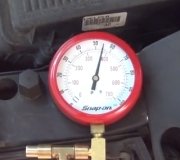
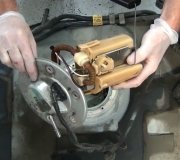
As a fuel pump ages the pressure provided can be less that adequate to run the
engine correctly. This can be tested
using a fuel
pressure gauge which can be obtained at your local auto parts store (for free
in most cases). Most fuel pressure systems will be between 45 and 60 psi. (port
injection) if found to be low the
fuel pump must be replaced.
Once a MAF sensor has been cleaned once it rarely helps twice, at this point
the MAF sensor should
be replaced, this can be confirmed by using a scan tool and reading the intake
air GPS (grams per second) between the new sensor and old.
Spark plugs are a normal maintenance item and if you have not replaced them and your car's odometer says over 50,000 miles, it's time. On most cars this job is simple and can be done within an hour or so, the only parts you need are the spark plugs which play a role on how the engine starts and runs. You can get these spark plugs from Amazon or an auto parts store.
Advanced Repairs
Typically on high mileage engines (200k to 300k) the pistons rings can wear causing low compression which increases crank time and causes low power. This is because the compression ratio is low and it takes momentum for the engine to gain enough speed to ignite the fuel air mixture. To check for this condition a compression test is needed, if the compression is 90 psi or lower the engine is worn out and to be more specific, the pistons rings no longer seal against the cylinder walls and need to be replaced. Basically you need to rebuild or get a rebuild engine, this video shows how to replace the piston rings and pistons.
Questions?
Our certified technicians are ready to answer engine hard starting questions for free. We hope you saved money and learned from this guide. We are creating a full set of car repair guides. Please subscribe to our 2CarPros YouTube channel and check back often for new videos which are uploaded regularly.
Article published 2022-03-11