
Introduction
Before embarking on any journey, it's a good idea to give your car a quick check to ensure everything is in order and there are no obvious issues that could cause problems on the road. This process is simple and can be done using a flashlight along with this guide to help spot any potential concerns that should be addressed before you set off.
Safety Inspection
1. Check Engine Oil Level: Your engine relies on a proper amount of engine oil which is important to keep the engine running smoothly.
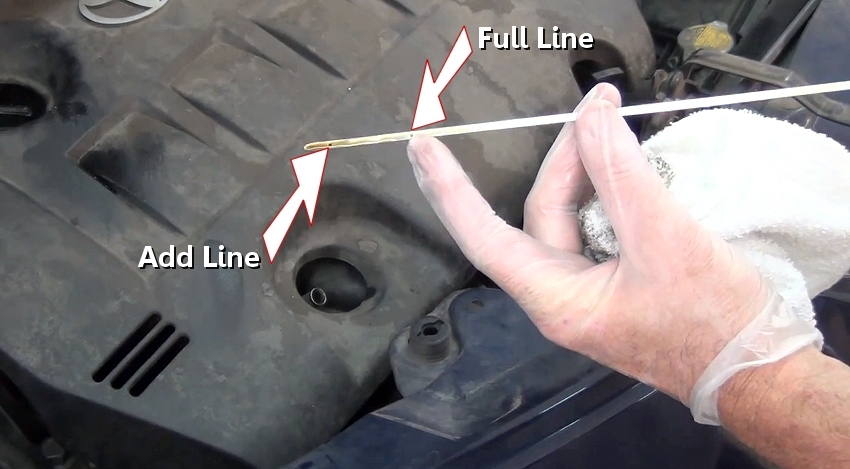
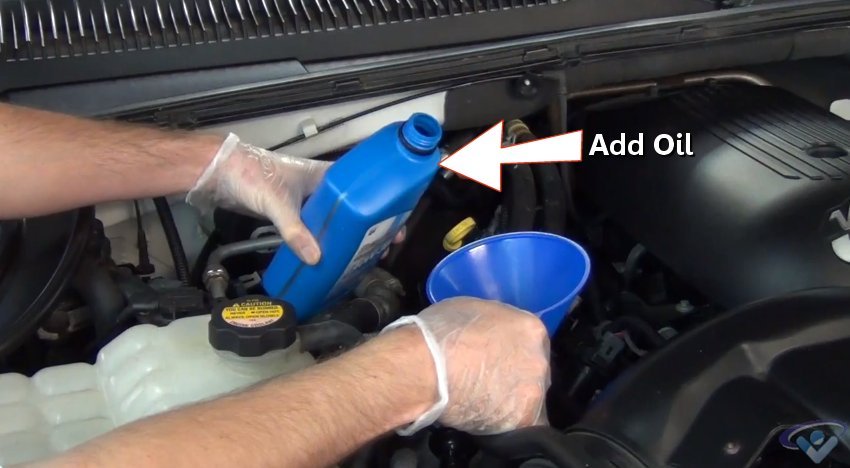
2. Engine Oil Change: If engine service is overdue (dark oil on stick), perform an oil change including the filter, check the engine oil level and add until between the "ADD" and "FULL" indicators of the dipstick.
3. Wiper Blade Inspection: Wiper blades are needed to clean the windshield free from water and debris, inspect wipers for cracks or degradation, they should also sit firmly on the windshield to help eliminate streaks. Wiper blades are a normal maintenance item and should be replaced regularly, visit wiper blade replacement guide for further information.
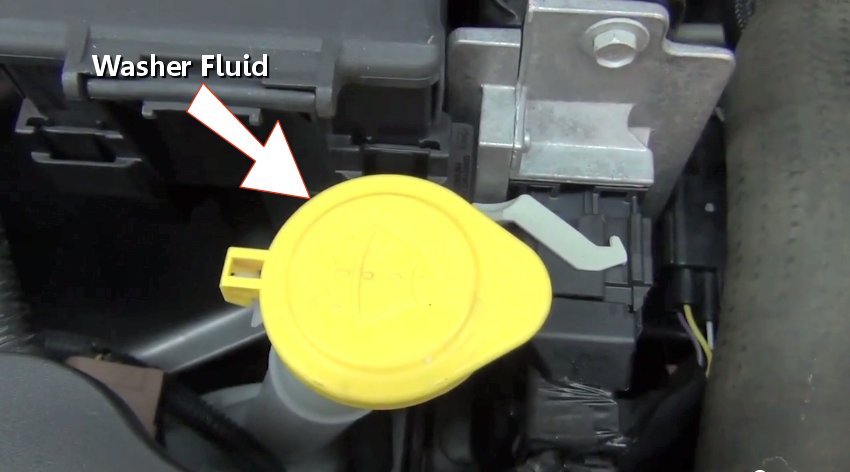
4. Check Washer Fluid Level: Washer fluid (solvent) is used to help clear the windshield of dirt and debris with the assistance of the wipers, inspect the level of the washer solvent and add if needed.
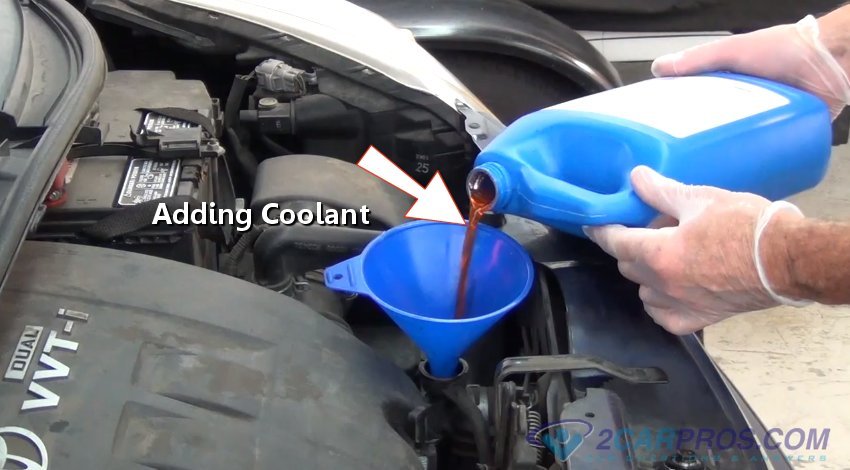
5. Check Coolant Level: This is done when the engine is cold only! Coolant is used to transfer engine heat to the radiator, and to help avoid expansion inside the engine block in freezing temperatures which will cause serious damage. If coolant is weak, corrosion causing acids can form which will cause water pump and gasket failures. Service the cooling system at regular intervals to avoid the negative effects of neglect.
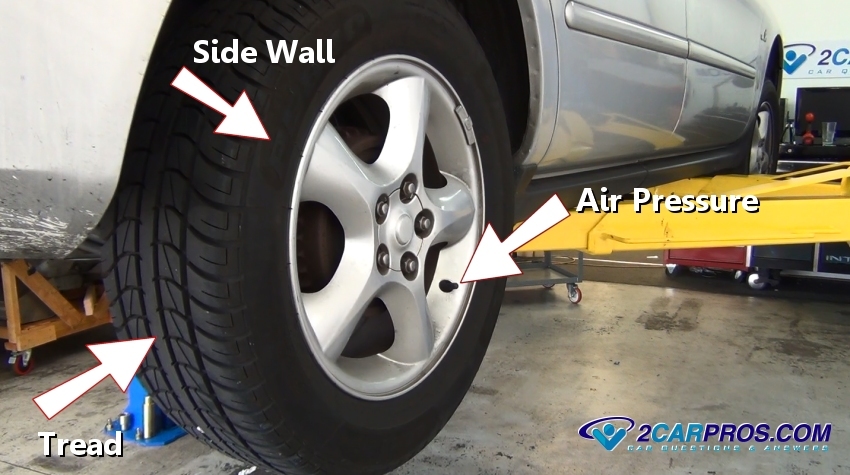
6. Tire Inspection: Good tire condition is essential for driving in wet and icy
roads, start by inspecting side walls for cracking and also check the
air pressure readings.
Additionally, inspect tire tread wear patterns
for scalloping which can indicate additional problems such as shock or strut wear.
Tires should have at least 5/32” of tread, snow tires should be installed when needed,
check the spare tire as well and carry chains in snowy conditions.
7. Battery Inspection: In winter months an automotive battery is prone to failure due to the drop in temperature. To avoid battery problems perform a load test which will detect failure, replace the battery if weak, also inspect and clean the battery terminals if corroded. A battery's life is limited, and should be replaced regardless of performance about every five years.
8. Exterior Light Inspection:
- Check the headlight operation including lens clarity, replace headlamp bulbs with new as needed.
- Brake lights are used to warn drivers of an anticipated vehicle stop, beyond normal lighting systems the brake lights represent a safety issue.
- Turn indicators help warn of an intended lane change, check their operation by turning the ignition key to the "on" position, work the lever in each direction while observing bulb operation and replace blinker bulbs as needed.
9. Serpentine Belt Inspection: The serpentine drive belt is needed for the engine to operate correctly, using a flashlight inspect the belt for cracks and glazing. Replaced the belt when signs of wear are present, please visit serpentine belt replacement for further information.
10. Transmission Fluid Level Check: Use your flashlight to inspect the bottom of the transmission, if no leaks are present the fluid level is probable okay.
11. Power Steering Fluid: Power steering fluid is used to assist the steering pump, check fluid levels to ensure proper operation, if the fluid smells burnt or is discolored service the system by performing a power steering fluid flush.
12. Instrument Cluster Warning Lights: The warning inductor lights inside the instrument cluster should be dealt with before long trips such as:
- Check Engine Light: Problem with the drivetrain such as an engine misfire
- Brake Warning Light: Problem with the brake system such as low fluid.
- ABS System Warning Light: Problem with the anti-skid control such as a bad wheel speed sensor.
- Oil Pressure Light: Means the engine has low oil pressure.
- Battery Light: Means the alternator is not charging the battery which will go dead during your trip.
- Airbag Warning Light: This means the safety system is dissemble and will not work in the event of an accident.
- Engine Overheating Light: The means the engine is overheating and should be shut off.
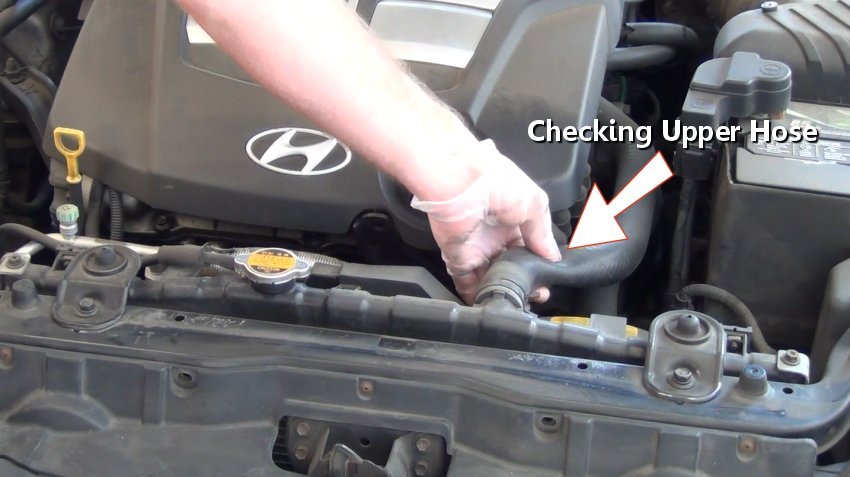
13. Engine Cooling System: Lift the hood and use your flashlight to inspect the engine cooling hoses and the condition of the radiator, you are checking for cracking, weak spots or bulging, these are all signs the hoses need to be replaced. Please visit radiator hose replacement guide for more information.
Conclusion
Keep a first aid kit, blanket, bottled water, food snacks, basic tool kit and road flares handy during long trips if and when the vehicle becomes disabled. In snow, sand or kitty litter can help the vehicle gain traction by applying these substances at the drive wheels, a small shovel can be also used to dig deep snow away from the vehicle’s tires.
Watch the Video!
Please watch this video of the job being done to glean additional helpful information.
Credits
This guide knowledge base was created by the 2CarPros Team, and by Ken Lavacot: Automobile repair shop owner and certified master automobile technician of over 30 years. If you have question or need help please ask one of our experts we are happy to help. Please visit our 2CarPros YouTube Channel for additional car repairs.
Article published 2024-10-08
Code Read Retrieval/Clear Scion

How to Read Codes
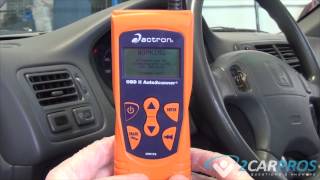
Code Read Retrieval/Clear Honda