Definition: An engine hesitation is an interruption of continuous power
during acceleration. When a engine is hesitating it will cause the car to lunge
or surge during acceleration which will cause a sudden jerk as the car slows
down. This condition can cause dangerous situations in heavy traffic when
drivers behind you expect you to move continuously forward. An engine hesitation
can be difficult to detect because as the engine is running under power you have
to decide if the engine is shutting off for a split second or if the engine is
just losing power temporarily. If your engine stalls and then restarts please
visit,
why does my engine
cut out. Please note that while an engine is hesitating it could cause
damage to other components. Example: When an engine hesitates is will lose power
then re-gain power quickly, this adds stress to the vehicles derive train and
could cause premature failure. There are several systems are involved that can
cause engine hesitation. We have listed some common reasons for engine
hesitation
Step 1 -
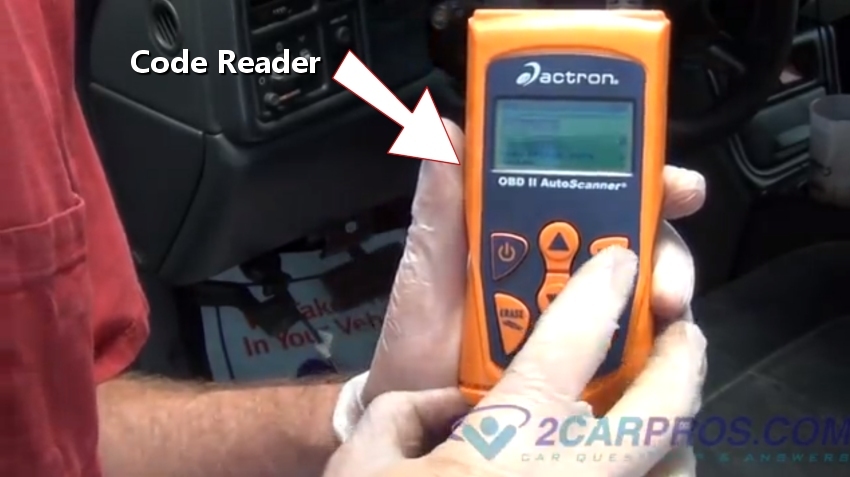
Scan for Trouble Codes - Check to see if the "service engine soon" light
is on, if not continue to the next step. If the "check engine" (same thing as
a service engine soon light, different manufactures call it different things)
light is illuminated you need to
scanned
for trouble codes. Use a simple
scanner tool to retrieve
trouble codes and check if they relate to the specific problem, like a
fuel pump circuit failure code. If a
trouble code is present but does not pertain to the immediate problem like
an EVAP code ignore it until a later time, after the engine is running properly.
The reason we repair non-related codes after the engine is running properly
is because sometime false codes can be triggered by a poorly running engine.
Once the engine is running properly the code present might cycle and turn itself
off. You might say "if the engine isn't running right shouldn't it have a check
engine light and a trouble code?" Sometimes conditions occur that will not be
detected by the computer, example: if the intake or exhaust valve operation
fails the computer cannot detect the failure because the problem is not sensor
related, so the engine has no power and the computer thinks everything is ok
with no codes. If the trouble code retrieved relates to a low power like a
Mass Air Flow (MAF) sensor or ignition coil system failure repair these
problems and re-test system. If no trouble codes are present proceed to the
next step.
Step 2 -
Check the Air Filter - A plugged air filter will not allow the proper amount
of air into the engine. If air is not allowed to enter the engine's intake it
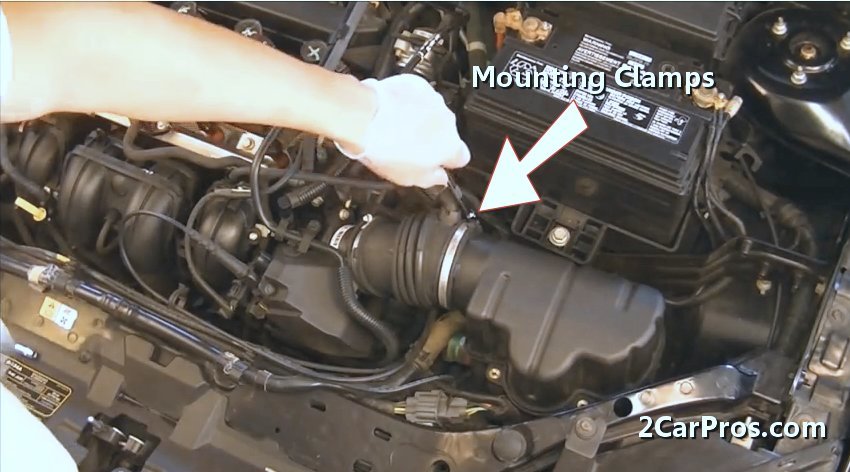
will can cause the engine to hesitate. To check your engine air filter open
the hood and remove the
air filter from its housing and inspect, replace as needed and recheck.
Step 3 -
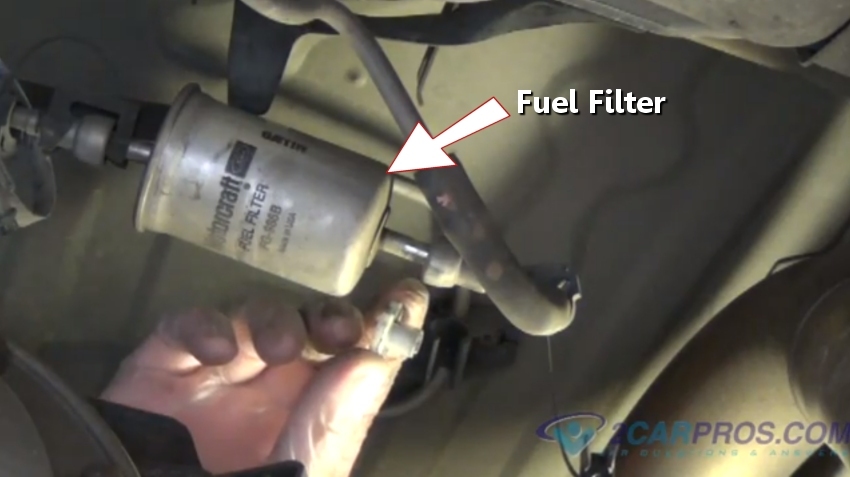
Check the Fuel Filter - Several conditions can cause engine hesitation,
one of the most common reasons is a clogged fuel filter not allowing the proper
amount of fuel pressure and volume into the fuel injection system. To
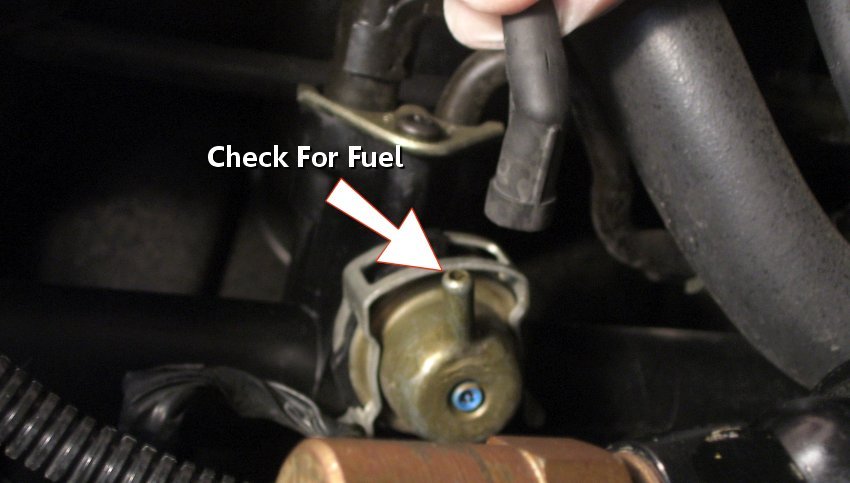
check for this condition remove the fuel filter and drain excess fuel from the
filter, next wipe any excess fuel from the filter. By blowing through the filter
you can determine if the filter is clogged, you should be able to blow through
it very easily. If you cannot blow through it or it is difficult replace the
fuel
filter with a new unit and recheck system. Some fuel filters utilize a special
release tool available at tool store:
Fuel filter release tool, if the fuel filter is ok proceed to the next step.
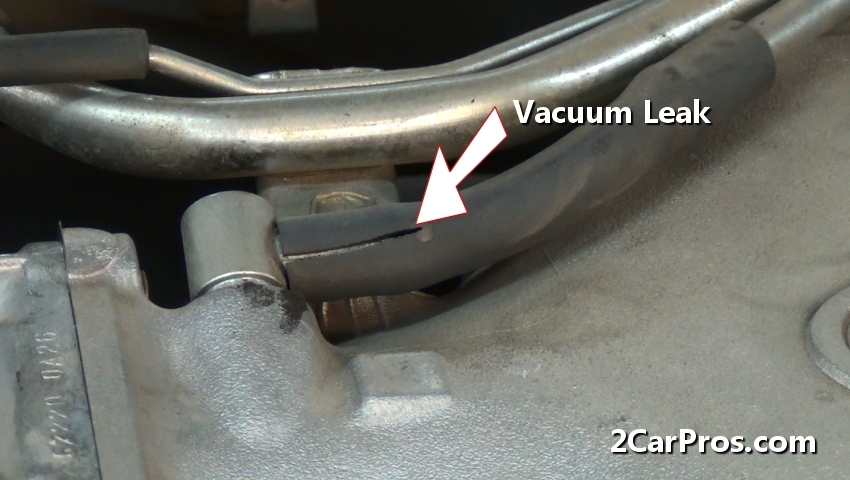
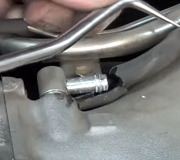
Step 4 - Check for broken or dilapidated vacuum hoses or
air intake boot on and around the engine, your car's
engine is designed to run on a system that can hold vacuum. Vacuum hose
are typically connected to the engine intake manifold and will supply engine
vacuum to various accessories like power brakes. Some cars are designed with
a larger vacuum transfer hose that connects the intake manifold to the
IAC (idle air control) motor. If broken or dilapidated these vacuum lines
can cause the engine to lose vacuum which will allow the
engine to run rough and stall. Inspect all engine and accessory vacuum lines
look for missing, torn or dilapidated lines and replace as needed. Also have
a helper rest their foot on the gas pedal just enough to keep the engine running
and double check the engine when it is running to listen for any whistling noise
coming from the engine that is not usually present. Follow the noise and inspect
vacuum lines in that area, also when the engine is running it will pull inward
a broken or weak piece of the hose to create a larger vacuum leak. Check the
integrity of all vacuum hoses at each end of the hose, typically this is where
a vacuum hose fails. If all vacuum hoses check "ok" proceed to the next step.
Failed Air Intake Boot
Step 5 -
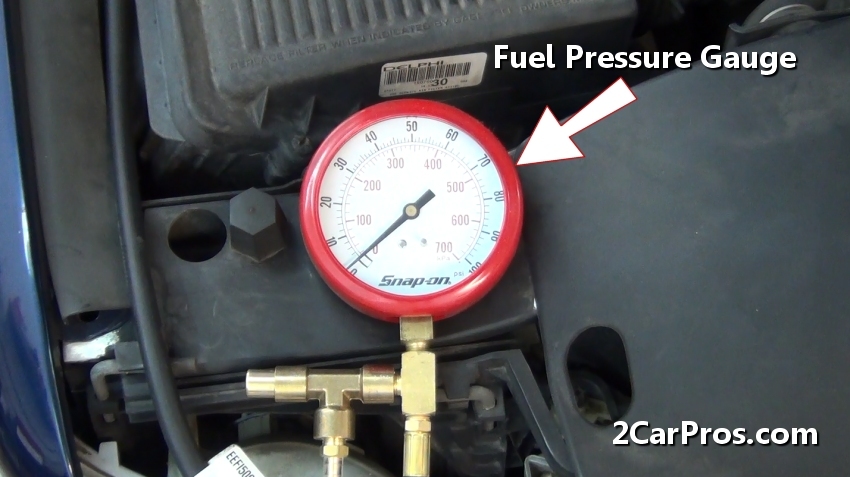
Check Fuel Pump Pressure and Pressure Regulator - Fuel pump is worn
providing low fuel pressure to the fuel injection system. A fuel pump that
is faltering, providing low system fuel pressure/volume will cause
hesitation. Your car's engine
depends on constant fuel under pressure to supply the
fuel injection system properly. Your car's
fuel pump performs this action and is located in or near the gas tank. The
injection system meters fuel through the injectors and into the engine. Many
engine run drivabilityproblems can be related to a weak or failing fuel pump. Problems
can range from hard starting in the morning, low power and stalling while driving.
Most vehicles have a fuel pressure test port somewhere on the fuel rail, use
a flashlight to locate it on your engine or consult a
car repair manual. Also test the fuel pressure regulator performance; if
the regulator is stuck or leaking the engine will not receive the additional fuel needed
for power. If the fuel system pressure is ok proceed to the next step.
Fuel Injection Pressure and Pressure Regulator Test
Step 6 - This step is for adjustable distributor type
ignition systems only. If your car has a DIS (distributor-less ignition
system) skip this step. Ignition timing is very important in achieving maximum
power from your engine with a hesitation. If the timing is adjusted too far retarded (behind the
timing mark) in relationship to the engine crankshaft it will cause an engine
to hesitate. To check your engines timing adjustment a timing light is needed.
Once the timing light is hooked up to the
battery locate the under hood emissions sticker that includes the engine
timing specification and instructions. If you can't find the under hood sticker
or it is illegible consult a
car repair manual. If the engine timing is ok proceed to the next step.
If the engine timing is way off (20 degrees or more) check the
timing belt or
timing chain, the crankshaft/camshaft correlation might be off.
Engine Configuration with Camshaft Operation
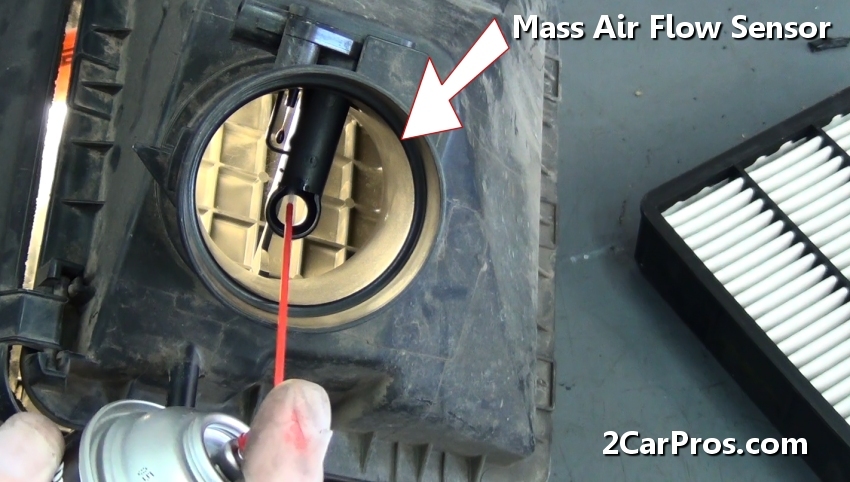
Step 7 - Checking the MAF, (mass
air flow) and MAP (manifold absolute pressure) sensors. The MAF or MAP help
the ECM/PCM determine how much air the engine is consuming and distributes the
proper amount of fuel. If these sensors become weak they can misread and cause
the ECM/PCM to think the engine is turning slower than it is, in turn giving
the engine less fuel and producing a hesitation. You might say wouldn't the computer
see a problem and illuminate the service engine soon light? - MIL (malfunction
inductor lamp) and the answer is not always. The
computer ECM/PCM is designed to detect a shorted sensor or a sensor that
is way out range. If the sensor is a little off but it is still within range the
service engine soon MIL will not illuminate. This test procedure is simple but
unique to each car, for this you will need a
car repair manual.
Step 8 - Check for severely worn or misadjusted spark plugs.
An engine timing is crucial to power output, if the spark plugs are severely
worn or have a misadjusted air gap the timing of the spark can be delayed or
ineffective. To
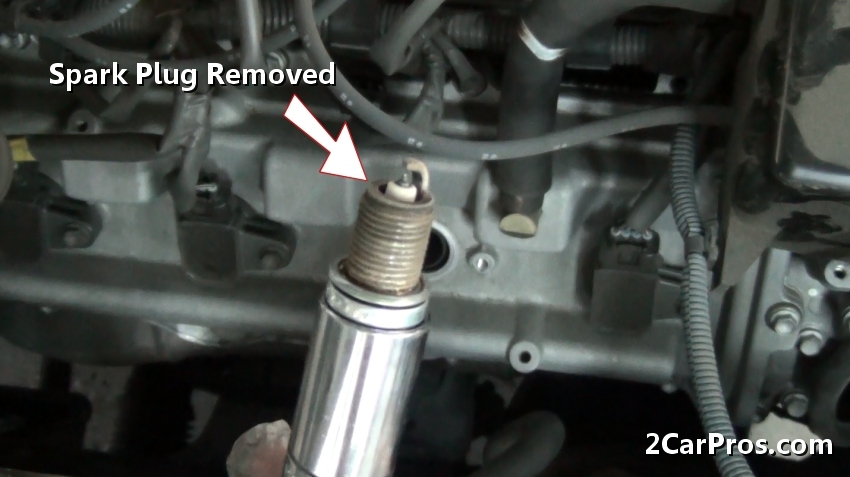
check your engine's spark plugs wait until the engine is cold, then remove
any spark plug and inspect. You are looking for the correct air gap between
the electrodes, if the gap is incorrect remove all
spark plugs and recheck. If the spark plugs are ok proceed to next step.
Step 9 - Check the
timing belt or
timing chain setting, the crankshaft and camshaft must stay in proper correlation.
If this correlation is off the engine will hesitate. The procedure for
checking crankshaft to camshaft correlation varies on each car. You will need to gain access to
the timing belt or chain marks. Once you have gained access check your timing
marks here,
timing belt or
timing chain setting. Correct as needed and recheck engine, if the timing
correlation is correct proceed to next step.
Step 10 - Sometimes the engine will have good power but
it is not getting to the drive wheels. If you are driving and the engine sounds
like it is working hard but the car is not going anywhere it could be the transmission
clutch or clutches are slipping. When a clutch or clutches in a manual (standard)
or automatic transmission wear they can slip not allowing the power from the
engine to be transferred to the drive wheels and be lost due to lack of friction.
In this case the only fix is to replace the clutch or clutches depending on
automatic or standard transmission. If this is not the condition continue to
next step.
Step 11 - Some cars have an ignition trigger system that
bases the engine timing off of the crankshaft harmonic balancer. If this
balancer comes loose is can cause the keyway in the crankshaft to dig its
way into the balancer causing the timing to retard which will cause engine
hesitation. To check for this condition
remove the harmonic balancer and inspect, replace if needed and reassemble.
For exact specific repair procedures for any of the steps above visit our
online car repair
manual page.
WARNING! Always have the vehicle under inspection on level
ground, in park with the emergency brake on. Always wear protective eyewear, gloves
and necessary clothing before inspection or work begins. Never crank an engine over
when anyone is near the battery or engine. Always have an operational fire extinguisher
close by, obey all first aid instructions in the event of an injury. Never stand
in front or behind a vehicle when starting or running. When engine is cranked over
keep hands and clothing away from rotating components. Anyone with a heart pacemaker
should not perform these tests.
ASK CAR REPAIR QUESTIONS -
Join our question and answer forum where thousands of free auto repair questions
are answered every month, after you have completed our free signup you will able
to ask a question and receive an answer from one of our many forum members. If you
elect to donate any small amount of money we will assign one of our 2CarPros Certified
Repair Technicians to answer your question. Questions with donations are answered
promptly and 100% of the donation is awarded to the technician helping you.
GET ONLINE
CAR REPAIR MANUALS
- Get instant access to your vehicles wiring diagrams, firing orders, component
locator, vacuum diagrams, repair procedures, specific testing and diagnostics for
troubleshooting, steering and suspension information, heating and air-conditioning
problems, safety belt and airbag restraint repair, factory bulletins and general
information and much more. We recommend that anyone needing technical repair information
should have a quality auto repair manual for their car.