Free Car Repair Advice by Certified ASE Technicians
How
Does it Work /
Heater
How a Car Heater Works
Before trying to fix your car’s heater, you should understand
how your car’s heater system works. On this page, an explanation of how your car’s heater system functions,
and then, further down, some pointers on heater system trouble-shooting. A car heater
is designed to warm the passenger cabin of your car; this system makes use of excess
heat from the engine’s internal combustion process. A car’s engine, in fact, when
in operation produces so much excess heat that if excess heat is not removed, it
would destroy the engine. It is your
car’s
cooling
system that removes the excess heat; some of an engine’s excess heat is released
through the exhaust system. Most of
the rest of an engine’s excess heat is absorbed by a circulating liquid coolant,
a mix of water and antifreeze. The
heated liquid coolant is carried from the engine through the hoses to the
radiator,
which transfers the heat from the coolant to the outside air through a convection
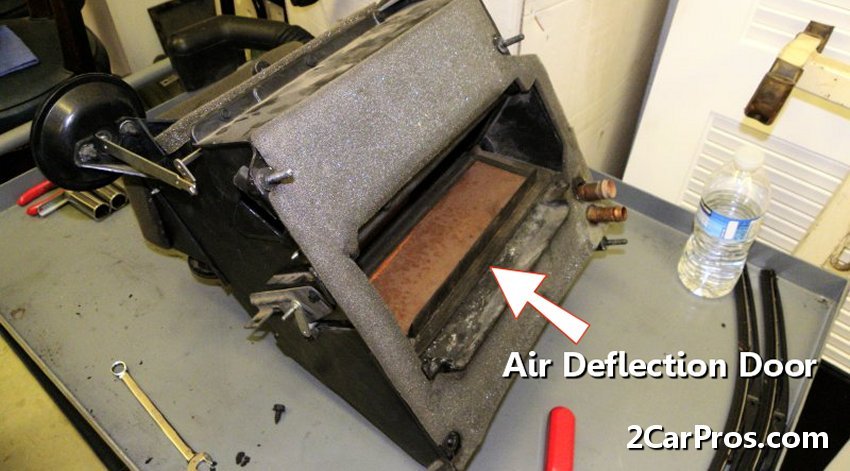
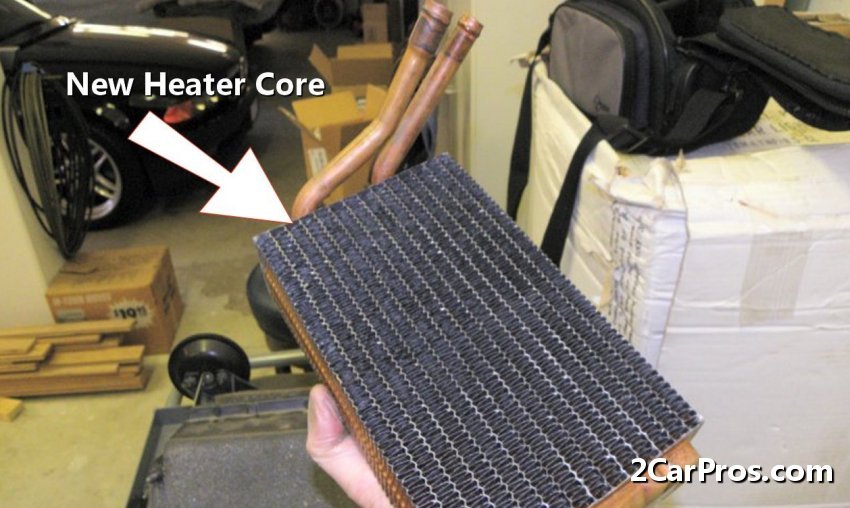
process. The heater core in your car is similar to the radiator in the front of your car;
in fact it looks like a small radiator. The difference is the heater is mounted
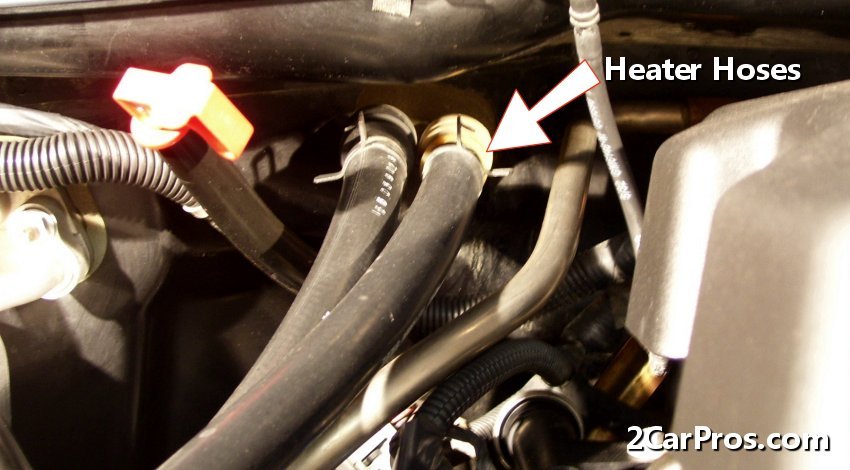
inside the car and air is blown through the fins of the core. The heater hoses transfer
engine coolant to the heater core, this allows the heat from the engine coolant
to be utilized and warm the passenger compartment air. The heat transferred lowers
the temperature of the liquid coolant, which is then circulated back to the engine
to absorb excess heat again, a continuous system. Whereas the radiator is located
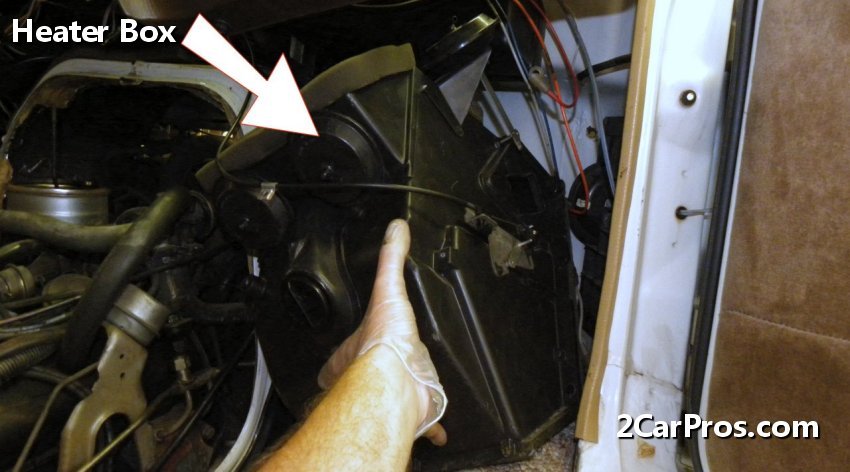
at your car’s front grill, the unit that transfers heat to the passenger cabin (heater
core) is located inside the dashboard.
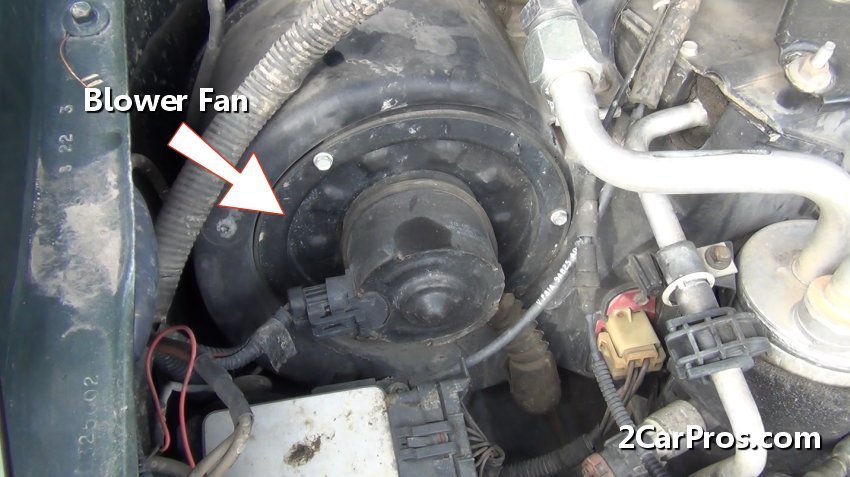
This unit, something of a mini-radiator, is referred to as the heater core.
Heated liquid coolant circulates through tubes in the heater core, and a
heater fan blowing across those tubes, as well as through little fins encasing the
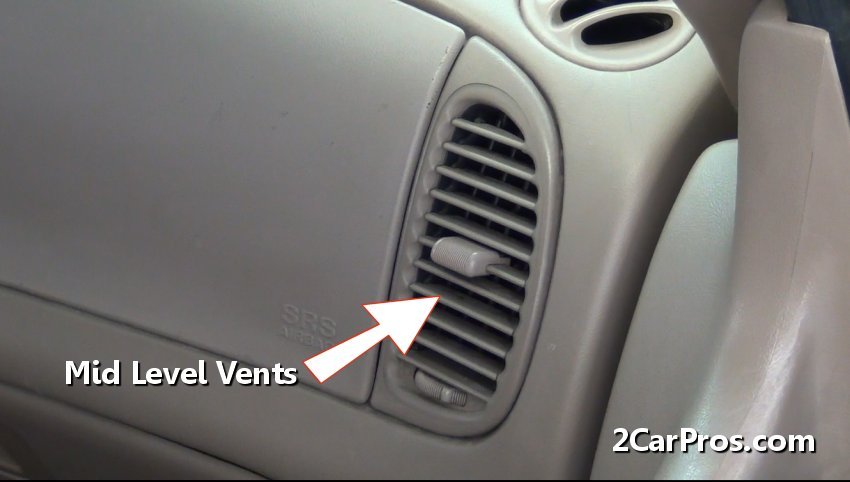
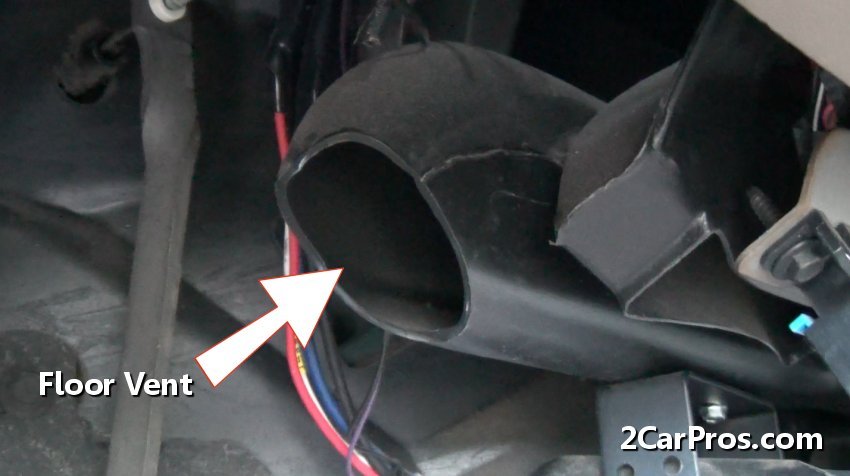
tubes, directs warmth through the heating vents into your car’s passenger cabin.

Heater Core
Heater Problems
Because your car’s heating system works off of the
cooling
system, sometimes, heating system malfunctions are caused by problems in the cooling system. One of the first things to check
when your car heater is not
working is your
engine coolant. If there
is too little coolant in your car’s cooling system, the heater will not be able
to produce adequate heat. In any event,
to keep your car running optimally, you should regularly check the coolant level.
For safety reasons, this absolutely must be done only when the engine is
completely cooled down. This safety
point cannot be over-emphasized. Opening
the cooling system of a hot engine presents a terrible burn hazard, as the fluid
in your car’s cooling system is dangerously hot and pressurized when the car has
been in operation. It is best to let
the car cool overnight before inspecting the coolant level. Most cars have coolant reservoirs with opaque white plastic
tanks and measuring lines allowing you to see if the coolant is at the recommended
level. Coolant expands when heated,
and for that reason, most coolant reservoirs have a Full-Cold and a Full-Hot line.
If there is too little coolant in the
reservoir, you should be alert to the possibility that there could be a leak somewhere
in your car’s cooling system, but you may nonetheless remove the reservoir cap and
add coolant to the Full-Cold line.
Obviously, if a very short time after you refill the coolant reservoir, the coolant
level is low, there is a
leak in your car’s cooling system. Many points in your car’s cooling system are liable to develop
leaks through which coolant can escape.
Too little coolant in the cooling system will result in a malfunctioning heater. To
inspect for a leak in your car’s cooling system, you should understand that the
main physical components involved in the
cooling
system 1)
engine block
2) thermostat
3) the upper and lower hoses leading respectively into and away from the 4) radiator;
5) the radiator cap; 6) the radiator fan; 7) the water pump and, going from the
engine block towards the passenger cabin; 8) the heater core and its associated
hoses and fan.
A leak in the heater core occurs most often in escaped coolant
on the front passenger-side floor of the passenger cabin.
Most automobile antifreezes are either green or red, though
they might also be another color, and that despite a sweet smell they are toxic
and should never be ingested. Particular care must be taken to dispose of
used coolant properly, as the
sweet smell can attract children and pets, and disposing of used coolant at random
contaminates the environment.
The best way to repair a leaking heater core is to replace the core. Even more common than a leaking heater core, however, are leaking
heater core hoses.

Car Heater Hoses
The heater hoses are held in place by spring loaded hose clamps and can be removed
with the proper tool. Visible signs of
leakage are the most obvious indicator of heater hose leaks, but you should also
physically inspect the hoses for signs of deterioration.
Squeezing one hose at a time, you should feel that the hose is soft and flexible.
There should not be any irregular bulges in the hoses.
You should not feel any dry rot, which manifests as brittleness and/or cracking
or weaknesses in the hoses. If you detect any of these conditions the hoses must be
replaced. Consult your owner’s manual, as it will likely have details
specific to your car’s heating system.
Before you replace any hoses measure the length and diameter of your old hoses so you will know the size your new ones must be.
Many cars use three different sizes of heater hoses; the standard diameters
are 1/2”, 5/8” and 3/4”. When removing
the old hoses, take care not to use any yanking or turning motion that could damage
the heater core. Repair technicians often score
the old hoses open with a blade and then gradually coax them loose before removing
them.
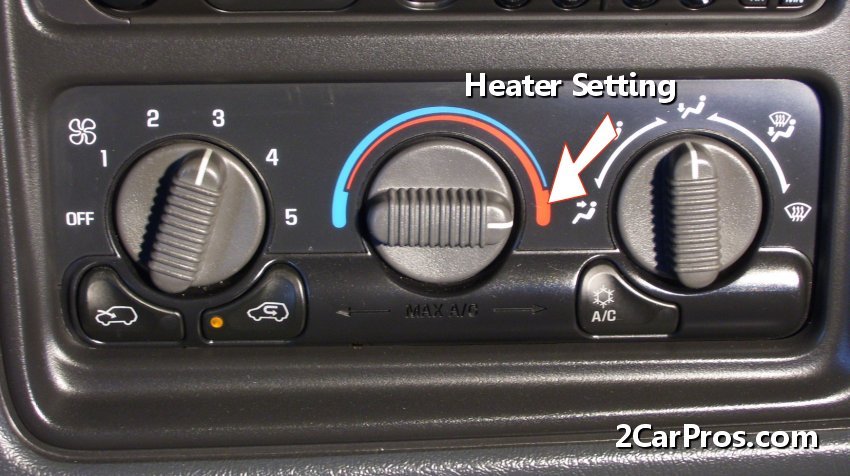
Controlling the heater
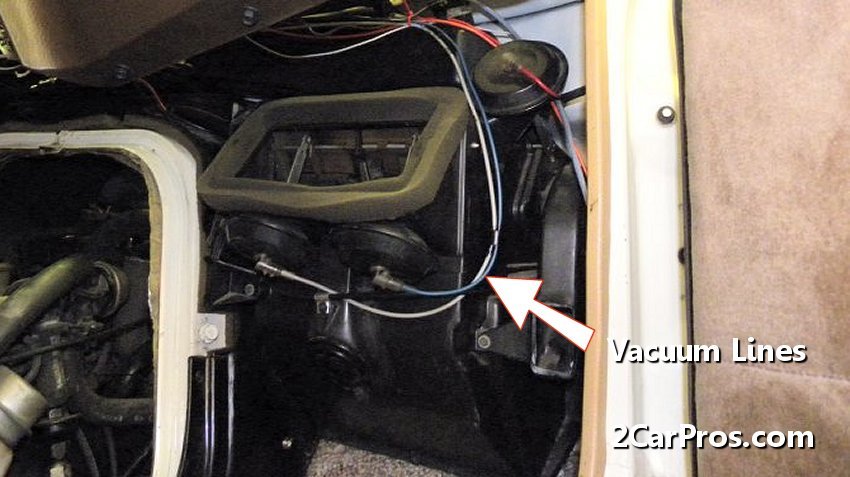
system varies in most cars, but primarily there are two designs,
the first design is the "manual control system", which constantly requires
manual adjustment from the driver to maintain
the desired temperature. And the automatic temperature control system which is a computerized management system, this
system can keep the cabin at a selected temperature or split the set temperature
from the driver or passenger side compartments. When a heater core fails it can leak coolant inside the car on the driver or
passenger side floor board. Replacing a heater core is different on every vehicle,
for the exact procedure consult a
repair manual.
Replacement can vary from undoing 5 screws and replace it, to the " they started
with the heater core, then, built the rest of the car" kind of job which removing
the entire dash is not unheard of and can take many hours. A heater control
valve is used to stop the coolant from flowing into the heater core when the
heater system is off or the air conditioner is turned on. When the engine is cold the
heater will not work a heater core must have heated engine coolant to work.

Heater Control Valve
Common Problems
- When a vehicle is low on coolant it can cause the
heater
to stop functioning.
- When the car is running you can hear bubbles flowing through the heater
core, (like a fish tank) this is due to air becoming trapped inside the heater
core, in time the air should dissipate to silence the noise.
How Does it Work
/ Heater
Check Manufacturer Specific Heater
Questions and Answers
Related Subjects
Got a Car Repair Question
we will answer it for FREE!
GET A
REPAIR MANUAL
FOR YOUR CAR. Get instant access to your vehicles drive belt routing,
wiring diagrams, trouble code information and other available updates and factory
bulletins.
|