This type of binding, the way you described it, can not be caused by ball joints or tie rod ends. The bearings in the upper strut mounting plates can bind, but again, not in this way. While very uncommon, the only way the rack and pinion assembly can do this is if one of the front wheels was slid sideways, pretty hard, into a curb. Even that doesn't put the biggest stress on the steering gear. There would be other, much more significant damage. The only other way for the steering gear to do this is if something is coming apart inside it, and that almost always is accompanied by fluid leakage.
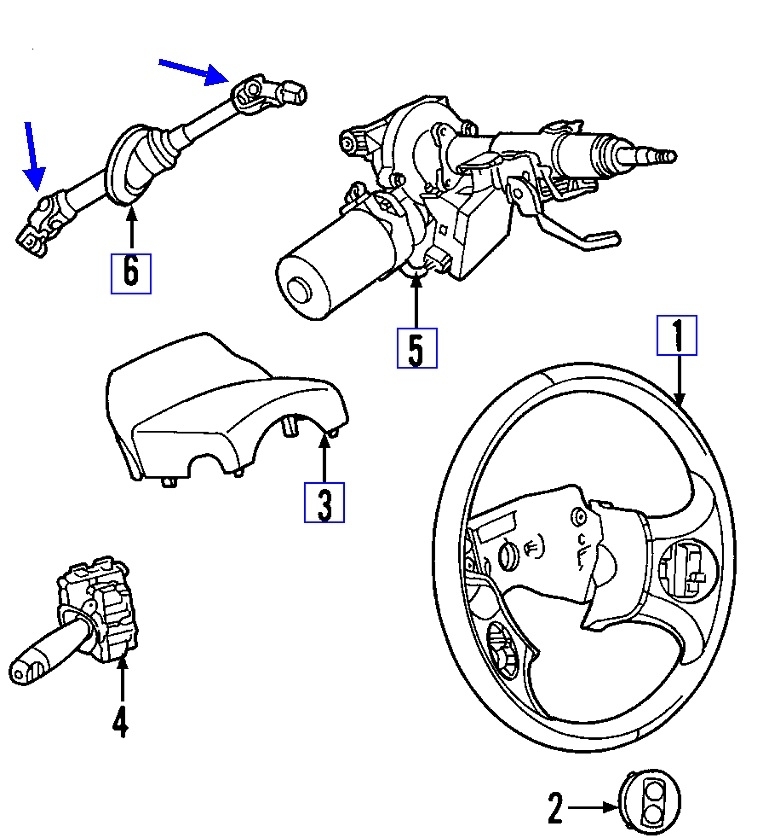
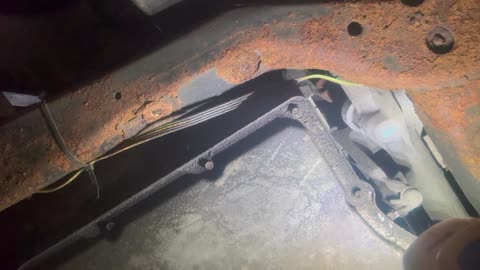
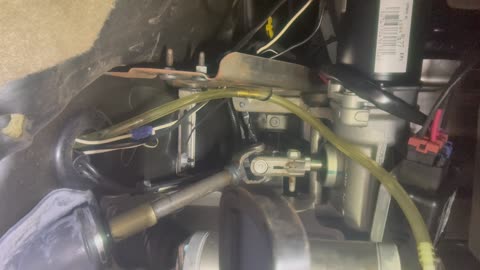
I'm still leaning toward the steering shaft. First, look for rust-colored stains around one of the universal joints. That indicates a cup and bearing that has failed. Next would be to disconnect that shaft on one end so you can rotate the joints easily. One of the joints can have a tight spot with no looseness, it can be sloppy but with no tight spot. What is most common is to have both in one joint.
Be aware that when you disconnect the shaft, it is imperative the steering wheel is not rotated without the corresponding rotation in the steering gear. The safest is to begin with the wheels straight ahead. Then, if you have to rotate the steering wheel a little to get access to a pinch bolt, keep track of which way you turned it so you can put it back the same way. By starting out straight ahead, you're free to rotate the steering wheel and shaft one revolution either way to check the joints, but again, bring it back to center the same way. During this time when the shaft is disconnected, do not rotate the steering wheel more than one revolution either way.
The reason for this is to ensure a solid wiring connection to the air bag, they can't rely on a sliding contact like we did for decades with horn circuits. Instead, a wound-up ribbon cable is used inside a plastic housing that sits right under the steering wheel. (That's called the "clock spring"). That ribbon cable is just the right length so it can wind up leaving a little slack when you turn fully one way, and it can unwind without folding over on itself when turning fully the other way. You're prevented from exceeding those limits by the end of travel each way of the steering gear. With the gear disconnected, those safeguards are gone. Now, turning the steering wheel too many turns one way will tear the ribbon cable, resulting in an instant "Air Bag" warning light and the system will turn itself off. Turning the steering wheel too many turns the other way will cause the ribbon cable to fully unwind, then fold over on itself on one end. If reassembled that way, that folding over will occur each time you turn fully that way, and will result in the cable breaking after days or weeks.
To boil this all down, just be careful to keep the shaft and steering gear in sync when you reattach the shaft. If you have to remove the shaft to inspect or replace it, I like to run a rubber strap through the steering wheel so it can't rotate on its own. On a lot of cars, steering wheels have a heavy spot on top. When the shaft is disconnected and you let go of the steering wheel, it will spin half a revolution on its own due to gravity. If that occurs while you're not there, you can't know which way to spin it back to the upright / straight ahead position. That leaves you with a 50 percent chance of getting it right.
Aug 21, 2025 at 2:16 PM