Every vehicle must incorporate a steering mechanism which can direct the front
wheels in both right, and left directions. This is achieved using a series of ball
joints, tie rods, a steering box or rack, a steering wheel and column which are
attached. These steering components and
fluid level should
be inspected at regular service intervals. In this guide we should show you how
the steering system works, a steering system is divided into two separate parts,
the power assist portion and its mechanical parts.
What Goes Wrong?
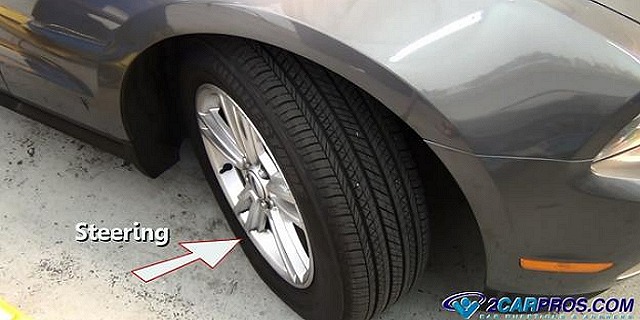
As you can imagine there is a fair amount of force involved when steering a car. This can cause parts to wear which can produce abnormal sounds when driving especially at high speeds. Anytime steering components are replaced a wheel alignment is required. Use caution when moving a vehicle without the engine running or the power steering system not working, this can cause you to lose control of the vehicle because of the additional force it takes to turn the steering wheel.
Let's Jump In!
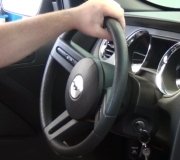
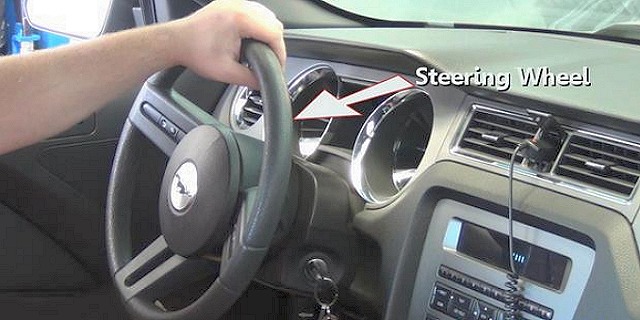
The steering wheel is used by the driver to control the vehicle which can either
be connected directly to a steering
box or rack and pinion. On some EV's the steering wheel is simply connected
to a position sensor which, in turn, tells a computer which way to direct the front
wheels and how far to move them via the electronic steering rack.
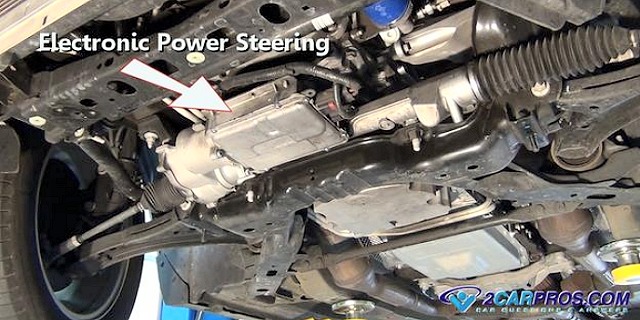
Designs include electronic steering controls which enable the computer to manage
the control of the vehicle to help avoid accidents by using proximity sensors. This
advanced steering system can also limit sudden movements by the driver at high speeds
with the help of an YAW sensor to further avoid crashes.
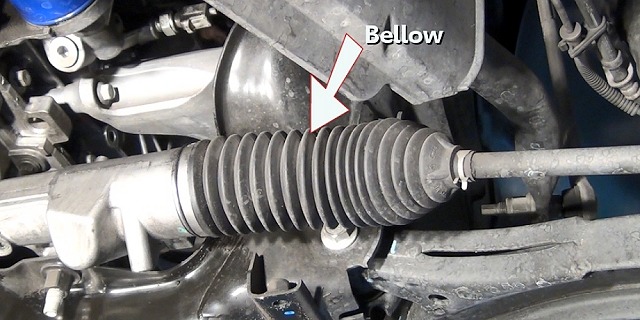
Rubber bellows are used to keep dust and dirt from affecting the steering operation,
these items are typically for rack and pinion style of steering units.
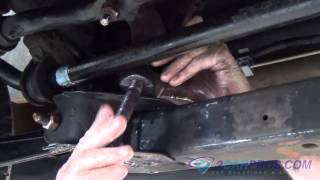
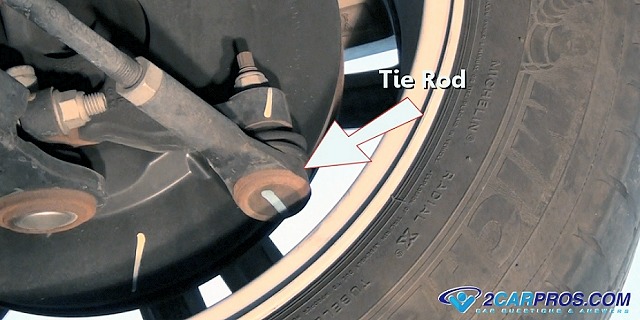
Tie rods are used to connect
the spindles (where the tires are mounted) to the steering assembly, this rod end
is filled with lubricant which helps the pivot points stay in good working order.
A tie rod end is also fitted with a dust cap to keep dirt from getting into the
joint.
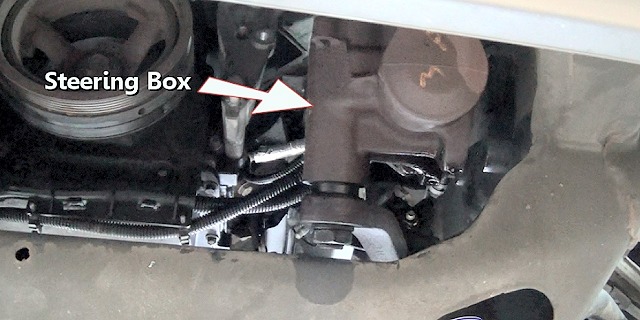
To control the front spindles on heavy duty applications a steering box is used
with a series of idler and pitman arms, center links and tie rod ends. A
worm gear box style of steering
system is constructed of two main parts, worm and selector shaft gears which are
attached to a pitman arm. An idler arm is located on the opposite side of the frame
from the steering box.
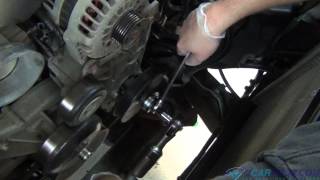
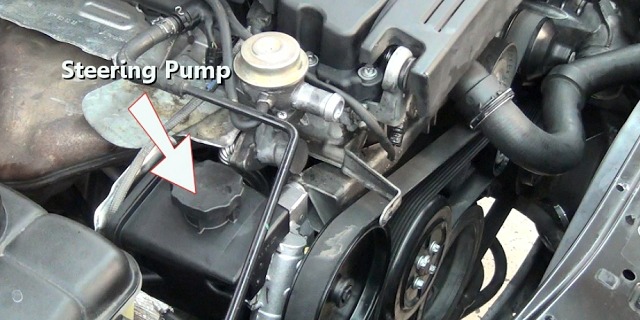
Power steering systems assist the driver's effort by using a hydraulic pressure
pump mounted to the engine which
is driven by a serpentine belt.
The image below shows what a typical power steering pump looks like. The fluid in
the system is held under pressure until the wheel is turned which releases the pressure
assisting in the steering action. This pump only provides steering assistance when
the engine is running.
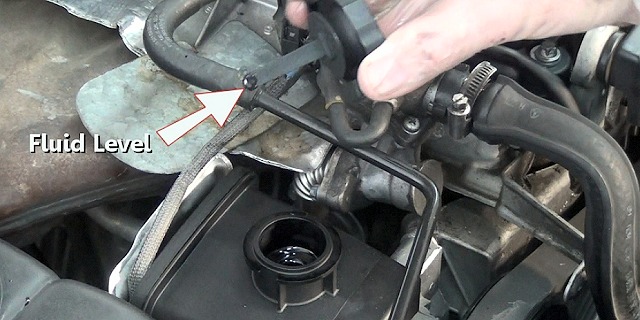
These hydraulic systems must maintain proper fluid levels to operate correctly,
if fluid levels fall below minimum requirements the system will
howl and moan while air mixes with
the fluid, this condition can also lead to hard steering and pump failure. Levels
should be checked at each service interval, fluid leaks are common in these systems
such as a pressure hose
rupture.
Questions?
Our certified technicians are ready to answer your car repair questions for free. We hope you saved money and learned from this guide. We are creating a full set of car repair guides. Please subscribe to our 2CarPros YouTube channel and check back often for new videos which are uploaded regularly.
Article published 2022-03-21