An engine or motor surge is caused by an imbalance in the computer system which cannot be corrected within the parameters of the vehicle's operating program, in other words there is a mechanical problem. In the guide below we show you the most popular issues and how to fix them, EV's also have surging issues which we address in this guide.
Let's Jump In!
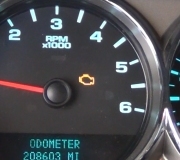
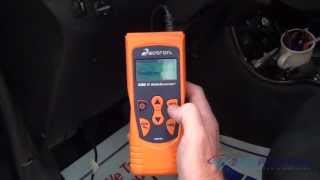
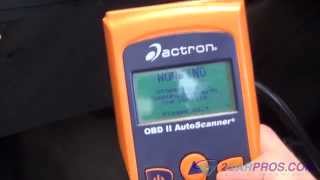
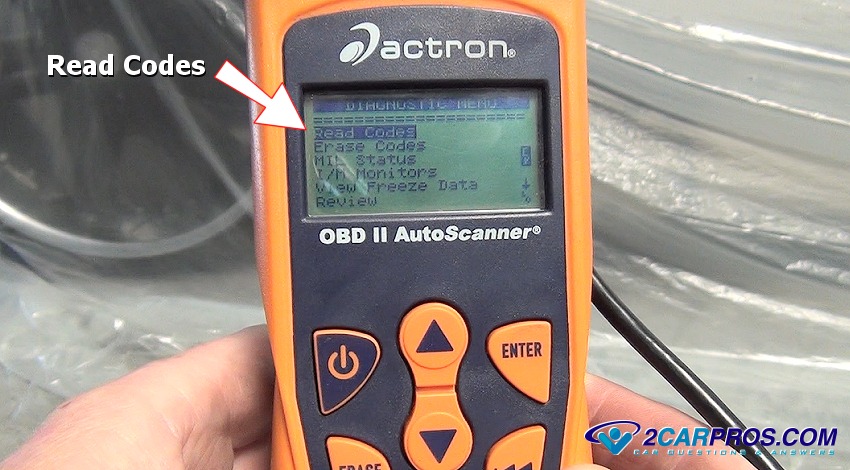
Anytime you have an issue like engine surging it is best to
gather the trouble codes even if you don't have a check engine light on, this
can help point us in the right direction or area that is causing the problem, the
check engine light may not be on if there is a soft code.
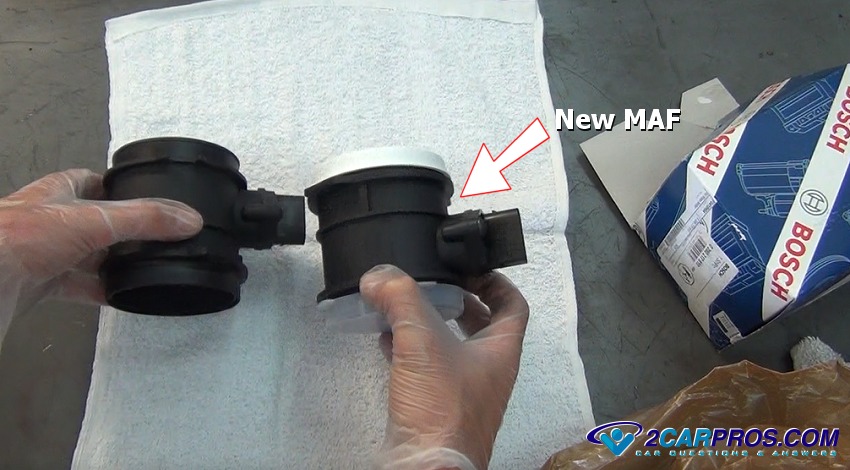
The mass air flow sensor (MAF) or manifold absolute pressure sensor (MAP) is
used to send feedback data to the computer to help make timing and fuel adjustments.
When these sensors go bad they can omit false information causing the computer to
make incorrect adjustments which produce an engine surge. Sometimes you can
clean the MAF which can help but we
have found replacing
the mass air flow sensor is best. This problem does not cause a trouble code
because the sensor is still within its parameters, the value the sensor is outputting
is just not correct for the engine's speed. This can be confirmed by reading the
value using a scanner and then installing a new sensor and recording the difference
to confirm the issue.
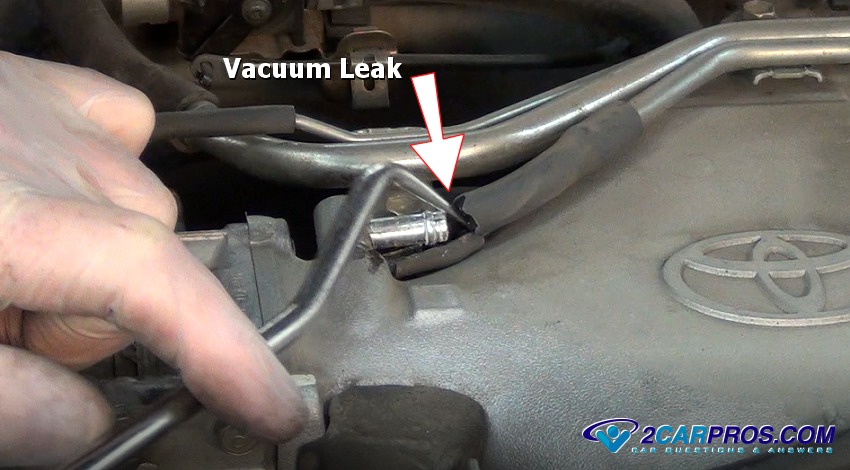
The computer system is designed to work with specific vacuum values and when
there is a vacuum leak
the computer makes adjustments accordingly, which can produce a noticeable surge.
Most of the time you can find this issue with a visual inspection, but if not there
are two main methods which involve a smoke machine or the cheaper alternative, carburetor
cleaner.
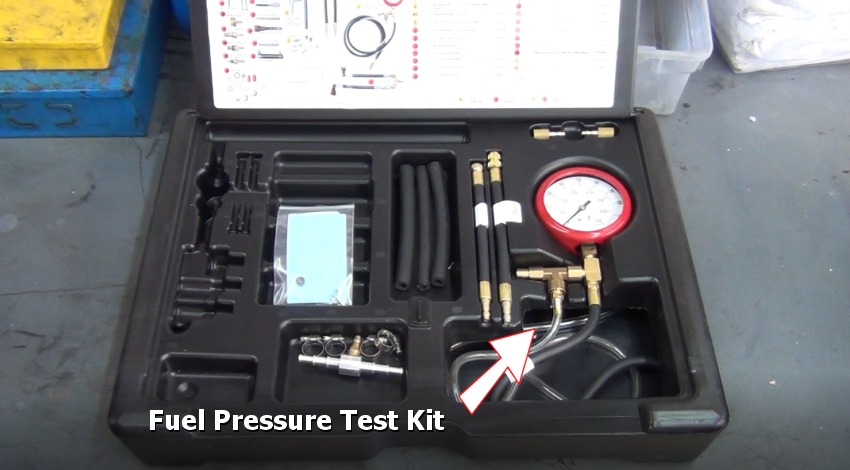
An engine's fuel supply system is designed to operate at a specific pressure,
when a fuel pump starts to age this pressure can decrease causing the pressure to
fluctuate, as the computer tries to compensate, causing the engine to surge. A simple
fuel pump pressure
test can determine if this is the problem and if the
fuel pump needs to be replaced.
The accelerator pedal position sensor is used to inform the computer on the intentional vehicle speed desired by the driver. When the sensor wears out due to normal usage it can vary the input to the computer for both EV's and gasoline vehicles alike. To confirm this issue a scanner is needed to monitor the input and look for fluctuations to confirm the issue and replace the sensor.
An EV's battery pack is made up of many low voltage cells connected in series, when one of these cells shorts out internally the output voltage of the battery pack will fluctuate affecting the motor speed. A scanner capable of monitoring the main battery pack voltage output is needed to find this problem and if found the battery pack will need to be replaced.
Questions?
Our certified technicians are ready to answer car repair questions for free. We hope you saved money and learned from this guide. We are creating a full set of car repair guides. Please subscribe to our 2CarPros YouTube channel and check back often for new videos which are uploaded regularly.
Article published 2022-03-09