The flashers and tail lights are two different circuits, so your observation of the flashers working isn't related or valid. The flasher system flashes the brake light bulbs in the rear. Those are brighter than the tail lights.
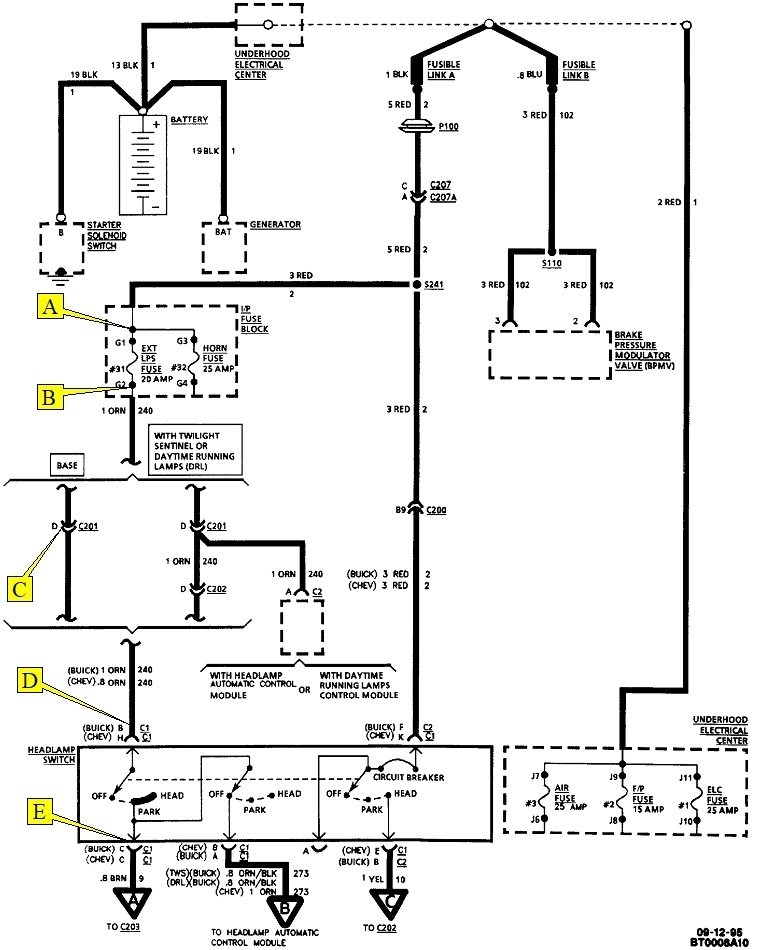
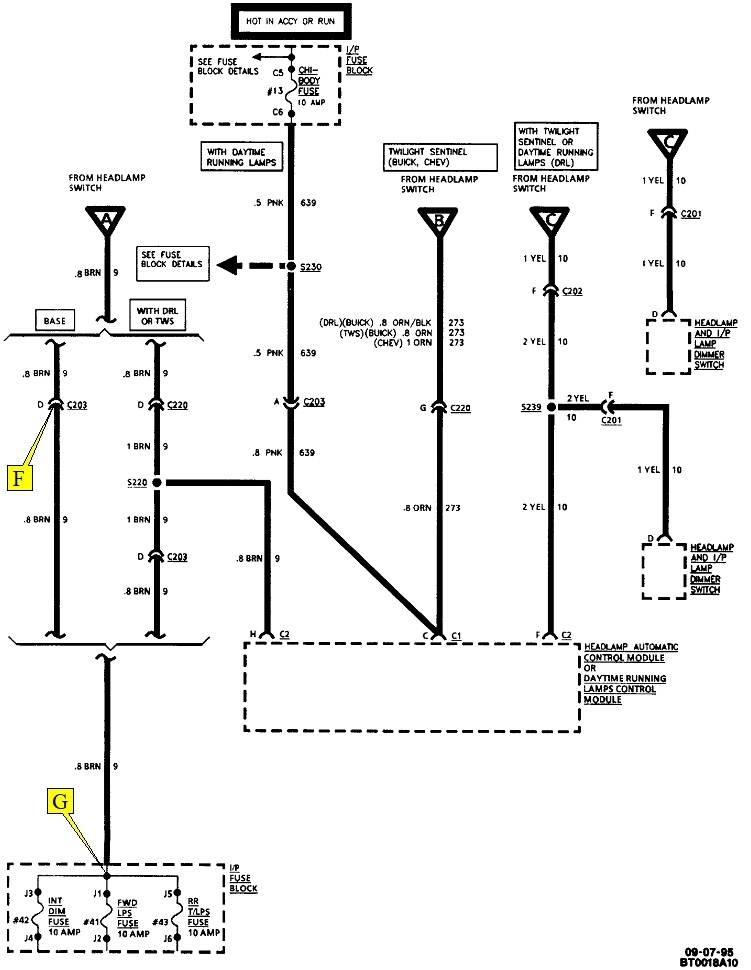
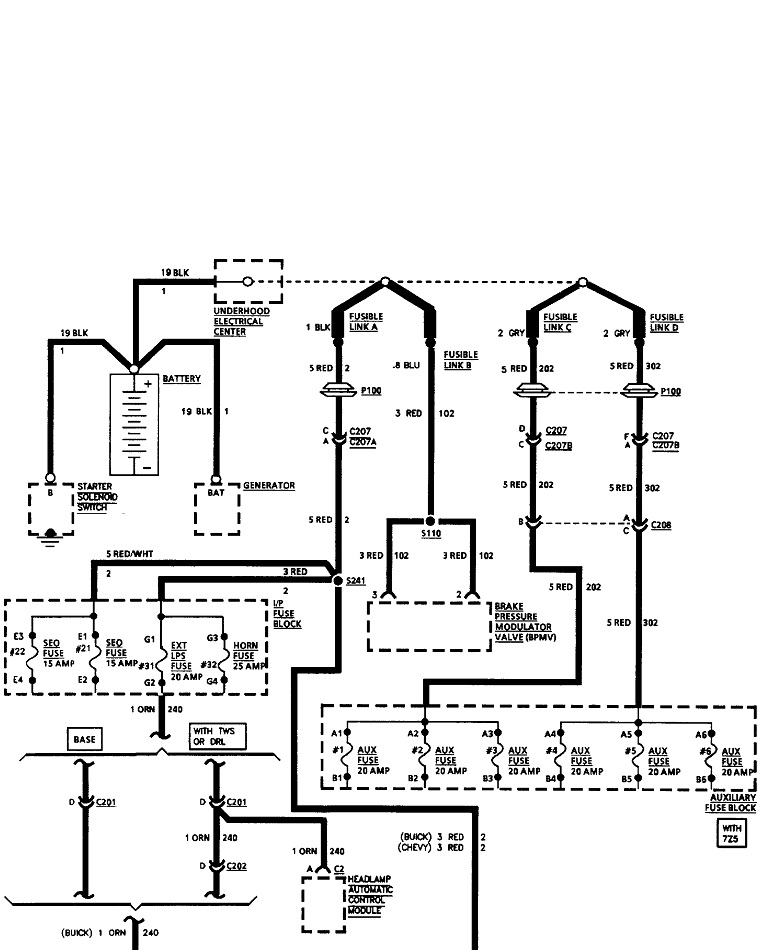
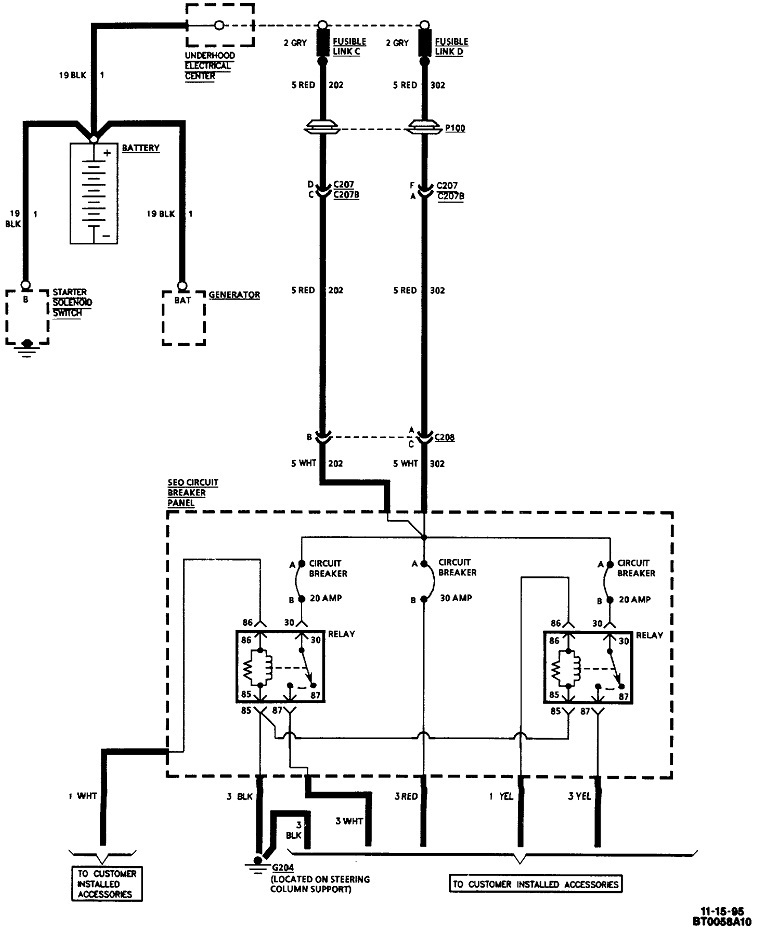
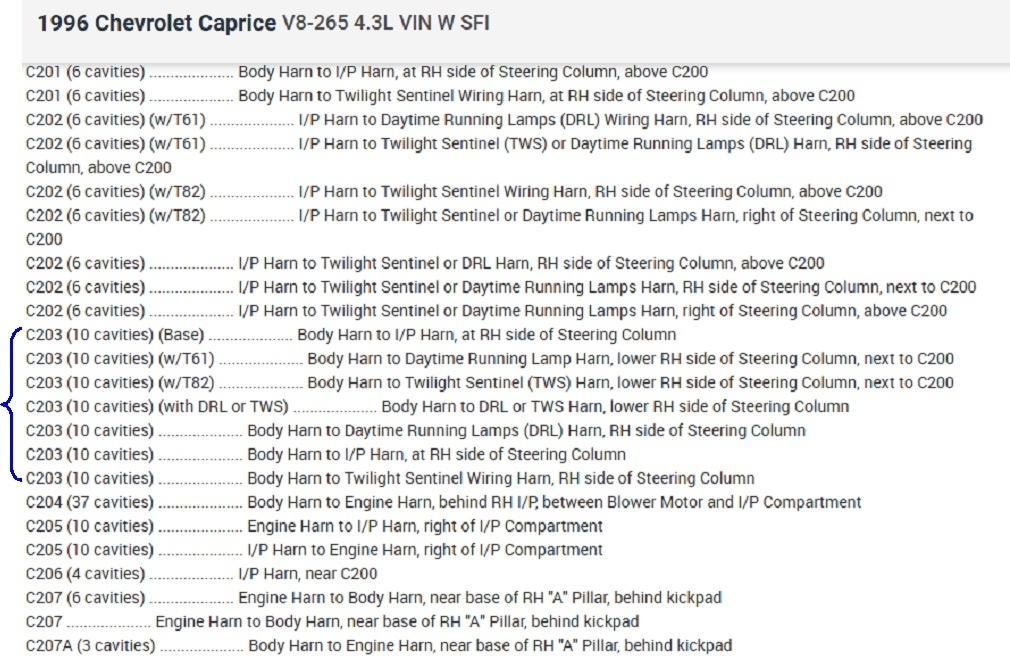
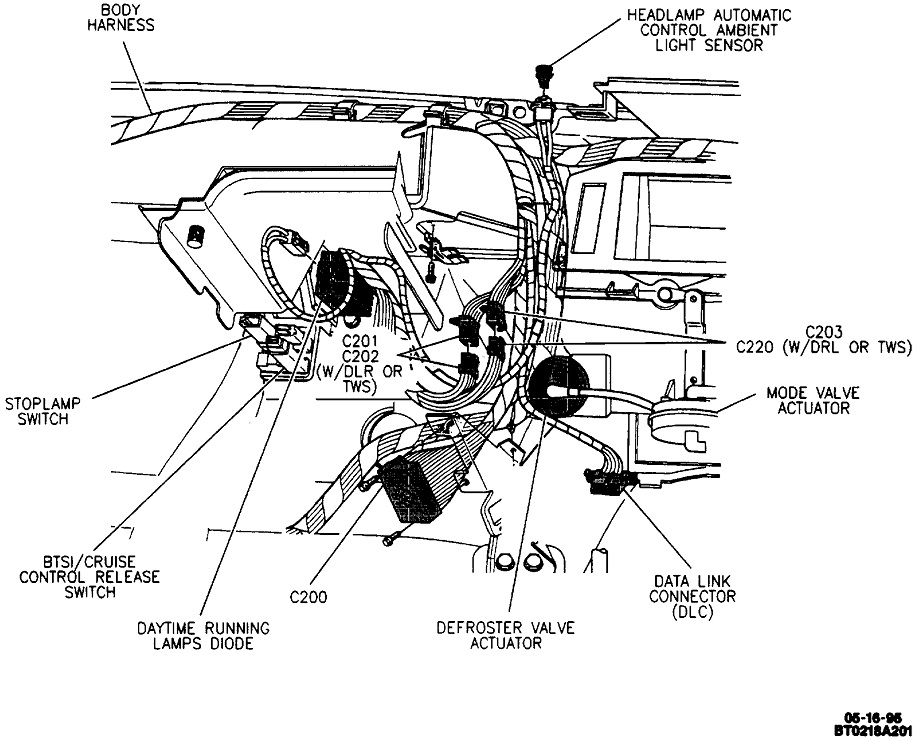
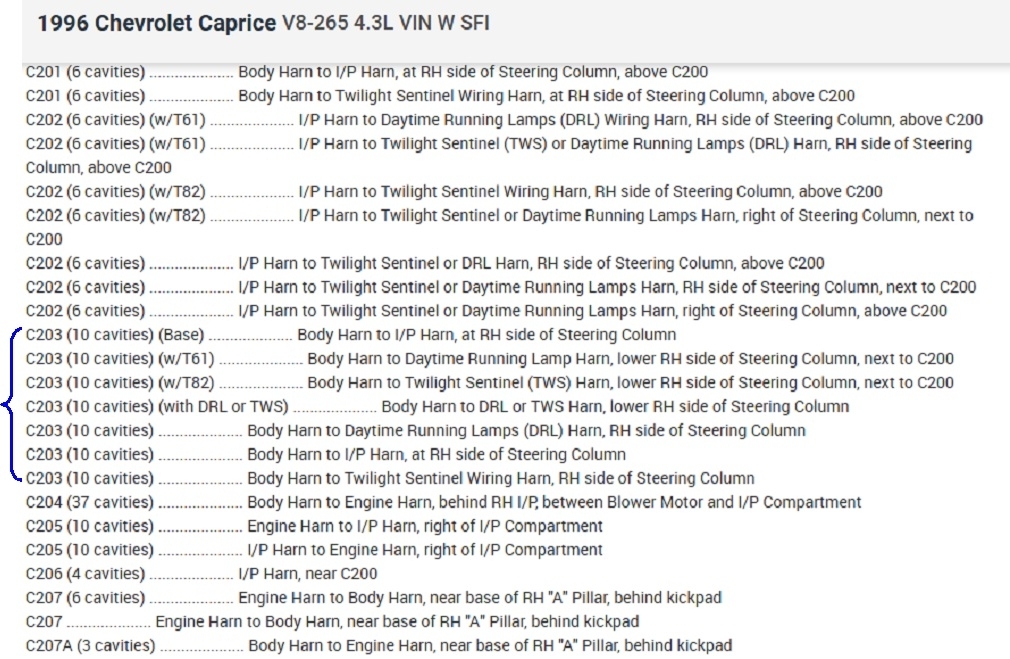
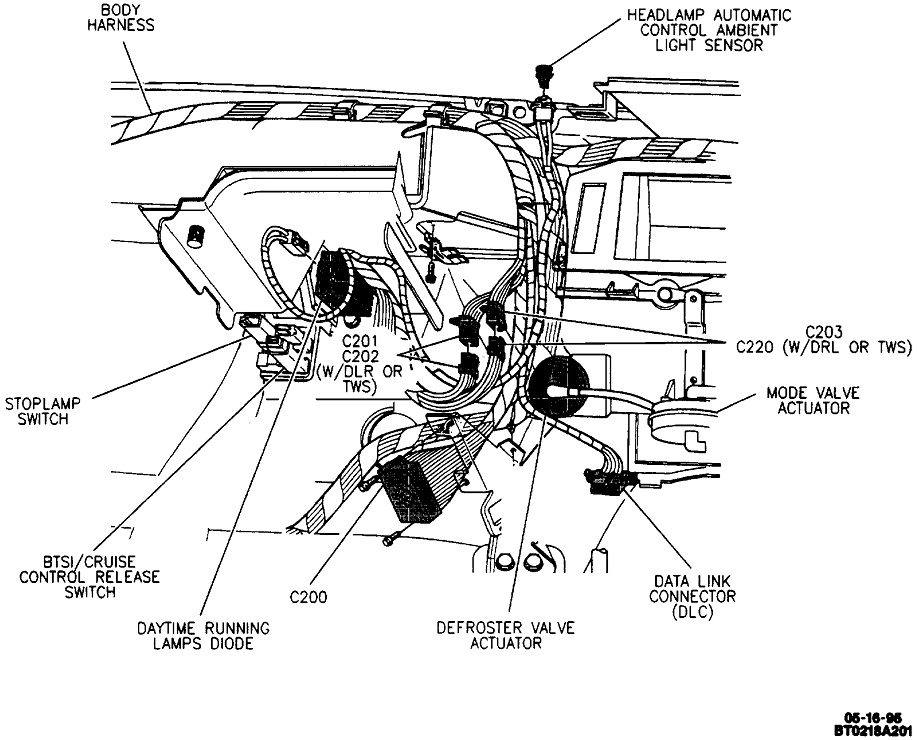
The diagrams for the fuses you listed don't go all the way to the bulbs, but this case, your measurements have this narrowed down already. On the first diagram, you found 12 volts up to point "E", coming out of the headlight switch. It's missing at point "G" on the second diagram, those fuses you listed. That leaves basically three things to consider. Probably the most likely suspect would be the connector terminals at point "F". Both sides of that connector would make dandy test points too. I found the list of connector locations and a drawing showing where to look for it. If you can get to it, back-probe both sides next to the wires to see if you have 12 volts on the brown wire. If voltage is only on one side, something is wrong between that pair of terminals. Connectors like this are only needed to allow separate sections or components go together at different times on the assembly line. It is acceptable to cut corroded wires off and splice them together without using a connector.
For my other two suspects, back in the late '80s, GM was using aluminum wire to save cost, but they had a real lot of trouble with that. First, if there was a nick in the insulation, the wire in that area would turn to powder within a week or two. The insulation was translucent so you could see the damage. Also, that corrosion usually caused the insulation to become quite fat, making the damage easy to see. Second, with aluminum wire and copper terminals, and with brass rivets in the fuse box, two different kinds of metal along with an acid, road salt from your shoes in this case, formed "galvanic action", basically the same chemical process that takes place in batteries. The corrosion would eat the wire away at a connector terminal, and more commonly on the rivets holding wires to the fuse box, especially when that fuse box was ahead of the brake pedal. I ran into this on a Firebird, coincidentally, also with the tail lights. We found the cause by accident once it got dark outside. By "irritating" the wire harness near the back of the driver's door, we could see the reflection of sparks occurring at the fuse box. That was a long time ago, but as I recall, we had to use a nut and bolt to replace the brass rivet to make a solid connection, then we coated it with grease.
Keep me updated on your progress, and let me know if you have normal copper wiring or if it's aluminum. I have a suspicion by '96 they had gone back to copper.
Images (Click to enlarge)
Dec 27, 2025 at 1:09 PM