2CarPros - Car Questions & Answers

2005 Volkswagen Passat Repair Question


Topics covered: Engine, Intake manifold, Pcv valve.
Mileage: 122,000 miles.

Asked on July 15, 2012

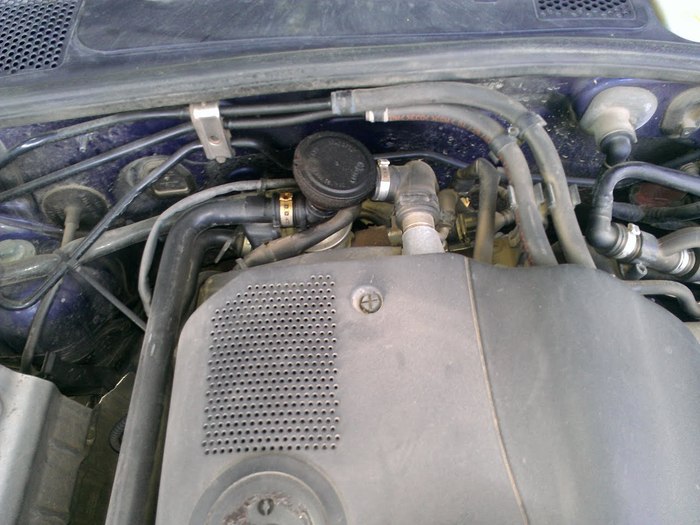
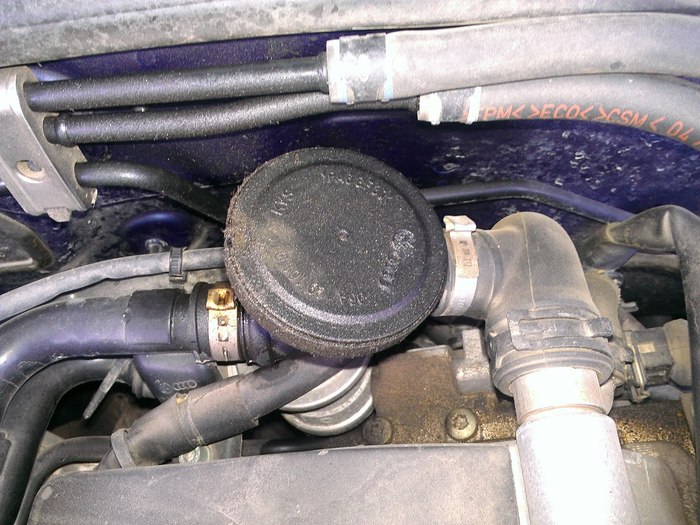
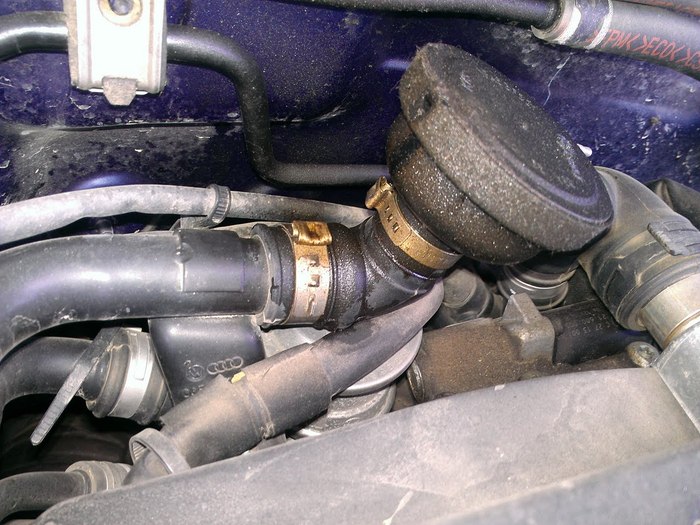
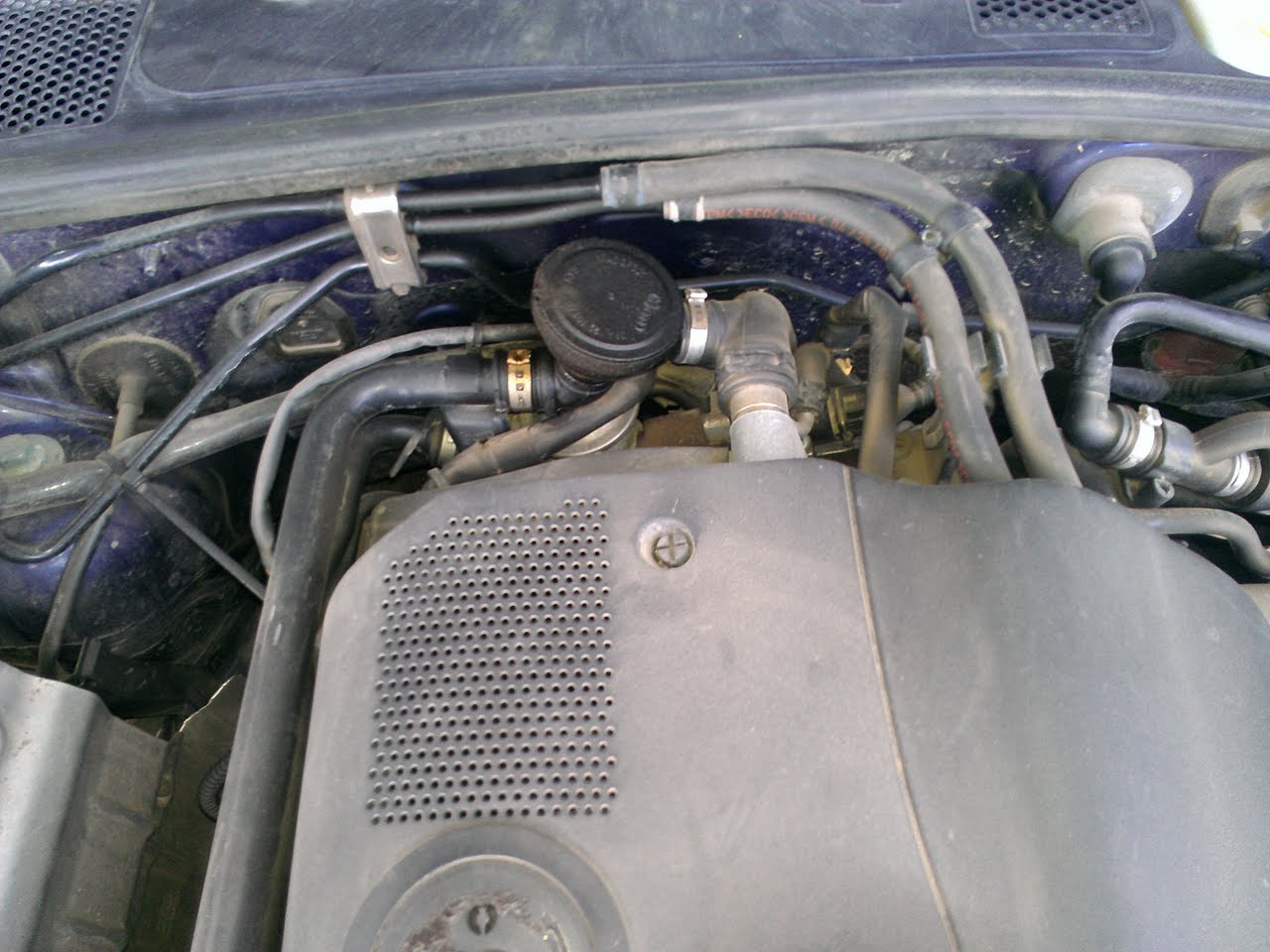
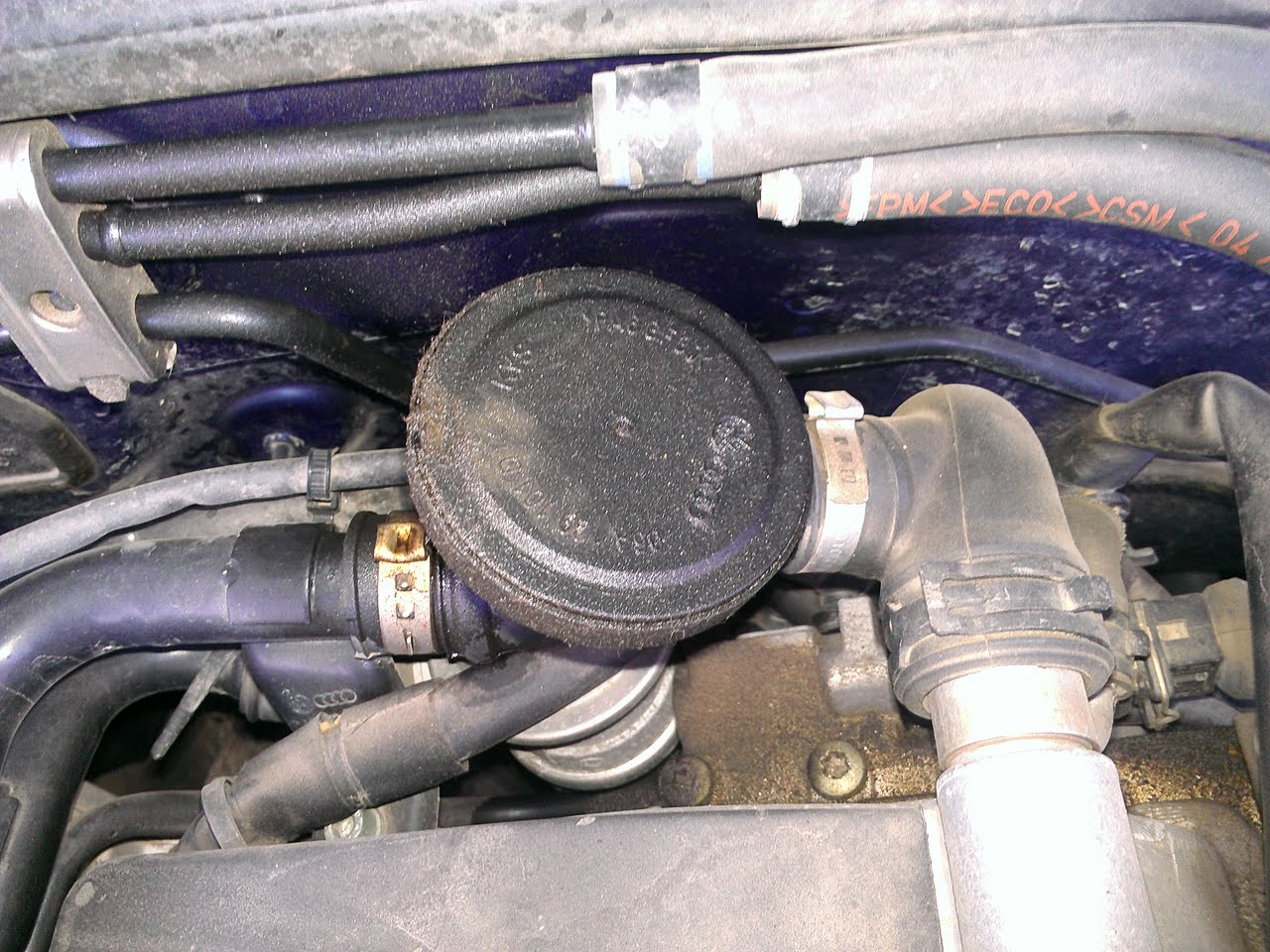
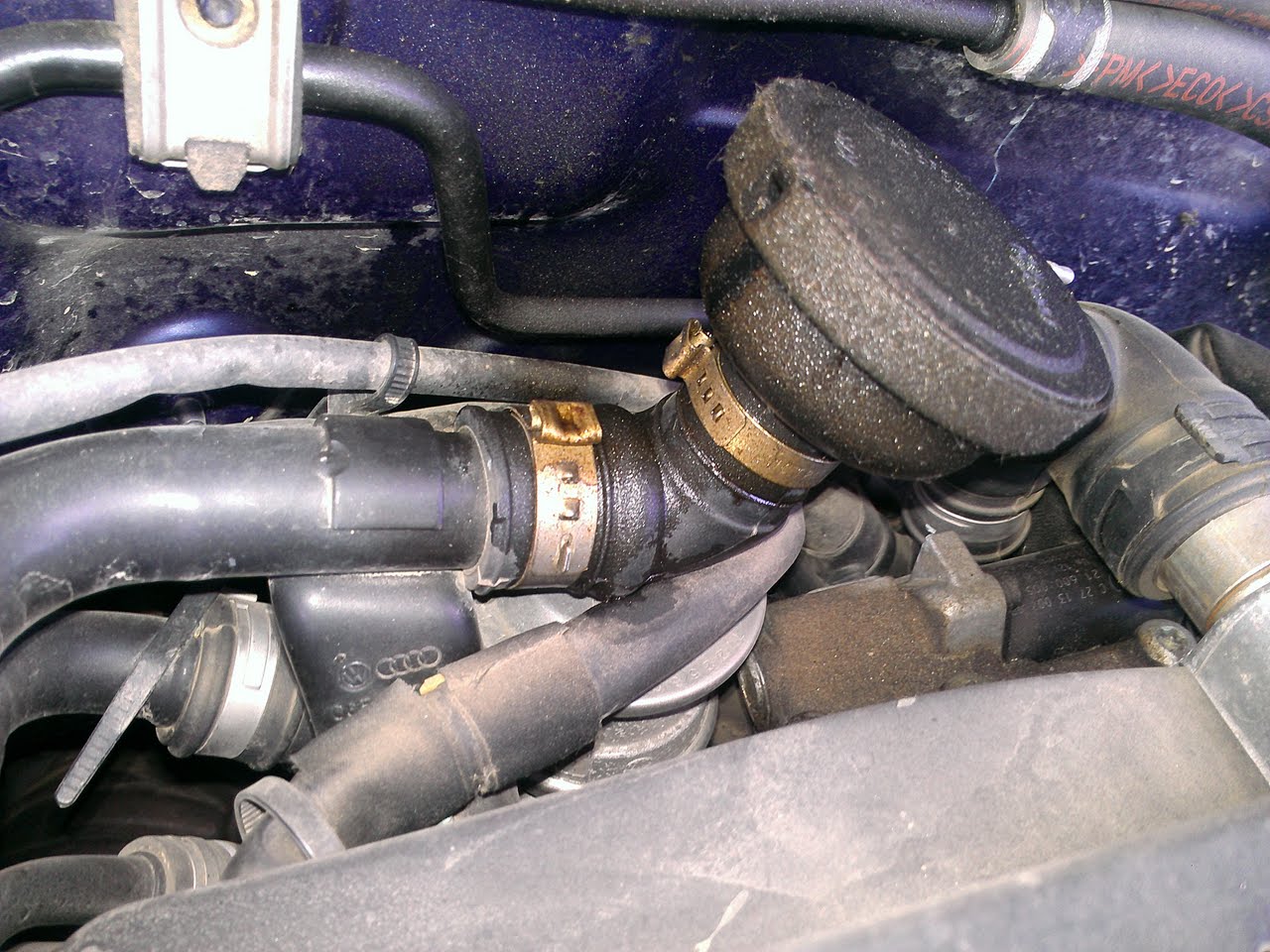
Does anyone know what this part is??? 2005 1.8T VW Passat

It looks like it has oil possibly coming out of it?? I don't think I've noticed this before. I do have a rough idle sometimes when stopped at stop sign or when pull into the driveway after driving. If I turn engine off and back on it will usually return to a regular idle again.

Avatar Asked by stephieo

Answer

Replied on July 15, 2012

It looks like its part of the PCV valve, I might be wrong

Tiny Answered by rasmataz
68 questions asked
Replied on July 15, 2012

Should it have oil on it like that? I don't think I've ever noticed it before and my husband does not know much about VWs at all :p He thought maybe it had something to do with a vacuum system (i have zero clue what that is either)...other than the odd idle at times, it seems to run pretty smoothly. Just wondering if it's still drive-able until I can get it into a shop? I drive about 60 miles a day (70-80mph) I know I am asking a lot of questions that are hard to answer w/out seeing or hearing the car..just any general questions/answers you can provide are very helpful :)

Tiny Response from stephieo
1 question asked
Replied on July 15, 2012

Why don't you remove it and bring it in to an auto parts and have them identify it-

Tiny Answered by rasmataz
68 questions asked

Replied on July 15, 2012

Yes, that's the PCV valve (see attached image)... the diaphragm
is probably broken, which is allowing oil (oil vapor) to exit the
"breather" hole.

If you need a part number let me know.

Thomas

Tiny Answered by exovcds
0 questions asked
Replied on July 15, 2012

You might want to have the whole PCV system checked... there are lots
of other components that are probably in poor shape due to age!

Below are a couple more images... I circled some of the common parts
that break / deteriorate due to oil contamination over the years.

- #2 the main connector at the engine block
- #6a the one-way check valve
- #10 the hose going to the suction jet pump
- #19 (second image) the suction jet pump

Thomas

Tiny Answered by exovcds
0 questions asked
Replied on July 15, 2012

Thanks for all of the info, Thomas! Do you know, is this a relatively easy fix? I probably can't get my car into the shop until Friday or if it's easy enough, my husband can take a look at it... he knows a lot about cars (domestic) but he seems a little weary when it comes to VWs and fixing them. I guess it should be noted that my turbo went out at about 65K Miles, and so maybe the engine had a little more oil issues than it normally would have? I really appreciate all of the help!!

Tiny Response from stephieo
1 question asked

Replied on July 16, 2012

The PCV breather at the top of the engine is a straight forward swap.... so is the suction jet
pump by the intake manifold.

The hard part is the stuff that is under the intake manifold.

You / he need to do a visual check of all the hoses... squeeze them to see if any are frail.

We use a smoke machine at the shop that can find broken hoses where eyes & fingers can't get too.

There are too many parts to list and I'm not going to suggest any others, since I don't want you
to buy anything unnecessary.

To put your mind at ease.... the engine computer will turn on the check engine light & store a
code that will relate to fuel trim (the amount of fuel correction it has to provide when air hoses
are broken) when things get too far out of specifications.

Thomas

Tiny Answered by exovcds
0 questions asked