Hello I manage a retirement apartment building. And help many older people with things like this with spare time. This is what one says:
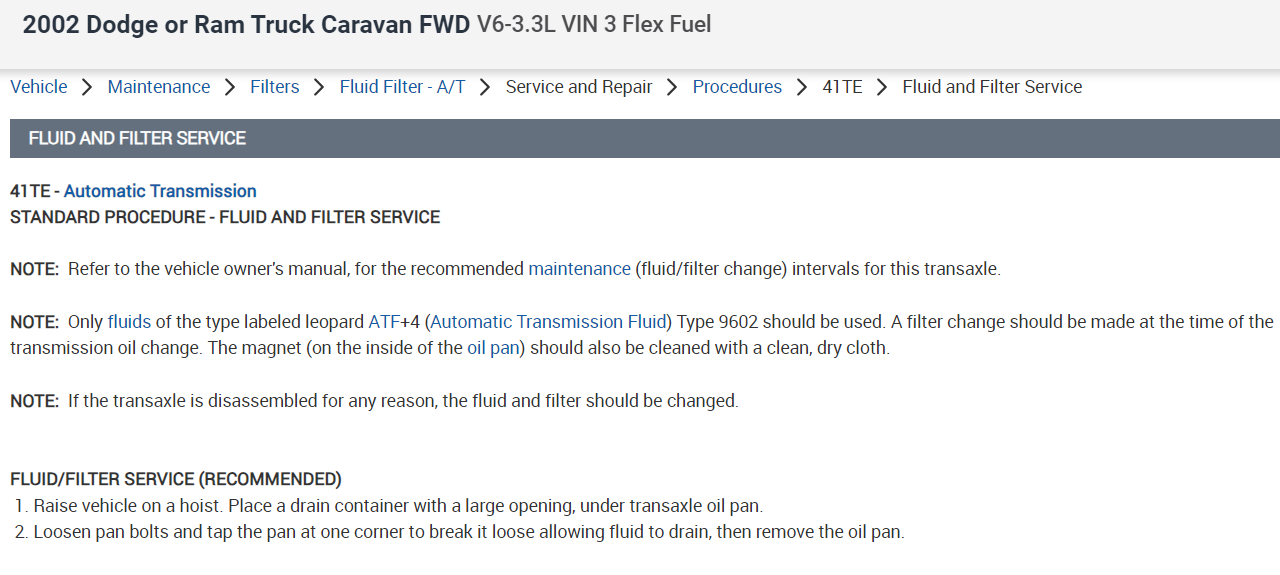
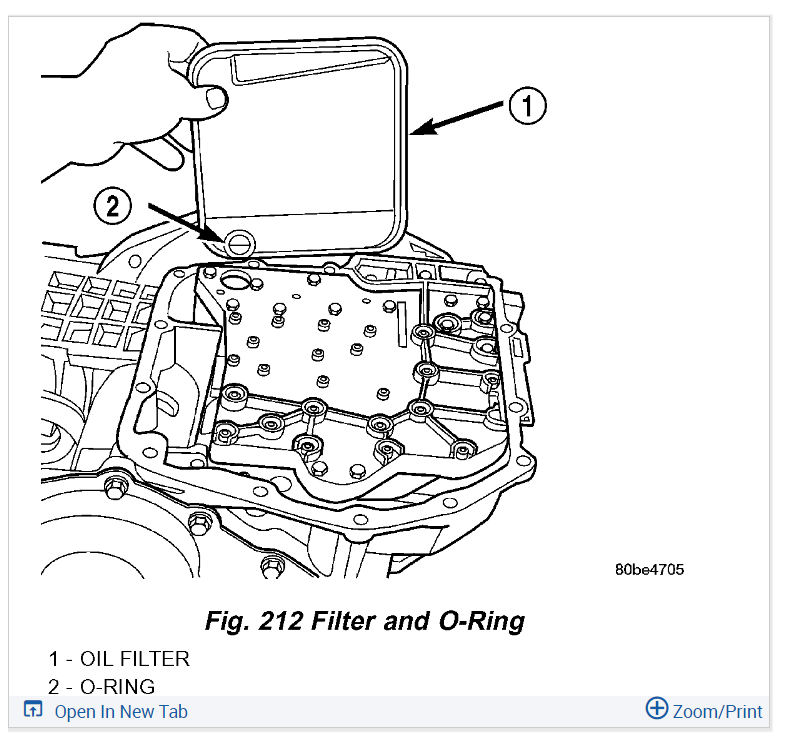
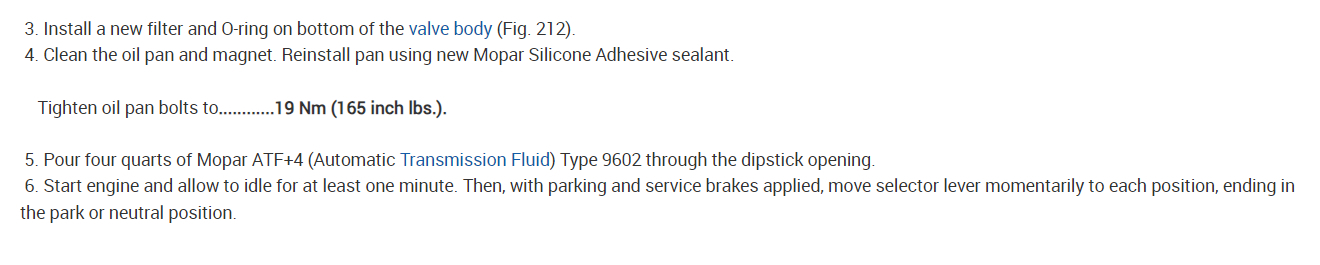
I am getting a down shift clunk around 25 mph when i am stopping. If shifted into neutral during braking it does not do it. I am planning on replacing the transmission filter, do I need to replace the fluid with Dex 4, or synthetic?? Would this also explain the fact that when I start cold and go from reverse to drive (or visa versa) that I have no transmission engagement right away. Also when I stop the engine has to get to 2000 rpm to engage the transmission again? After it warms up it engages better?
Also when i do these repairs or advise. Were can i get pictures and instructions online for free?...some of these people have money but all are very tight with it lol
I am getting a down shift clunk around 25 mph when i am stopping. If shifted into neutral during braking it does not do it. I am planning on replacing the transmission filter, do I need to replace the fluid with Dex 4, or synthetic?? Would this also explain the fact that when I start cold and go from reverse to drive (or visa versa) that I have no transmission engagement right away. Also when I stop the engine has to get to 2000 rpm to engage the transmission again? After it warms up it engages better?
Also when i do these repairs or advise. Were can i get pictures and instructions online for free?...some of these people have money but all are very tight with it lol
Dec 12, 2007 at 9:34 AM