gas gauge malfunction

1985 CHEVROLET TRUCK
Avatar
BAREFOOTBOB88
  • MEMBER
  • 60 POSTS
I just recently bought a old beater truck for $175 dollars. It runs great, but I have to guess how much gas I have by using the old slosh-and-listen technique. This truck has two fuel tanks. When I switch the tanks the one tank that doesn't work reads correctly on the guage. On the tank that does work the guage pegs itself way past the full mark.Quite annoying. I checked all the grounds just after I bought the truck and everything was in good shape. Should I replace the guage? What else could it be?
Jun 3, 2006 at 8:09 AM
Advertisement
Avatar
SYNCRAIT
  • CAR REPAIR CONTRIBUTOR
  • 235 POSTS
its going to be the sending unit inside the tank you might be better off taking both tanks apart and piecing them back together to make one functional tank, you might also try just checking the electrical connections and look for severed wires from atop the tank
good luck
Apr 21, 2021 at 12:36 PM
Avatar
BAREFOOTBOB88
  • MEMBER
  • 60 POSTS
thanks. I'll try it.
Apr 21, 2021 at 12:36 PM
Avatar
TWEBB101
  • MEMBER
  • 183 POSTS
Hey, I’ve got a similar issue on my 1984 Chevrolet C20. Tried two different gauges, both read empty. The newest gauge “dances” when the gas moves around. Bad sending unit as well?
Jan 8, 2022 at 2:16 PM
Avatar
KASEKENNY
  • CAR REPAIR CONTRIBUTOR
  • 18,907 POSTS
Yeah. Most likely this is a sending unit. The way to confirm this is to check the voltage coming from the sender.

https://www.2carpros.com/articles/how-to-check-wiring

Basically, if you monitor it while the key is on, and you are putting fuel in the tank from just a gas can you should see the voltage change.

My guess is it will not and that means the gauge is just showing what the sender is telling it and replace the sender.

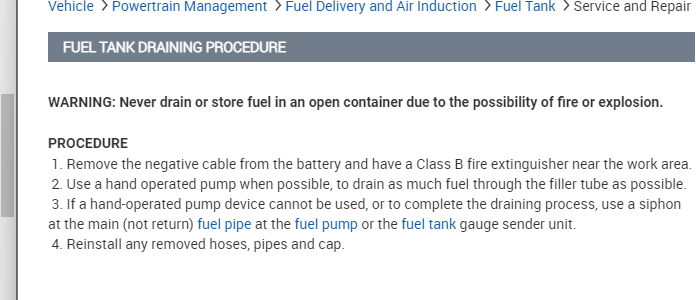
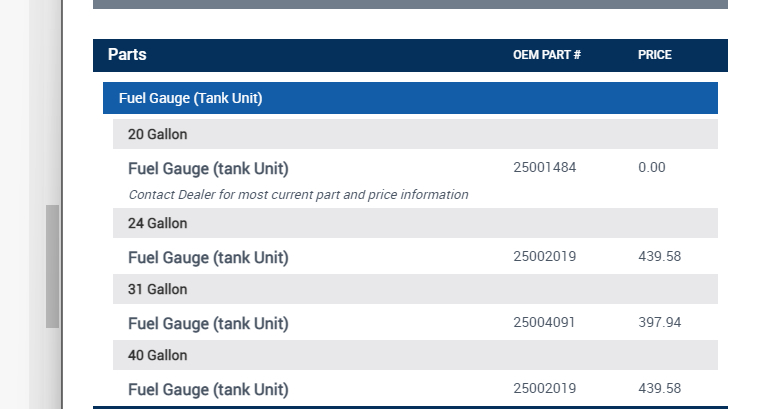
Unfortunately, the manual does not have much info on this, but I attached what it does have.
Jan 13, 2022 at 4:57 PM
Repair Safety Notice: This information is for general instructional purposes only. Vehicle repair can be dangerous. Verify all information, follow manufacturer service procedures, use proper tools and safety equipment, and consult a qualified repair shop when needed.