Logo Automobile Information Add Site to Favorites  
Auto Repair
Auto Repair Home
Auto Repair Ask a Car Repair Question
Auto Repair Car Question Forum
Auto Repair Questions by Manufacturer
Auto Repair Questions by Topic
Auto Repair First Things to Check
Auto Repair How to Repair or Service
Auto Repair Car Repair Manuals
Auto Repair How Does it Work
Auto Repair Car Repair Video Series
Auto Repair Auto Maintenance
Auto Repair Car Sound Problems
Auto Repair Auto Term Abbreviations


Popular Site Links


Auto Repair Automobile Safety Inspection
Auto Repair Brake Replacement Guides
Auto Repair Service Engine Soon Light
Auto Repair Belt Routing Diagrams
Auto Repair Avoid Car Repair Rip Offs
Auto Repair Trouble Code Table
Auto Repair How to use Diagnostic Tools
Auto Repair Smog Test Preparation
Auto Repair Hybrid Car Information
Auto Repair Test Equipment Store
Auto Repair Auto Parts
 
Search Website
 
 
Recent Repair Topics


Auto Repair2001 Other Fiat Models L...
Auto Repair2002 Ford F150 Passive ...
Auto Repair1991 Chevy Silverado Oem
Auto Repair1976 Gmc Truck Transfer...
Auto Repair2000 Ford Crown Victoria...
Auto Repair1998 Buick Riviera
Auto Repair2002 Nissan Altima
Auto Repair More Repair Topics...


We are the Auto Repair Experts!


How Does it Work / Timing Belt

How a Timing Belt Works

Introduction:

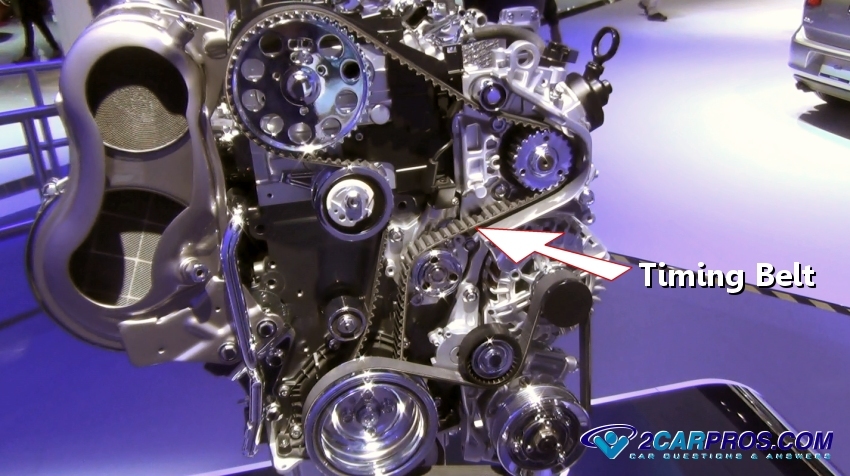
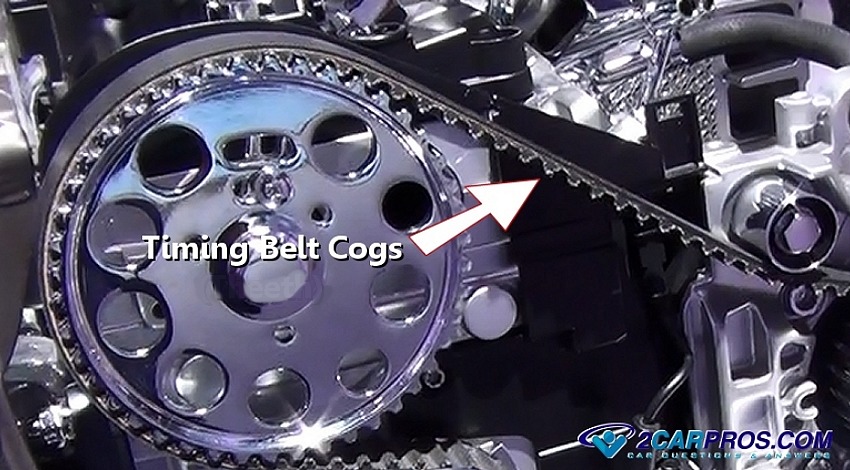
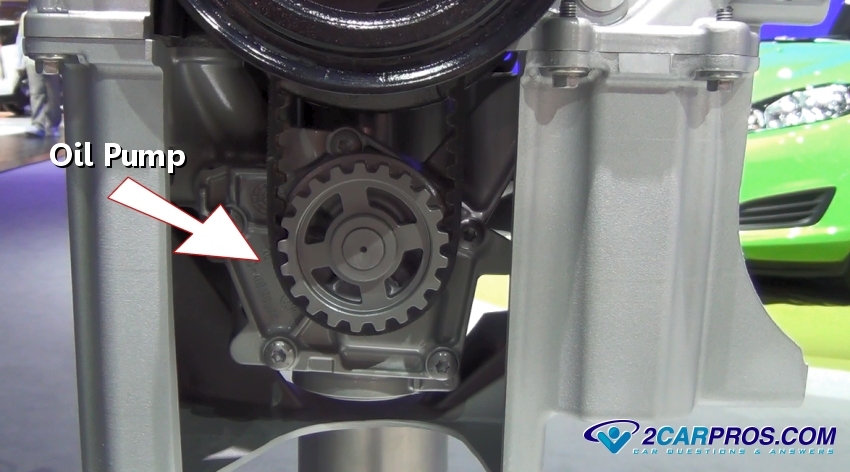
A timing belt is used to drive the engine's camshaft. The engine crankshaft utilizes a drive sprocket to connect with a larger camshaft sprocket via a timing belt. A typical timing belt is constructed of a fiber enforced rubber belt with horizontal ribs molded to the inside of the belt. Tension is held on the belt by a belt tensioner which is spring loaded, oil pressure activated or set manually. Timing belts can be used to drive accessories such as a water pump or power steering pump. Some engines utilize a timing belt to drive balance shafts inside the engine that help neutralize engine vibration. When a timing belt fails it will allow the horizontal ribs to shred allowing the driven shaft to stop or become misaligned resulting in engine operation failure. Each engine has a unique set of timing crankshaft, camshaft and accessory marks that can be located: timing belt marks or in a car repair manual.

Timing Belt
Timing and Balance Shaft Belts with Tensioners


To check the condition of the timing belt (engine off) remove the top dust/safety cover from the upper section of the engine front by removing a few bolts you can access the timing belt. Next, using a flash light inspect the condition of the belt, check for cracks, especially at the base of drive teeth. If the timing belt shows signs of wear or if you are replacing it for maintenance purposes complete exposure of the belt and related components are necessary. For step by step instructions for your particular car engine you must consult a car repair manual.

Timing Belt Installation

Basic Replacement Procedure:

  • Remove all obstructions from engine front, if an engine mount is in the way, support the engine from the top or bottom whichever is more convenient
  • Remove upper and lower timing belt covers to gain access
  • Remove or loosen timing belt tensioner to release the timing belt
  • Remove timing belt and clean all debris from area
  • Use a timing belt diagram to time the crankshaft to the camshaft - Timing belt diagrams
  • Replace timing belt with tensioner (if needed)
  • Re-install timing belt and reassemble as needed

Note: If the timing belt drives the water pump it is a good idea to replace it at this time to avoid failure. Occasionally when bearing tension is released and then reloaded it can have an adverse effect on internal bearings.

For manufacturer procedures on how to replace a timing belt on you particular car please consult a car repair manual.

Basic Maintenance

A camshaft is driven by the crankshaft of the engine by a timing chain or timing belt. The timing belt or chain needs to be replaced per manufacturer's specification they can wear out and fail without warning and stall the engine. Because a timing chain configuration is more durable when compared to the timing belt style a timing belt will need to be replaced more often, comparatively. Timing belts are more common in overhead cam engines and are more easily serviced.

How Does it Work / Timing Belt

Check Manufacturer Specific Timing Belt Questions and Answers

Related Subjects

ASK CAR REPAIR QUESTIONS - Join our question and answer forum where over 10,000 free auto repair questions are answered every month, after you have completed our free signup you will able to ask a question and receive an answer from one of our many forum members. If you elect to donate any small amount of money we will assign one of our 2CarPros Certified Repair Technicians to answer your question. Questions with donations are answered promptly and 100% of the donation is awarded to the technician helping you.

GET ONLINE CAR REPAIR MANUALS - Get instant access to your vehicles wiring diagrams, firing orders, component locator, vacuum diagrams, repair procedures, specific testing and diagnostics for troubleshooting, steering and suspension information, heating and air-conditioning problems, safety belt and airbag restraint repair, factory bulletins and general information and much more. We recommend that anyone needing technical repair information should have a quality auto repair manual for their car.


Popular Service Repairs
Test Fuses
Replace Front Brake Pads
Check Engine Light
Rear Brake Shoes
Rear Brake Pads
Test Alternator
Replace Air Filter
Test Battery
Tune Up
More Service Repairs...
Advertisement
Car Questions
Acura
Alfa Romeo
American Motors
Audi
BMW
Buick
Cadillac
Chevy
Chrysler
Citron
Daewoo
Daihatsu
Dodge
Eagle
Ferrari
Fiat
Ford
Geo
GMC
Honda
Holden
Hummer
Hyundai
Infiniti
International
Isuzu
Jaguar
Jeep
Kia
Land Rover
Lexus
Lincoln
Mazda
Mercedes Benz
MG
Mercury
Mini
Mitsubishi
Nissan
Oldsmobile
Opel
Peugeot
Plymouth
Pontiac
Porsche
Renault
Rolls Royce
Rover
Saab
Saturn
Scion
Seat
Skoda
Subaru
Suzuki
Toyota
Vauxhall
Volkswagen
Volvo

Home l Help l Privacy Policy l User Agreement l About Us l Computer Repair Question l Contact Us l Link to Us l We're Hiring l Affiliate Program
  Copyright © 1999 - 2009 2CarPros.com - Professional Mechanics Online