Smells problem
1996 Toyota Camry 4 cyl Automatic 184000 miles
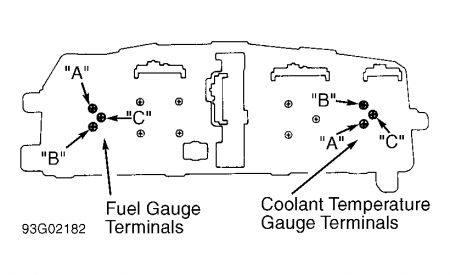
The plastic coolant reservoir under my hood is cracked at the corners. Ever since ive had the car when i drive it its made a funny smell, kind of like something was burning, at first i attributed it to the oil change i had just gotten burning off the excess oil but the smell continued. It only happened occasionally at first and didnt seem to affect performance or cause any problems and until recently i had no clue what was causing it, recently i noticed the crack and that there was liquid on the metal under the reservior for coolant. While driving i noticed a whistling noise almost like a tea kettle boiling and saw smoke from under my hood, the smoke was coming from the coolant reservoir. the temperature guage on my car is broken and goes from about halfway all the way up to the top so i dunno if my car is actually running hot, as of now it doesnt seem to be affecting performance but it is smoking a lot and i cant afford to ruin my vehicle. The coolant reservoir is about half full right now.
1996 Toyota Camry 4 cyl Automatic 184000 miles
The plastic coolant reservoir under my hood is cracked at the corners. Ever since ive had the car when i drive it its made a funny smell, kind of like something was burning, at first i attributed it to the oil change i had just gotten burning off the excess oil but the smell continued. It only happened occasionally at first and didnt seem to affect performance or cause any problems and until recently i had no clue what was causing it, recently i noticed the crack and that there was liquid on the metal under the reservior for coolant. While driving i noticed a whistling noise almost like a tea kettle boiling and saw smoke from under my hood, the smoke was coming from the coolant reservoir. the temperature guage on my car is broken and goes from about halfway all the way up to the top so i dunno if my car is actually running hot, as of now it doesnt seem to be affecting performance but it is smoking a lot and i cant afford to ruin my vehicle. The coolant reservoir is about half full right now.
Mar 15, 2009 at 11:03 AM