Engine Performance problem
2003 Kia Optima 4 cyl Two Wheel Drive Automatic 160k miles
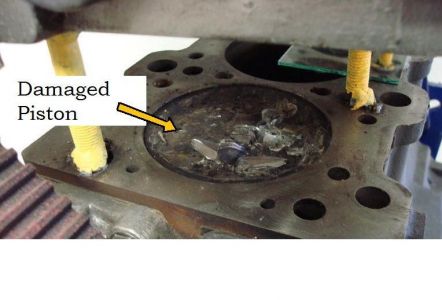
My 2003 Kia optima 2.4L DOHC engine broke the timing belt & balance shaft belt. It broke one valve
cylinder 4, bent two intake valves cylinder two. I had just replaced both coil packs and wires and
plugs.I pulled the head and had it reconditioned. My compression is about 165 to 170 psi per cylinder.
I fire tested both plugs i could because of coil packs. with clip on spark tester. On one and three getting white fire, logic probed
injectors getting firing pulse on all four injectors. With plugs out I smell fuel. Logic probed cam
sensor pulse stops at top dead center cylinder one. Logic probed ckp pulse two every 360 degress crank
rotation. All timing marks on target. I can't get timing light to flash on wires I hooked it up to my
Saturn and it flashed fine. I would say low spark, but I have two new coil packs and wires. I noticed
vacuum was weak during cranking.The starter spins slow then faster like a dead spot. Any idea (other
than replacing starter)???
2003 Kia Optima 4 cyl Two Wheel Drive Automatic 160k miles
My 2003 Kia optima 2.4L DOHC engine broke the timing belt & balance shaft belt. It broke one valve
cylinder 4, bent two intake valves cylinder two. I had just replaced both coil packs and wires and
plugs.I pulled the head and had it reconditioned. My compression is about 165 to 170 psi per cylinder.
I fire tested both plugs i could because of coil packs. with clip on spark tester. On one and three getting white fire, logic probed
injectors getting firing pulse on all four injectors. With plugs out I smell fuel. Logic probed cam
sensor pulse stops at top dead center cylinder one. Logic probed ckp pulse two every 360 degress crank
rotation. All timing marks on target. I can't get timing light to flash on wires I hooked it up to my
Saturn and it flashed fine. I would say low spark, but I have two new coil packs and wires. I noticed
vacuum was weak during cranking.The starter spins slow then faster like a dead spot. Any idea (other
than replacing starter)???
Nov 9, 2009 at 9:45 PM