oil consumption

1999 HONDA ACCORD
Avatar
MDMORGAN73
  • MEMBER
  • 2 POSTS
I have a 1999 Honda Accord, and no visable oil leak or smoking, but my check engine light is coming on approximately 2700 miles after an oil change, and when we check the oil, it is very low. We change oil and turn off light and it doesn't come back on until oil is out again. I had a new Catalytic Converter put in about a year and a half ago. Took it back in to dealer a few months ago when this problem started to see if it burned up, they said there is nothing wrong. I feel that obviously there is something since I shouldn't be running out of oil so quick. Any ideas?
Mar 14, 2006 at 3:56 PM
Advertisement
Avatar
LOSONE
  • CAR REPAIR CONTRIBUTOR
  • 1,616 POSTS
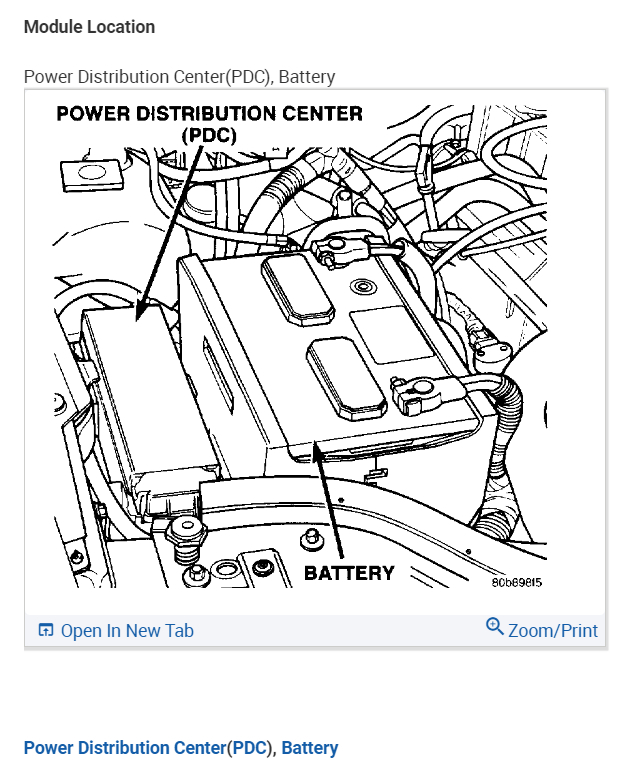
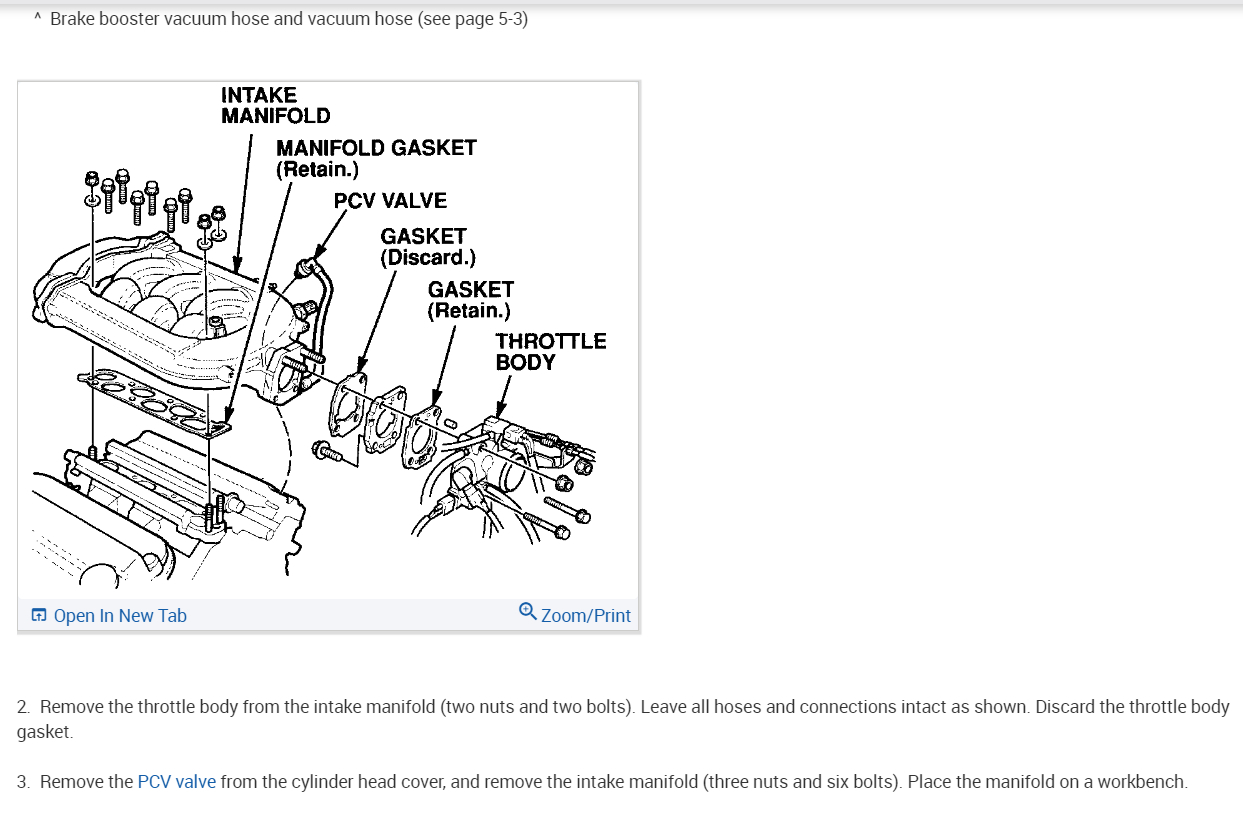
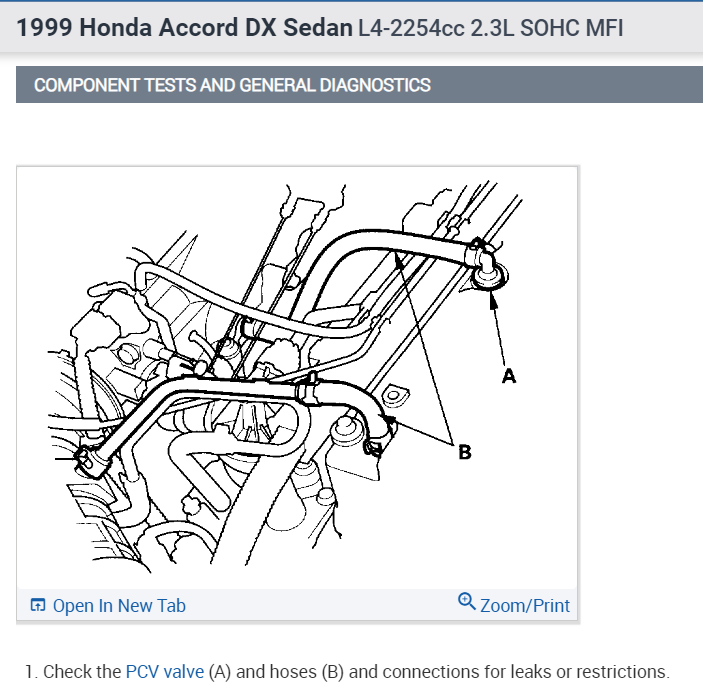
it sounds like you could have a stuck PCV which can suck oil in at highway speeds. Here is the location so you can check it out. Check out the images (Below). Please let us know how it goes
Mar 29, 2006 at 4:28 PM
Avatar
MDMORGAN73
  • MEMBER
  • 2 POSTS
It is a 4 cyl., but it only has 85K miles on it.
Mar 29, 2006 at 5:42 PM
Avatar
LOSONE
  • CAR REPAIR CONTRIBUTOR
  • 1,616 POSTS
There are only two places oil can leave the crankcase except leaks. One is past the rings and the other past the valve guide seals. Both are almost bullet proof unless the engine has suffered a severe overheating condition. The pistons/rings are so pefectly fit and balanced. Each piston is a different size as well as the rings, by a few mm but different.

Another thing Honda engines don't like is thick oil. Never use any heavier oil than 10W30. The engine tolerances are so tight that thick oil will blow out the tail pipe.

Do a wet and then dry compression test. That will quantify if the rings are the problem. If the engine puffs blue smoke for the 1st few minutes after a cold start then the valve guide seals are the culpret. again--good luck
Mar 30, 2006 at 8:11 AM
Repair Safety Notice: This information is for general instructional purposes only. Vehicle repair can be dangerous. Verify all information, follow manufacturer service procedures, use proper tools and safety equipment, and consult a qualified repair shop when needed.