After starting and driving around town, no problems. Once I get on the freeway and go a couple of miles it comes on and stays on until the end of the trip. Later, if I start it and drive around town, no problem. But once I hit the freeway it goes on again.
Took it to O'Rielly's. They said it showed a mass airflow sensor code and both 02 sensors were registering lean. They told me to use a specific cleaner to clean the sensor. I used it and the problem stopped.
About a month later it started doing the same thing again.
At the same time, I was having a gas gauge problem.. I filled the car up and the gauge registered full. About 30 minutes later it registered half full and I had only driven about 30 miles. I checked for leaks and there were none. Took it back to the gas station and it only took about a gallon of gas. I was told that I might have a sending unit problem and if I were going to go through the trouble of replacing that I might as well replace the whole gas pump assembly. I didn't do that right away
After a couple of days the car died on the freeway. It often seems that the simplest answer is often the right one. I replace the fuel pump assembly AND the mass airflow sensor.
It still wouldn't start.
I eventually replace the ignition module and it started right up.
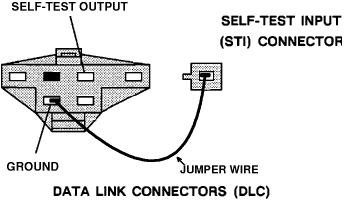
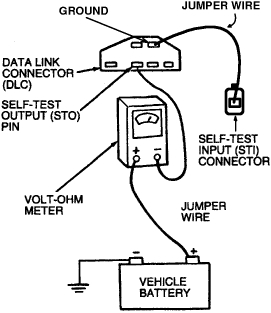
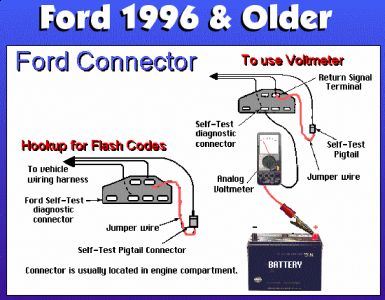
Now, the check engine light is on all the time. I took it to three different O'Rielly stores and another parts store. They all ran the checks and after four tests, no codes were found. I took it to NAPA and Autozone but their test equipment only works on 1995 and after vehicles.
Over the last 6 months, I have had it tuned up and replaced the whole distributor, all the plugs and wires.
I don't know what to do with this thing. I'd appreciate whatever help you can give me.
This car is my wife's baby and I'd like to keep it in good repair for her.
Took it to O'Rielly's. They said it showed a mass airflow sensor code and both 02 sensors were registering lean. They told me to use a specific cleaner to clean the sensor. I used it and the problem stopped.
About a month later it started doing the same thing again.
At the same time, I was having a gas gauge problem.. I filled the car up and the gauge registered full. About 30 minutes later it registered half full and I had only driven about 30 miles. I checked for leaks and there were none. Took it back to the gas station and it only took about a gallon of gas. I was told that I might have a sending unit problem and if I were going to go through the trouble of replacing that I might as well replace the whole gas pump assembly. I didn't do that right away
After a couple of days the car died on the freeway. It often seems that the simplest answer is often the right one. I replace the fuel pump assembly AND the mass airflow sensor.
It still wouldn't start.
I eventually replace the ignition module and it started right up.
Now, the check engine light is on all the time. I took it to three different O'Rielly stores and another parts store. They all ran the checks and after four tests, no codes were found. I took it to NAPA and Autozone but their test equipment only works on 1995 and after vehicles.
Over the last 6 months, I have had it tuned up and replaced the whole distributor, all the plugs and wires.
I don't know what to do with this thing. I'd appreciate whatever help you can give me.
This car is my wife's baby and I'd like to keep it in good repair for her.
Dec 6, 2014 at 4:29 PM