Sometimes it starts, sometimes it doesn't (heat-related)

FORD RANGER
Avatar
SHEUERMAN
  • MEMBER
  • 4 POSTS
1994 Ford Ranger with 162k miles. 2.3L 4 Cylinder - Had a heat wave up here in Michigan and that's when I noticed a problem and later the pattern: truck will turn over but not kick on if the engine is too warm (too warm means sitting in 90-degree heat for more than 3 hours or driving for more than 25 minutes). Just changed the plugs and wires. Electrical system seems to be running great. Also - if I try and try and try with no success, and I get out of the truck and give it a "15-minute break", then try again - it works. This one is definitely a problem for Dr. House...
Jul 13, 2007 at 3:11 PM
Advertisement
Avatar
SHEUERMAN
  • MEMBER
  • 4 POSTS
I don't have A/C. Should I still proceed with your suggestion or would it have to be something different? Thanks!
Jul 14, 2007 at 8:21 AM
Avatar
SHEUERMAN
  • MEMBER
  • 4 POSTS
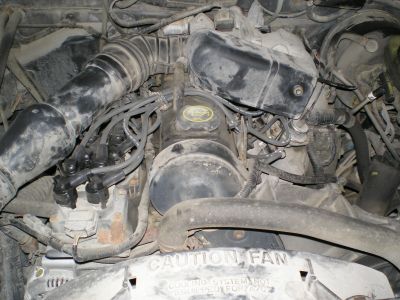
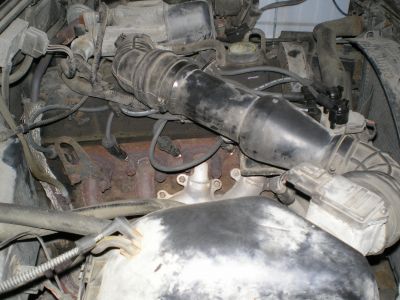
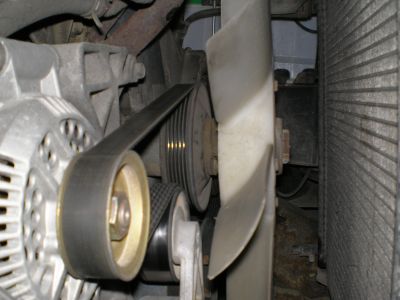
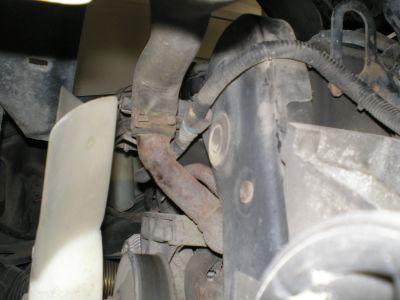
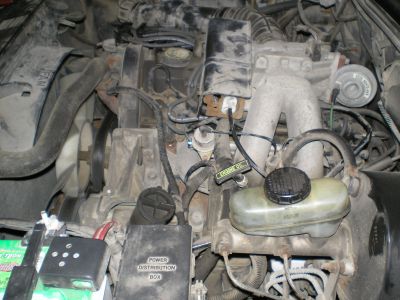
Thanks for your response! I idoled my truck and watched the fan spin - it spins great! Should I still replace the fan clutch? Could it possibly be anything else? I've included some snapshots from various angles - I hope it helps:


https://images.2carpros.com/forum/automotive_pictures/85635_P1010004_1.jpg


https://images.2carpros.com/forum/automotive_pictures/85635_P1010005_1.jpg


https://images.2carpros.com/forum/automotive_pictures/85635_P1010006_1.jpg


https://images.2carpros.com/forum/automotive_pictures/85635_P1010007_1.jpg


https://images.2carpros.com/forum/automotive_pictures/85635_P1010008_1.jpg

Jul 14, 2007 at 9:36 AM
Avatar
SHEUERMAN
  • MEMBER
  • 4 POSTS
Will do, sergeant! Is it easy to replace one (I don't even know what they look like)? I have no clue how to do it - and I'll get those fins sprayed out pronto!! Should I test it after I spray them out, or is that fan clutch a must-swap?
Jul 14, 2007 at 10:59 AM
Repair Safety Notice: This information is for general instructional purposes only. Vehicle repair can be dangerous. Verify all information, follow manufacturer service procedures, use proper tools and safety equipment, and consult a qualified repair shop when needed.