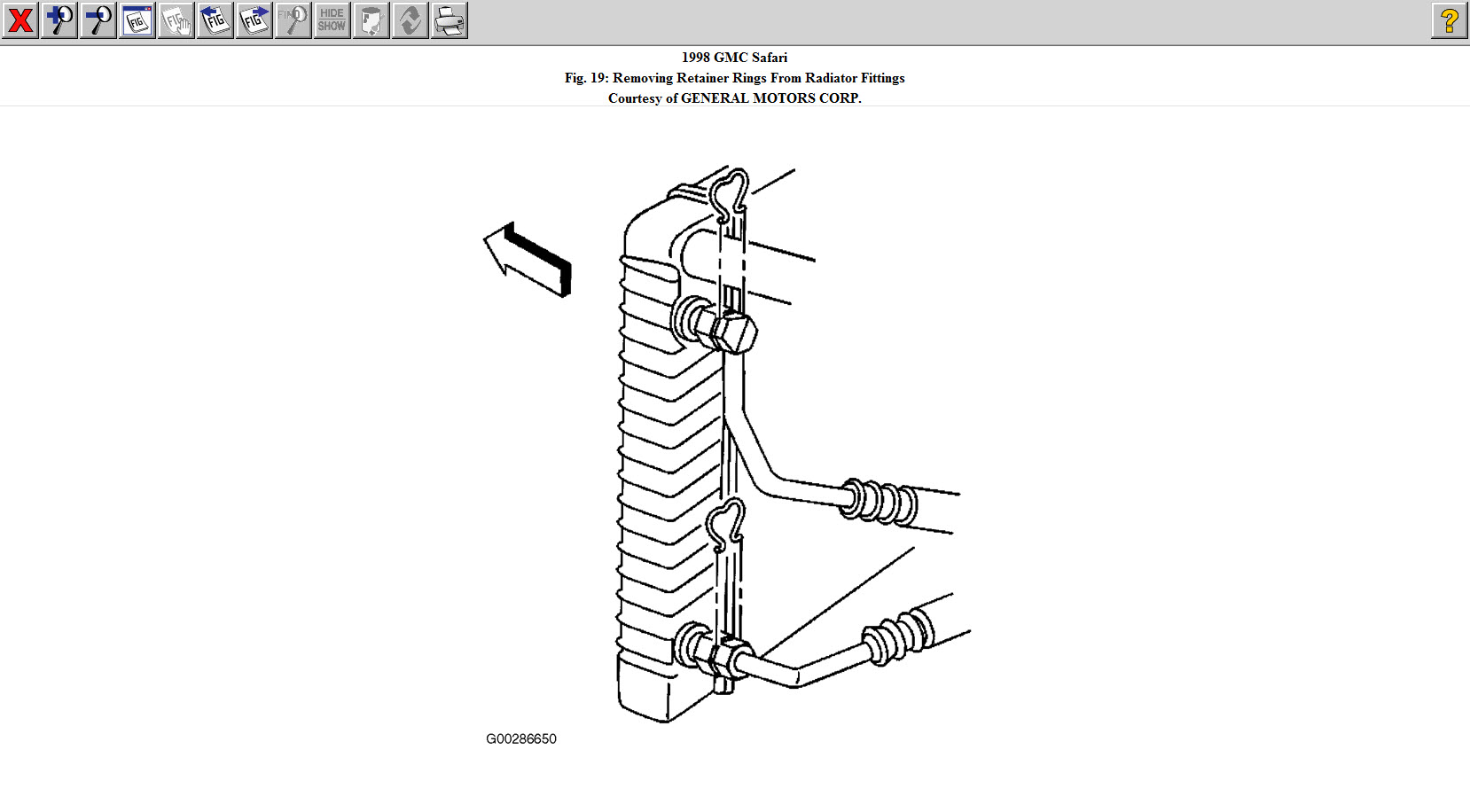
oil connections

1998 GMC SAFARI
180,000 MILES • 6 CYL • 2WD • AUTOMATIC
Avatar
KICKIT
  • MEMBER
  • 2 POSTS
I am driving a 1998 gmc safari, Why do my oil connections at the rad, keep blowing off even after being replaced 2 times? and why does my van not start after a rain, or if it is damp out, some times it will start, other times it won't ?
Feb 10, 2011 at 3:05 PM

Advertisement
Avatar
HMAC300
  • CAR REPAIR CONTRIBUTOR
  • 48,601 POSTS
If the coolerlines blow off after repair, check for an oring missing and make sure the clips are in with the retainers around the clips.If you are having a problem starting when wet/damp then try replacing the dist cap as they will do that. you might also try a new plug wire set as well.
Feb 10, 2011 at 4:17 PM
Avatar
KICKIT
  • MEMBER
  • 2 POSTS
all fittings have been replaced, two months ago and we are back to the same issue,prior to replaing the fittings, connections and rings, this happend twice in one week, oil pressure is about 200 on gm dash gage, has sat at that number for about 2 years prior to this all happening,yesterday before this happend the number was at about 200, i have been able to tow traialers steady without issue, when not pulling a trailer this happens, have had the van sense 84000.klm, now sits at 180000.klm
Feb 10, 2011 at 4:54 PM
Avatar
HMAC300
  • CAR REPAIR CONTRIBUTOR
  • 48,601 POSTS
you may not have the right clips to hold it in. bu tthere should be a clip that goes into the slot when the lines are all the way in. then there should be a plastic retainer that pushes on the fitting to hold the clip in place. Not seeing what is going on I am really trying to walk you through the thing. the cooler line may be worn or the slot inthe rad clip line may be worn as well. If it continues to do this then i would relace the lines and fittings in the radiators. I have enclosed a picture.
Feb 10, 2011 at 6:23 PM
Repair Safety Notice: This information is for general instructional purposes only. Vehicle repair can be dangerous. Verify all information, follow manufacturer service procedures, use proper tools and safety equipment, and consult a qualified repair shop when needed.