We are the Car Repair Experts!
How Do I Repair My Car?
/
How to Test an Ignition System
Introduction
The ignition system in your car ignites the fuel inside the
engine's
combustion chamber at the optimal time in the
piston
stroke to produce the most power while emitting the least amount of emissions
as possible. There are many configurations of ignition systems but all operate on
the same principle, create a low energy field and collapse it onto a high energy
coil and that transfers the electrical energy into the secondary ignition system,
i.e. coil wire, distributor cap and rotor (if equipped) plug wires and finally the
spark plug. This system is triggered by the primary ignition system, this system
varies depending on manufacturer but all operate on the same principle, use some
kind of low voltage trigger system i.e. crankshaft position sensor (CKP), camshaft
position sensor (CAS). This low voltage system (1.5 to 3.0 volts) is amplified to
12 volts by using a ignition module (amplifier) and then transferred to the primary
side of the ignition coil. The ECM (engine control module) controls the engine ignition
timing by advancing and retarding the primary trigger signal. In old cars a points,
condenser and a vacuum advance unit performed this job. We have listed the most
popular causes for an ignition system to fail or misfire.
READ COMPLETELY BEFORE BEGINNING!
WARNING! Always have the vehicle under inspection
on level ground, in park with the emergency brake on. Always wear protective eyewear,
gloves and necessary clothing before inspection or work begins. Never crank an engine
over when anyone is near the battery or engine. Always have a operational fire extinguisher
close by, obey all first aid instructions in the event of an injury. Never stand
in front or behind a vehicle when cranked over or running. When engine is cranked
over keep hands and clothing free from rotating components. Anyone with a heart
pacemaker should not perform these test.
Ignition Troubleshooting Procedure
- Step 1 - Anytime you have a problem with electronically
controlled components such as an
engine,
transmission,
ABS
brake, or
SRS (supplemental
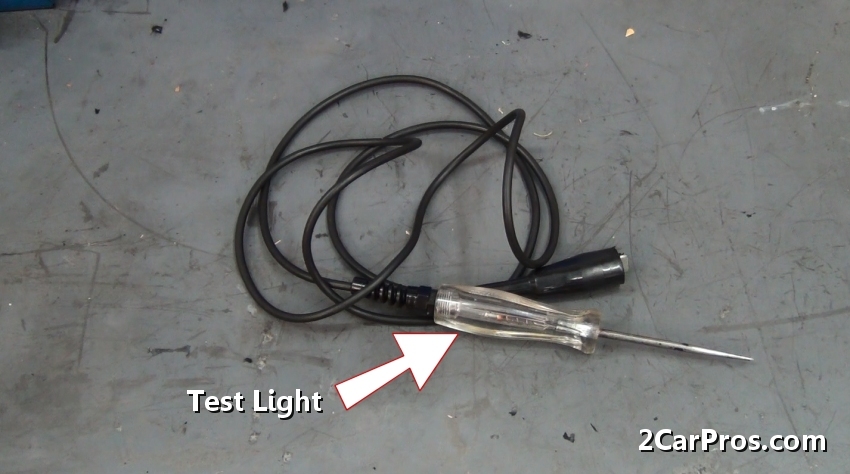
restraint system, Air Bag) inspect all fuses using a
test light
and check the under hood power distribution center and under dash fuse panels.
If all fuses test ok continue to the next step.
- Step 2 - To check for problems with electronically controlled
components such as an
engine,
transmission,
ABS
brake, or
SRS (supplemental
restraint system, Air Bag) and the fuses test ok a
trouble code scan is needed to identify any system trouble. Use a simple
scanner tool to retrieve
trouble codes and check if they relate to the specific problem, like an
ignition coil failure code. If a
trouble code is present but does not pertain to the immediate problem like
a EVAP code ignore it until a later time, after the engine is running properly.
The reason we repair non-related codes after the engine is running properly
is because sometime false codes can be triggered by a rough running engine.
Once the engine is running properly the code present might cycle and turn itself
off. You might say "if the engine isn't running right shouldn't it have a check
engine light and a trouble code?". Sometimes conditions occur that will not
be detected by the computer, example: if the intake or exhaust valve operation
fails the computer can not detect the failure because the problem is not sensor
related, so the engine doesn't run smooth and the computer thinks everything
is ok with no codes. If the trouble code retrieved relates to a cylinder misfire
like a injector driver or ignition coil failure first these problems and re-test
system. If no trouble codes are present proceed to the next step.
- Step 3 - Check the
ignition system basic output voltage, this will test the ignition system
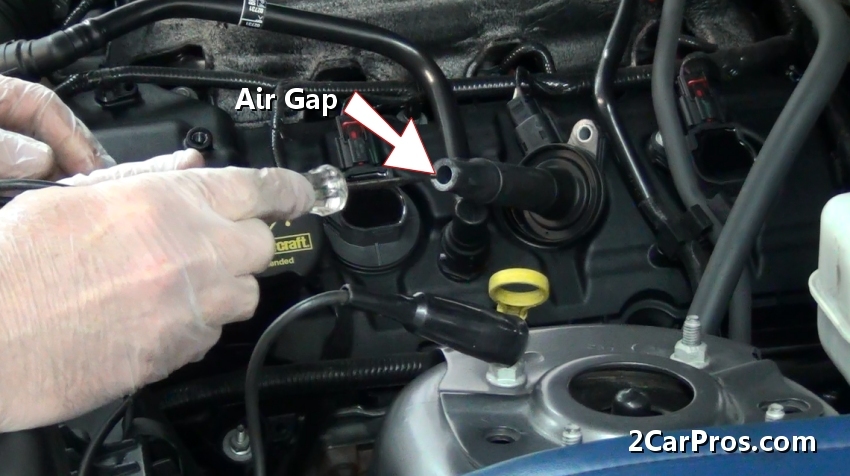
buy observing the spark from the ignition coil. This is done using a test light
and inserting the sharp probe into the end of the plug wire boot allowing a
sizable gap from the inside plug wire terminal and the test light probe. If
the engine does not run and you are testing the
ignition system output continue with this test. If you are testing the ignition
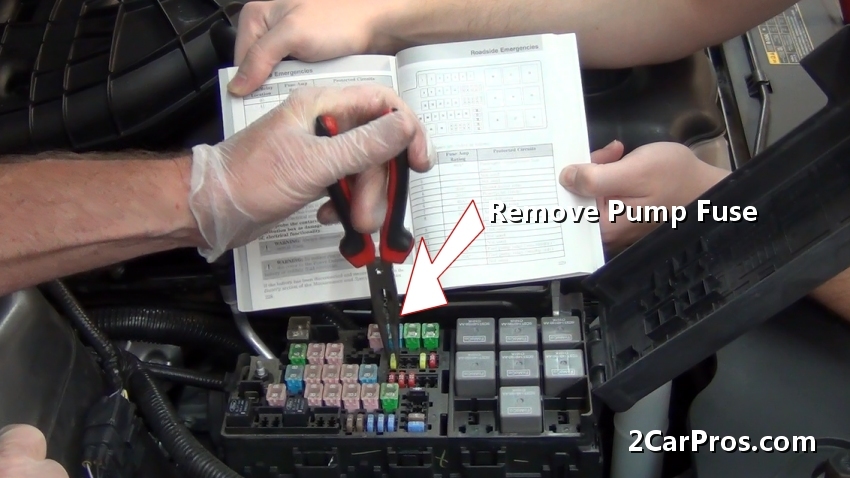
system to troubleshoot an engine cylinder misfire you will need to disconnect
the fuel pump fuse or control relay and bleed off fuel system pressure to stop
the engine from starting. (note: sometimes the engine will run slightly until
excess fuel is burned) To locate the fuse or relay for the fuel pump located
in the fuse box or power distribution center, if you can not locate the fuse
or relay consult your cars owners manual or an
online repair manual for their locations.
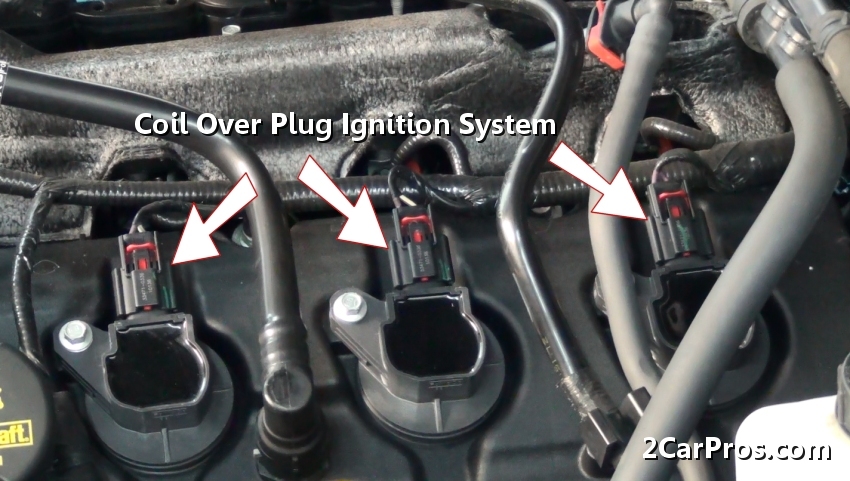
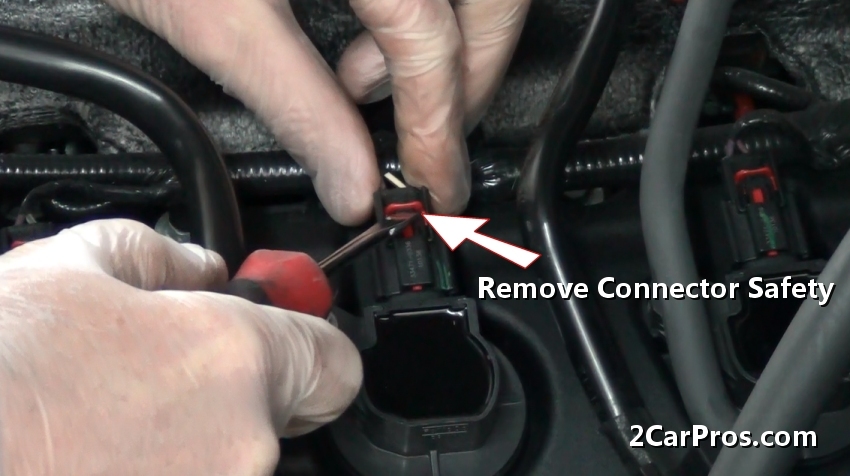
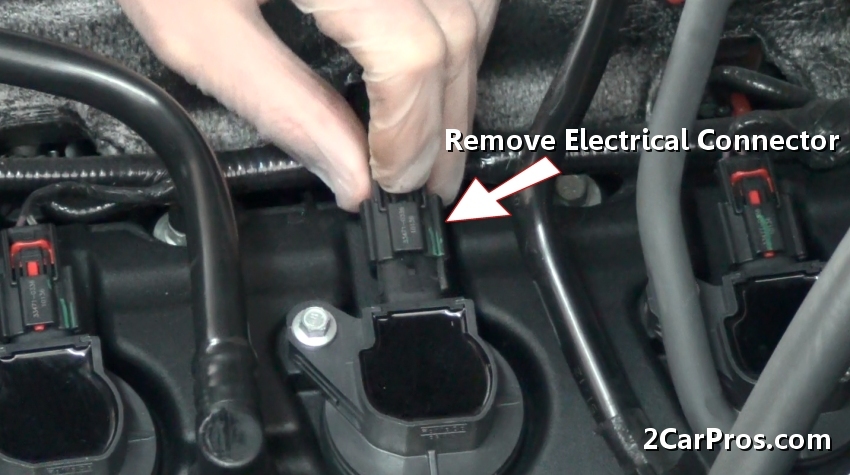
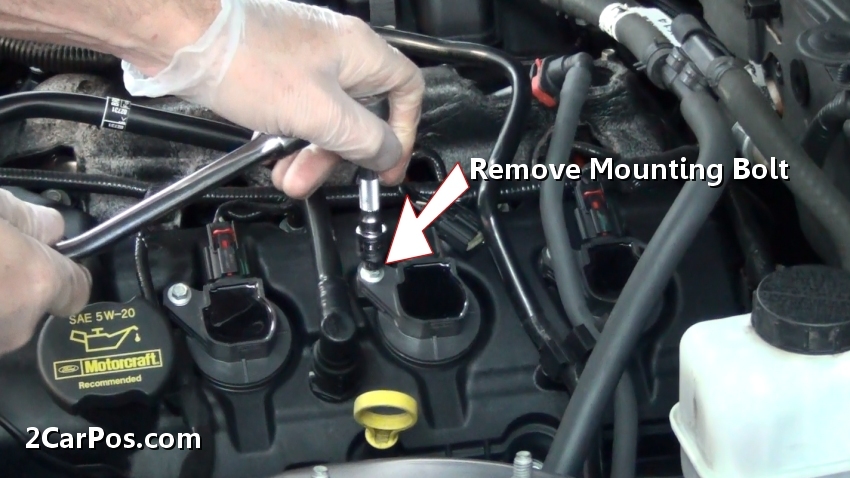
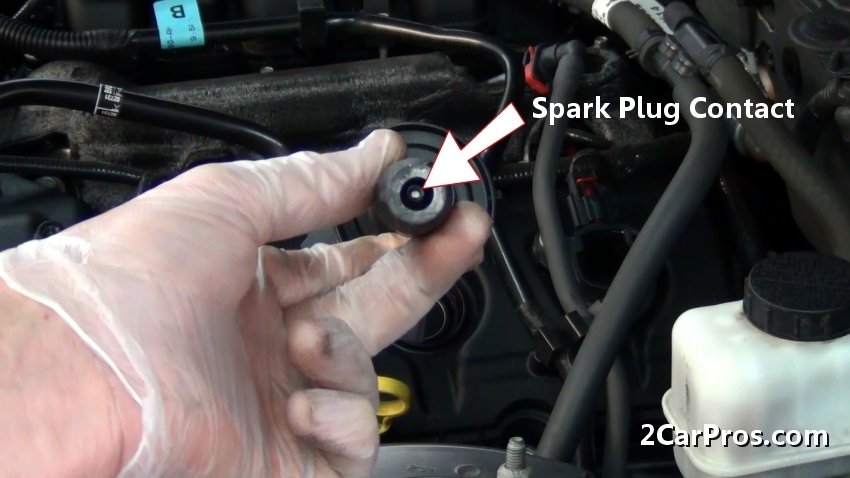
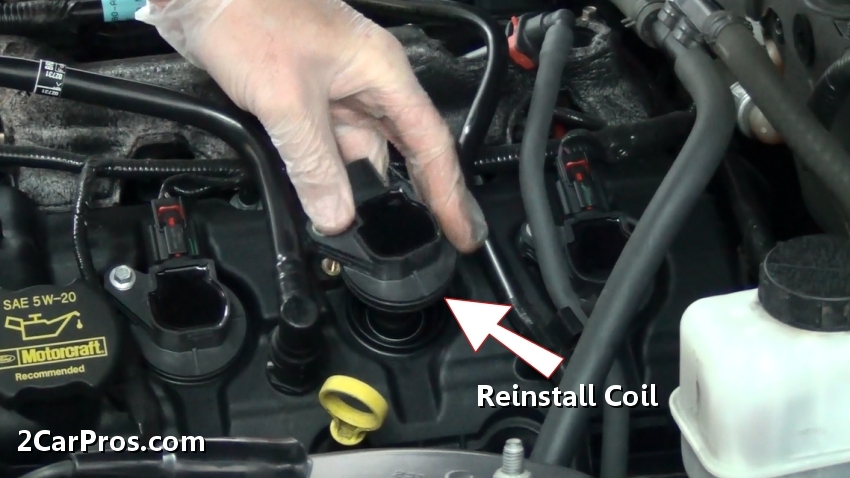
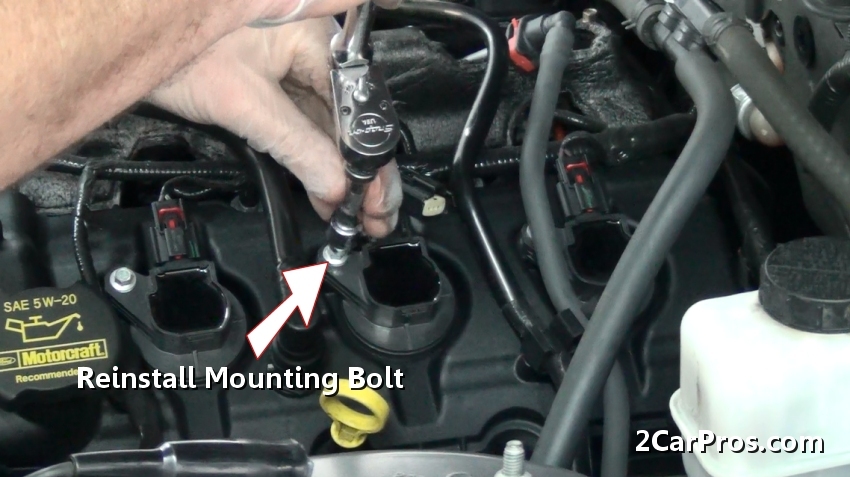
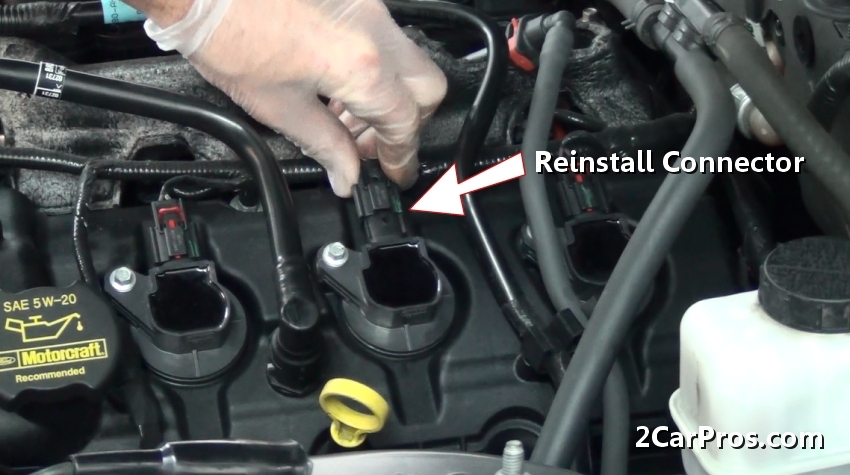
- Step 4 - In this step remove the plug wire or ignition
coil wire to gain access to the end of the plug wire, coil wire or coil over
spark plug boot depending on a particular ignition system configuration. Ground
the test light lead to a known ground source like the negative battery terminal,
insert the probe end of the test light into the end of the boot creating about
an 3/4 inch gap between the probe and the terminal inside the boot. Position
the boot and test light combination for clear observation and away from rotation
accessories. While observing the boot/test light probe gap have a helper crank
the engine over (keep hands and clothing away from rotating accessories). There
should be a bright blue electrical spark between the spark plug/coil wire/coil
terminal and the test light probe. To observe this procedure performed live
watch this
how to test an ignition system video below:
Get the Free Flash
Player to see this video.
If your are
testing the system for a cylinder misfire continue this test for the remaining
cylinders, look for good spark quality if there is no spark present on a particular
cylinder inspect the plug wire, cap and rotor or individual ignition coil if
corrosion is present on any part of the terminals or wires replace the component
and re-test. If the coil has no electrical discharge output continue to
Step 6, if electrical discharge is present at the coil wire
and not the plug wires continue to Step 5
- Step 5 - If your car is designed with a distributor
that has a cap
and rotor remove the distributor cap and inspect the rotor. The ignition rotor
transfers high voltage to the plug wires and then the spark plugs and can short
circuit to the distributor main shaft causing the spark to enter the distributor
but not exit. Remove the ignition rotor and check for burn or ash marks on the
underside of the rotor. Also inspect the coil wire and distributor cap terminals
for corrosion, look for any burn or ash marks on the wire or terminals. Replace
any damaged, burned or corrected components with new or quality used parts and
retest system.
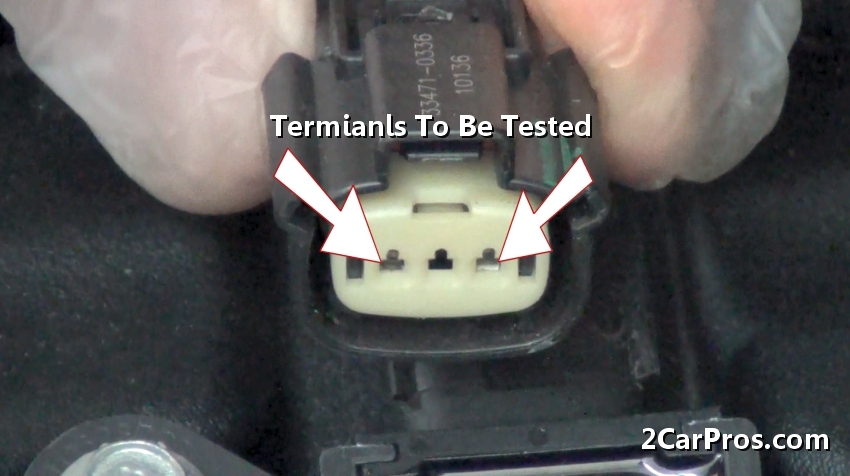
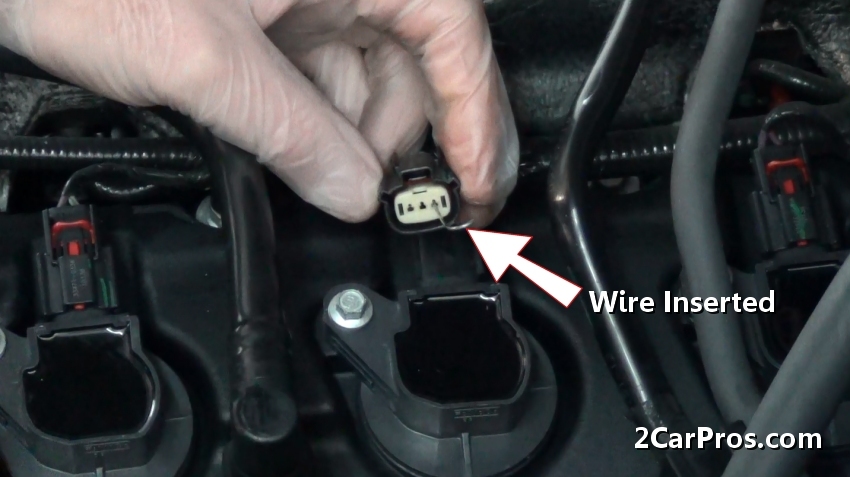
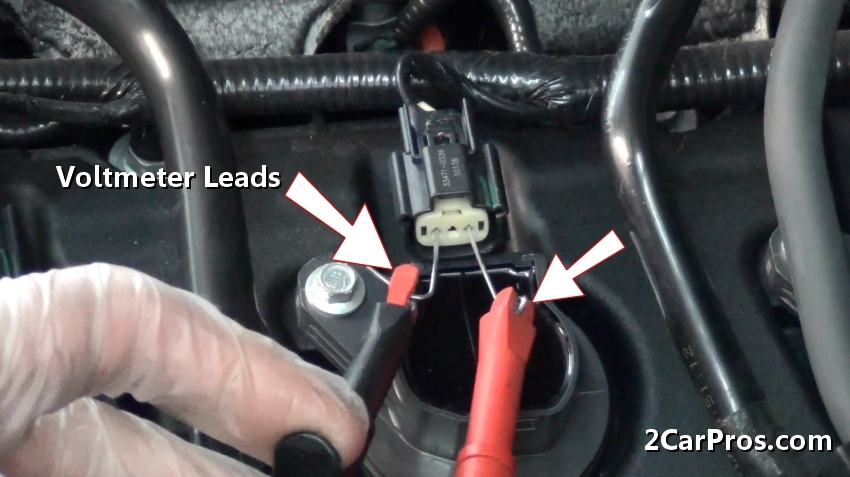
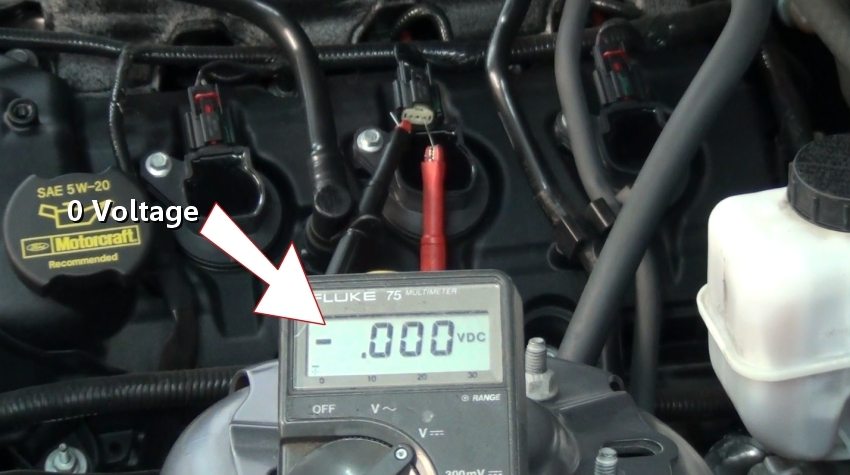
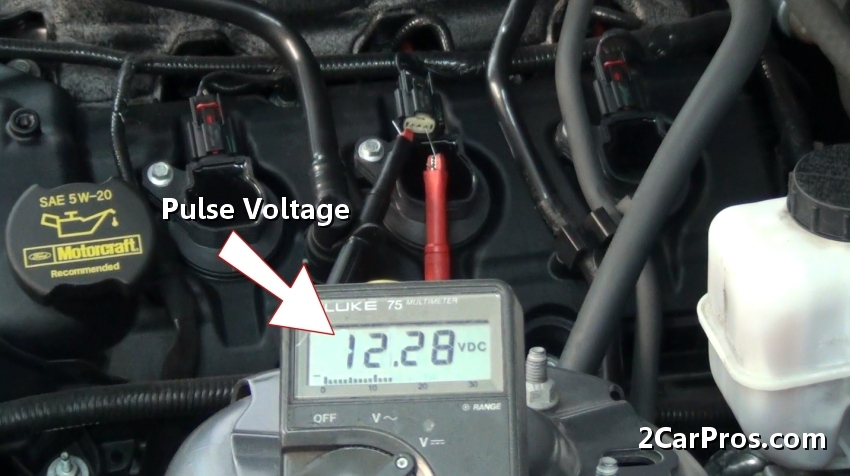
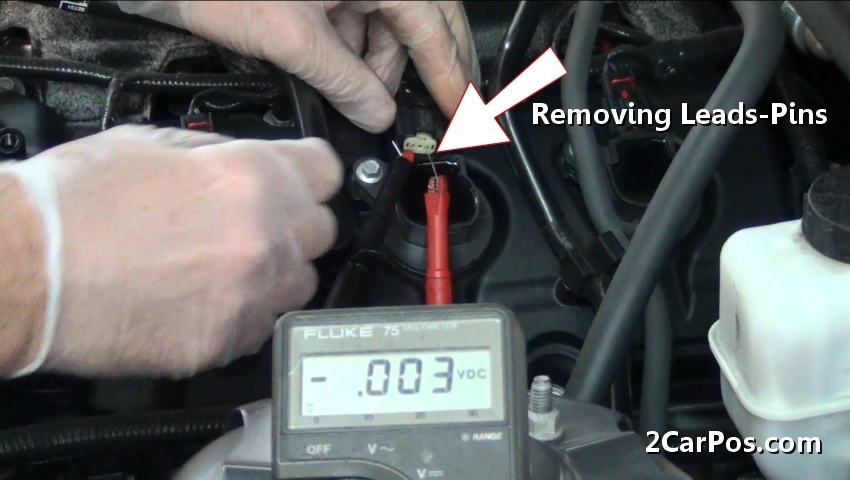
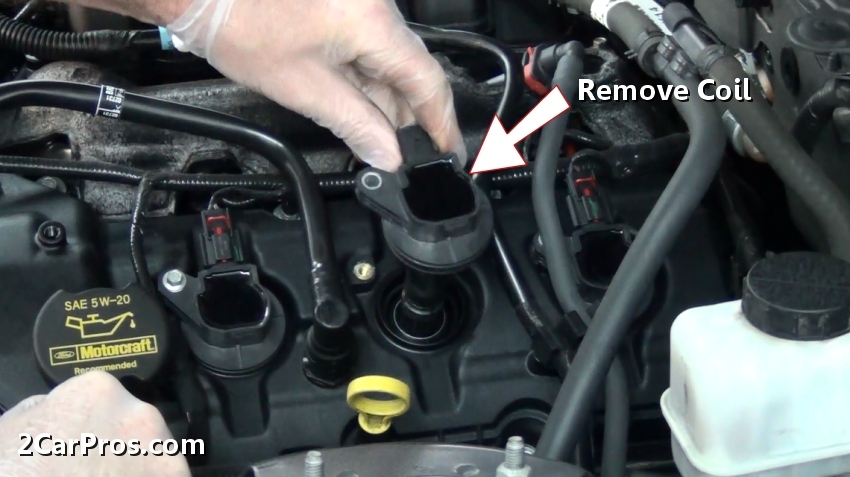
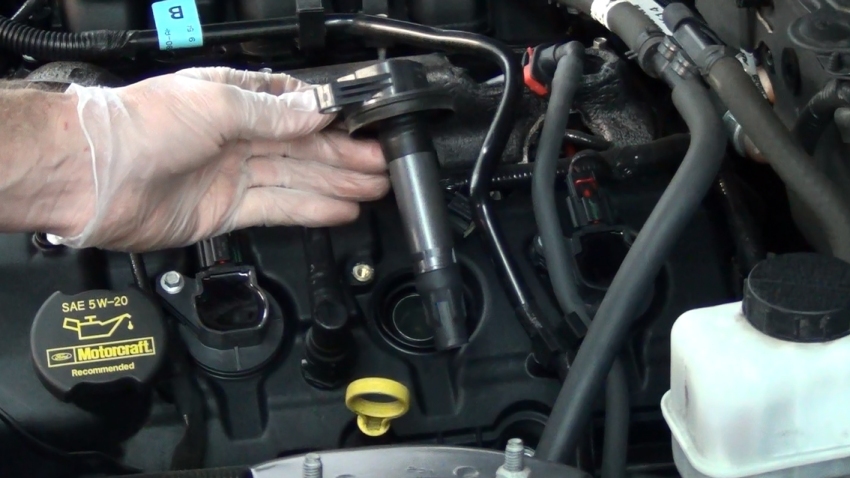
- Step 6 - This next test will tell us if the primary ignition
system is supplying an electrical trigger pulse to the
ignition coil. To test the ignition trigger pulse remove the small wires
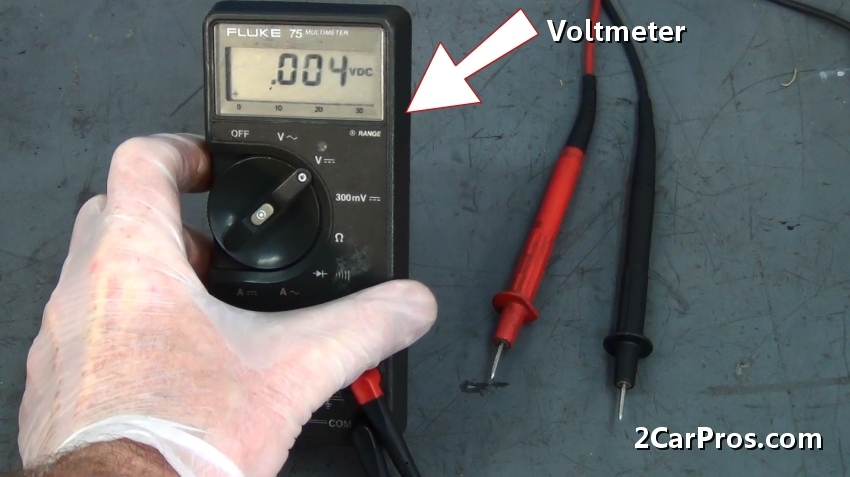
from the coil. Using a
voltage multimeter connect the leads to both wires and set the multi meter
to DC voltage. Next have a helper crank to engine over and observe the voltmeter,
if the meter jumps from 12 volts and then to zero in rapid succession the trigger
system is working properly. Next check the ignition coil for corrosion if no
corrosion exists use the
voltage multimeter to test the coil primary and secondary circuits for
continuity and resistance. This testing procedure will work for most automotive
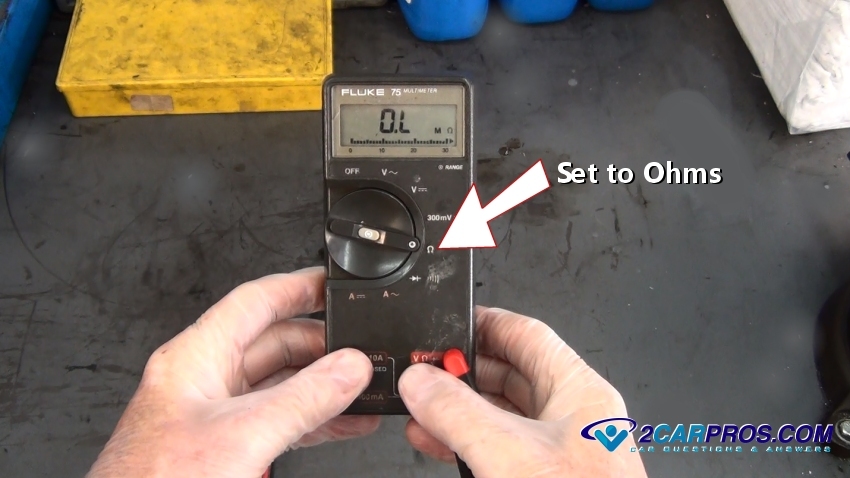
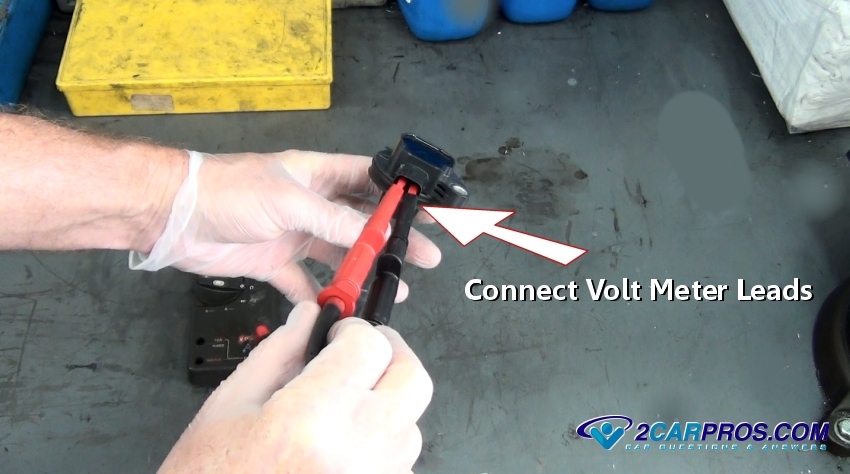
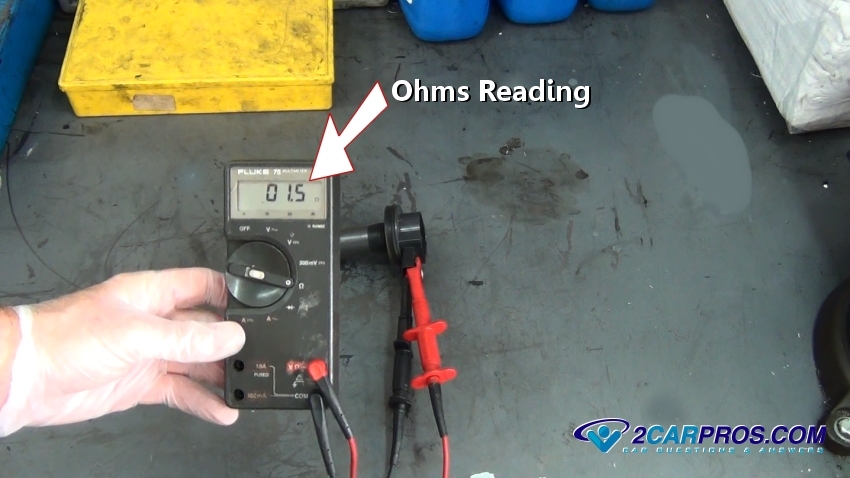
coils. With all wires disconnected from the coil,
use a multimeter switched to ohms and check the resistance between the
small side terminals of the coil. You should get a reading of 0.75 to 0.81 ohms
of resistance. Then check the resistance between on either side terminal and
the center high output terminal. The ohms reading should be about 10,000 to
11,000 ohms. Any significant deviation from these numbers would indicate the
coil is shorted and needs to be replaced. If there is no primary ignition trigger
output proceed to next step.
- Step 7 - If the ignition coil has no trigger pulse input
the primary ignition system has failed. This system contains a crankshaft position
sensor (CKP), camshaft position sensor (CAS) which is a low voltage generating
system (1.5 to 3.0 volts) and is then amplified to 12 volts by using a ignition
module (amplifier) and then transferred to the primary side of the ignition
coil. The
ECM (engine
control module) controls the engine ignition timing by advancing and retarding
the primary trigger signal to the ignition module. You might say " if the crankshaft
position sensor (CKP), camshaft position sensor (CAS) has failed wont it produce
a diagnostic trouble code?" the answer is "not always" this is because some
computer systems think the starter has failed or you have left the car in a
drive gear or the clutch not depressed completely, not allowing the engine to
crank over. In this case the computer just thinks the engine is not cranking
over, even though it is. First turn the key to the on position, with the ignition
coil connected to its wiring. Then, using a
test light
or a voltage
multimeter ground one side of the test light or meter and test the coil
terminals, there should be power on both side of the coil. If the coil doesn't
have power locate the main computer system control relay and replace it with
a new unit and re-test. If 12 volts is present continue to the next step.
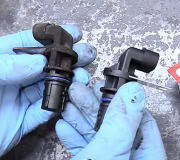
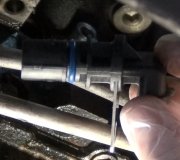
- Step 8 - Locate the crankshaft position sensor (CKP) and
camshaft position sensor (CAS) (note: if your engine is designed with a
distributor sometimes the CAS is inside the distributor housing) disconnect the wiring connector to probe
the connector, there are three wires on most of these sensors so three tests
are needed. Set your
multimeter to ac voltage and probe any two wires on the sensor side, have
a helper crank the engine over you should observe the
multimeter jumping between 0 and 2.5 volts on two of the three combinations.
Continue testing until three pairs of wires are complete. (i.e.: right outer
and center, left outer and center and right and left wires) if no pulse is present
remove the sensor and observe inside the mounting port with a flash light. While
looking inside the port have a help crank the engine over, you should see a
small hole or magnet used to trigger the sensor, if this trigger is present
replace the sensor. Perform this test for both sensors if equipped, If the sensors
test ok suspect the ignition module (amplifier) or
ECM.
(note: try disconnecting various sensors like oxygen and coolant temperature
and retest, sometimes a sensor can short circuit locking up the
ECM-engine
control module. If ignition pulse is restored plug sensor in one at a time
until ignition pulse is lost, replace that sensor with new and reassemble.)
Related Inspections
Engine
cranks but wont start - For an
engine
to run, you need three things to happen inside the engine,
compression,
fuel and
ignition, without any one of these components the engine will not run.
Rapid clicking sound when cranking - The starter is designed to operate
on a high amperage 12 volt system, when a starter is subjected to low voltage or
amperage (flow) it will cause the starter to engage and disengage rapidly producing
the rapid clicking sound. To fix this problem a battery inspection or replacement
is needed. There are two reasons that a battery will not perform as it should, either
the alternator has failed allowing the batteries state of charge to become weak
or the battery has failed and replacement is required. Unfortunately to check the
alternator the engine must be running, so you must either jump start your car or
replace the battery to
check the charging
system. If the alternator output test is ok then the battery is bad and must
be replaced. If while driving the charge light indicator on the dash was not illuminated
and the battery is more than three years old the battery has probably failed.
Engine stalls at idle - At idle your engine produces the least amount of
emissions than in any other time it is operation. Engine idle is necessary for proper
vehicle operation, it allows the engine to operate at the lowest RPM level possible
without your foot on the gas peddle. Before we start we need to know one of
two things, is the engine running poorly causing the engine to stall at idle or
is the engine running fine and it's just the idle condition that is the problem.
If you would like to add to this page and you are a technician please do so below,
your input will be reviewed and installed on this page. If you would like to ask
a question please do so here "ask a car
repair question"
How Do I Repair My Car?
/
How to Test an Ignition System
Check Manufacturer Specific Engine Ignition
System Questions and Answers
Related Subjects
ASK A CAR IGNITION QUESTION
- Join our question and answer forum where over 6,000 free auto repair questions
are answered every month, after you have completed our free signup you will able
to ask a question and receive an answer from one of our many forum members. If you
elect to donate any small amount of money we will assign one of our 2CarPros Certified
Repair Technicians to answer your question. Questions with donations are answered
promptly and 100% of the donation is awarded to the technician helping you.
GET AN ONLINE
CAR REPAIR MANUAL
- Get instant access to your vehicles wiring diagrams, firing
orders, component locator, vacuum diagrams, repair procedures, specific testing
and diagnostics for trouble shooting, steering and suspension information,
heating and air-conditioning problems, safety belt and airbag restraint repair,
factory bulletins and general information and much more. We
recommend that anyone needing technical repair information should have a quality auto
repair manual for their car.
|