2000 Dodge Durango Repair Question
With 4.7 "distributor less" will not start any ideas?
Answer
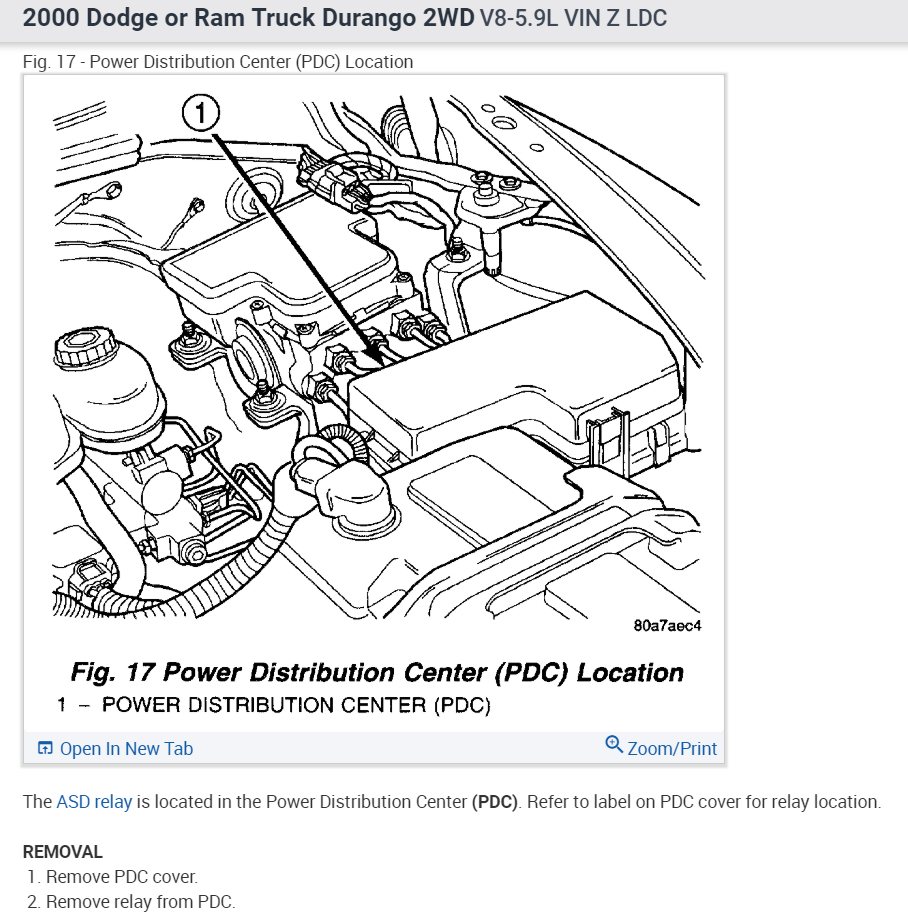
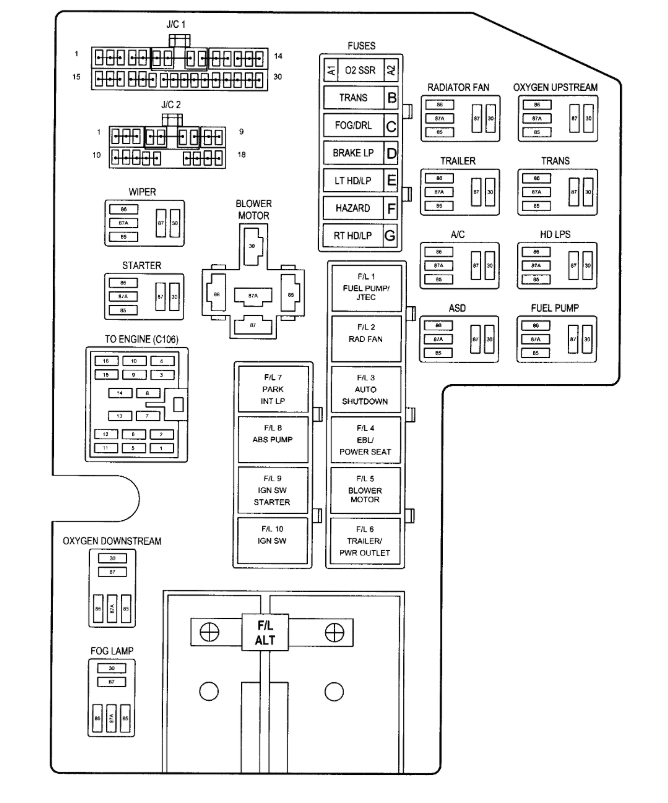
Absolutely the cam sensor will keep the engine from starting, but you got sidetracked on a couple of issues. First of all, Chrysler is very good about storing a diagnostic fault code whenever the Check Engine light turns on. You lost that valuable information when you disconnected the Engine Computer to replace it. Second, you know eight ignition coils didn't all fail at once from sitting overnight so checking them was a waste of time. Third, you can't get a 24 volt reading when the vehicle runs on a 12 volt battery. When I get readings like that, it's from the digital meter picking up and trying to analyze voltage pulses or spikes. And finally, you have to measure for voltage to any ignition coil or injector while cranking the engine. Voltage will only appear there for one second after turning on the ignition switch, then it must come back during engine rotation, (cranking or running). That one second is when you'll hear the hum of the fuel pump. Since you're hearing that, you know the automatic shutdown (ASD) relay is working and the computer has control of it.
Also, "looking" at a sensor doesn't mean anything. On older vehicles both the camshaft position sensor and crankshaft position sensor signals were needed for the computer to turn on the ASD relay. On later models, and I suspect on yours, the engine will run on just one of those sensors once it's already running, but it won't START on just one because the computer doesn't know which coil to fire first. The Check Engine light told you a fault code was set that would have indicated which signal was missing.
What I would recommend now is to find a mechanic with the Chrysler DRB3 scanner so you can see which signal is missing, then check the voltage to that sensor. Many independent mechanics use the Chrysler scanner because it will work on other brands of cars '96 and newer. Other scanners might display the same information. You're looking for the cam and crank sensors, and during engine cranking, they'll be displayed as "No" or "present". About half the time a missing signal is due to a defective sensor. The other half of the causes include corroded or stretched connector pins, corroded splices, broken wires, and things like that.