Overdrive?

1991 FORD ESCORT
78,000 MILES • 4 CYL • FWD • AUTOMATIC
Avatar
09EMDOG
  • MEMBER
  • 35 POSTS
I have a 91 ford escort LX with a automatic transmission. I have recently learned that overdrive and drive sound the same, it doesn't seem to lower rpm's. There is no slippage or nothing otherwise, just a acceleration problem but i contribute that to a leaking or bad injector (put new gaskets and top covers on injectors and one was clogged didn't think much of it)
Mar 4, 2011 at 8:59 AM

Advertisement
Avatar
MHPAUTOS
  • CAR REPAIR CONTRIBUTOR
  • 31,937 POSTS
Start with a scan and see if there are any set transmission codes, not all codes will set a MIL, let me know what if any codes are set, start here.

mark (mhpautos)
Mar 4, 2011 at 9:05 AM
Avatar
09EMDOG
  • MEMBER
  • 35 POSTS
i have a throttle position sensor out of range. But i had just replaced this part i reset computer and it still come up with this. Could i need to replace the connector? or can i take the sensor and have it tested at a auto parts store?
Mar 4, 2011 at 5:45 PM
Avatar
MHPAUTOS
  • CAR REPAIR CONTRIBUTOR
  • 31,937 POSTS
Is the sensor adjustable? that is can it be rotated in its housing, if so go find a mechanic who can calibrate the sensor to actual throttle position first.

Mark (mhpautos)
Mar 4, 2011 at 9:37 PM
Avatar
09EMDOG
  • MEMBER
  • 35 POSTS
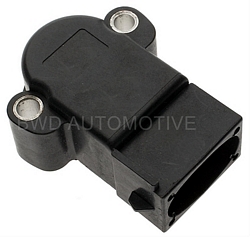
I don't think so, but there is a photo. Otherwise would this be the reason why it doesn't seem to have a difference in overdrive? I have heard on other cars it might be the computer, but i really dont know if i want to spend that amount of money on a maybe. Is there a way to test the computer.
Mar 5, 2011 at 5:26 AM
Avatar
MHPAUTOS
  • CAR REPAIR CONTRIBUTOR
  • 31,937 POSTS
That is not an adjustable type TPI, go to one of the larger parts stores, they often do free scans, just make sure that they do a transmission scan, let me know what they find.

mark (mhpautos)
Mar 5, 2011 at 11:06 AM
Repair Safety Notice: This information is for general instructional purposes only. Vehicle repair can be dangerous. Verify all information, follow manufacturer service procedures, use proper tools and safety equipment, and consult a qualified repair shop when needed.